Flying long haul with a baby may seem overwhelming, but it can be much easier with the right preparation. Planning ahead, choosing suitable flight times and packing thoughtfully can help keep your baby comfortable while making the journey less stressful for the whole family. Whether it is your first international trip or one of many, a few practical strategies can make a long flight far more manageable.
This guide walks you through everything from booking the best seats to packing the right essentials, so you can approach your next family flight with confidence rather than anxiety.
Overview: Quick Answers for Busy Parents
- Best time to fly: Choose overnight or nap time flights when possible to encourage longer sleep stretches
- Best seats: Bulkhead seats with a bassinet or a spare seat next to you for extra space
- Hand luggage must haves: Nappies, extra clothes, formula or snacks, a favourite toy and a portable charger
- Feeding: Time feeds around take-off and landing to help with ear pressure
- Sleep: Stick close to your baby’s usual sleep cues, even in the air
- Jet lag: Shift bedtime gradually a few days before departure and get outside in daylight once you land
How to Prepare for a Long-Haul Flight with a Baby?
Preparation is the single biggest factor in how smoothly your flight goes. Planning ahead reduces stress at the airport and makes it easier to deal with unexpected delays or changes.
- Check airline policies early. Every airline has different rules about infant fares, bassinets and luggage allowances for families. Confirm these before booking so there are no surprises at the airport.
- Book direct flights where possible. Fewer connections mean fewer chances for delays, missed naps and extra stress at security.
- Choose flight times around your baby’s routine. If your baby usually sleeps well at night, an overnight flight can work in your favour.
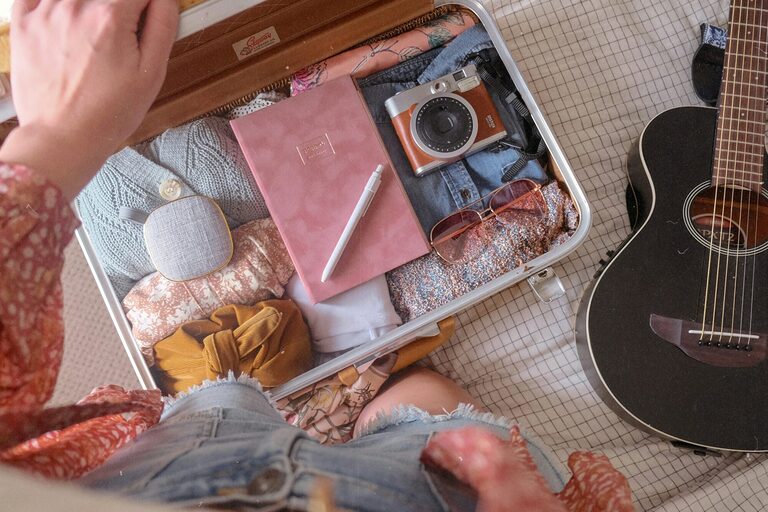
- Pack light but smart. Overpacking makes moving through airports harder, so focus on essentials and buy bulky items such as nappies at your destination if they are readily available.
A useful example comes from families travelling from Europe to Southeast Asia, a route that often takes 12 hours or more. Many parents on this route choose flights departing in the late evening so their baby’s usual bedtime lines up with the first few hours in the air, giving everyone a better chance of rest before arrival.
If you are planning more than just a flight, choosing age-appropriate activities can make the trip easier too, as young family adventure holidays can offer ideas for destinations and experiences that work well with children.
Best Seats for Families on Aeroplanes
Seat selection can make a real difference on a long-haul flight with kids, especially infants.
- Bulkhead seats. These are located right behind a wall or divider and usually offer a bassinet attachment for babies under a certain weight, along with extra legroom.
- Window and aisle combination. If a bassinet is not available, a window seat gives you a wall to lean your baby against, while an aisle seat nearby makes it easier to walk up and down with a fussy baby.
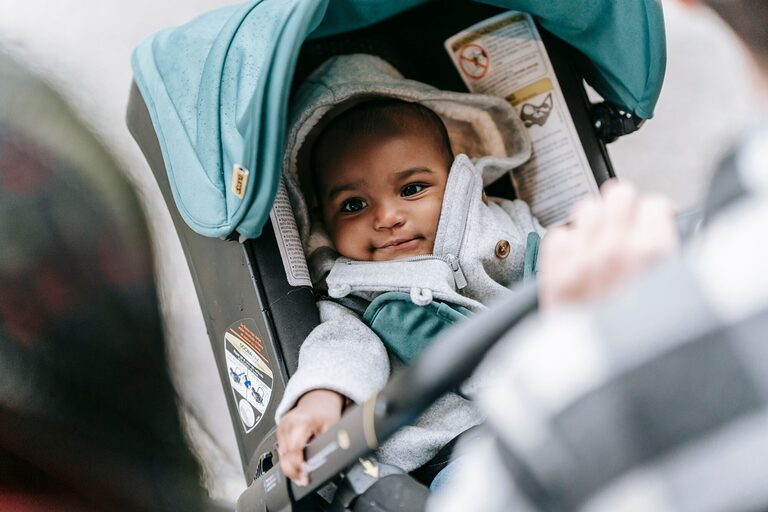
- Extra seat for the baby. Some families choose to buy a separate seat and bring a car seat on board, which gives a familiar, secure space for the baby to sleep.
- Avoid the very back rows. These seats are often close to toilets and galley areas, which means more noise and less space to settle a baby.
When booking, contact the airline directly to request bassinet seats, since these are limited and given on a first come basis. Booking early significantly increases your chances of securing one.
Baby Sleep Tips During Flights
Getting a baby to sleep on a plane involves recreating familiar sleep cues within an unfamiliar setting.
- Bring a small comfort item, such as a blanket or soft toy that smells like home
- Dress your baby in familiar sleepwear rather than new outfits, since new fabrics can feel unfamiliar against the skin
- Use white noise. Many parents find that a phone app playing gentle white noise helps block out cabin sounds
- Keep the sleeping area as calm and dark as possible. A muslin cloth over the bassinet, where permitted by the airline and safe to do so, can help signal bedtime.
- Follow your normal bedtime routine as closely as possible, even if it means singing the same lullaby or reading the same short book you use at home
One tip shared by many parents flying with infants across the Pacific is to keep the overhead light off and screens away from the baby’s line of sight during the designated sleep window, which helps avoid overstimulation before rest.
What to Pack in Your Hand Luggage?
A well packed bag is one of the most important baby travel essentials for a long flight. Consider bringing:
- Nappies, wipes and a portable changing mat
- At least two extra changes of clothes for the baby and one for yourself
- Formula, milk or snacks depending on your baby’s age
- A collapsible bottle or sippy cup
- A lightweight baby carrier for moving through the airport hands free
- A few small toys or books that are new to your baby, as new activities often keep babies interested for longer
- Any medication your baby regularly needs, along with a basic first aid kit
- A portable charger for your phone, which may become useful for entertainment or essential travel information
Keep this bag within easy reach under the seat in front of you rather than in the overhead bin, so you are not scrambling for essentials mid-flight. It is also worth planning for the airport itself, and these airport hacks for modern families can help make check-in, security and getting to the gate more manageable with a baby.
Feeding and Changing on the Plane
Feeding your baby during take-off and landing can help relieve ear discomfort because swallowing helps equalise pressure. Beyond that, keep these practical tips in mind.
- Ask cabin crew for warm water if you need to prepare formula, most airlines are happy to help
- Bring pre-measured formula portions in small containers to save time
- Use the aeroplane bathroom changing table where available or ask crew about alternative changing spaces on longer aircraft
- Pack scent disposal bags for used nappies, since bins in aeroplane toilets are often small
If breastfeeding, a lightweight nursing cover or scarf can offer some privacy in a tight cabin space, though most airlines are supportive of parents feeding wherever they are seated.
Managing Jet Lag with Babies
Jet lag affects babies just as it affects adults, though babies cannot explain how they are feeling, which can make the days after arrival tricky.
- Adjust bedtime gradually before you leave, shifting it by 15 to 20 minutes each day toward the destination time zone
- Spend time outdoors in natural daylight as soon as possible after arrival because sunlight helps reset the body clock.
- Keep the first day or two low key, avoiding long excursions while your baby adjusts
- Be patient with naps, since your baby’s sleep schedule may take three to five days to settle into the new time zone
Families travelling internationally with babies often find that a short, calm first day, followed by consistent outdoor time each morning, helps everyone settle into the new time zone more quickly.
Comparison: Bassinet Seat vs Extra Seat with Car Seat
| Feature | Bassinet Seat | Extra Seat with Car Seat |
| Comfort | Best for babies under approximately 6 months or within the airline’s weight limit | Familiar and secure for babies of any age |
| Availability | Limited, must be requested early | Guaranteed once booked |
| Space | Frees up your lap and arms | Takes up more cabin space |
| Best for | Shorter or overnight flights | Long haul flights over 10 hours |
Frequently Asked Questions
Many parents find flying easiest between two and six months, before babies become highly mobile, although babies of any age can travel safely with the right preparation.
As soon as your ticket is confirmed. Bassinet seats are limited on every flight and are allocated on a first come basis.
Feeding, offering a dummy or using a bottle during take-off and landing usually helps reduce ear discomfort caused by pressure changes.
This varies by airline, so check before you travel. Many airlines allow an infant stroller and car seat to be checked free of charge in addition to the standard baggage allowance.