A wildlife holiday can inspire children in ways few other trips can. From spotting lions on safari to watching sea turtles in their natural habitat, these experiences encourage curiosity, teach respect for nature and create lasting family memories. Choosing the right destination and ethical wildlife experiences helps ensure the adventure is enjoyable, educational and safe for everyone.
Overview: Quick Answers for Busy Parents
- Best age to start: Most children enjoy wildlife trips from around four years old, though shorter outings work for toddlers too
- Top family friendly destinations: Kenya, South Africa, Costa Rica, Australia and the Galapagos Islands all offer strong options for kid friendly safaris
- Ethical rule of thumb: Avoid any activity where animals are made to perform, pose for photos or are handled outside of genuine rescue and rehabilitation work
- Trip length: Three to five days is usually enough for a first wildlife holiday with young children
- Preparation tip: Read a few animal books or watch nature documentaries together before you travel so the trip feels familiar rather than overwhelming
Best Wildlife Destinations for Families
Some destinations are simply better suited to family wildlife holidays, offering easier travel with children and excellent opportunities to see animals responsibly.
Kenya and Tanzania remain classic choices for family safari holidays. Many lodges in the Maasai Mara and Serengeti now offer family tents, junior ranger programmes and shorter game drives suited to children’s shorter attention spans.
South Africa is a strong option for families taking their first safari because it combines malaria free reserves, such as parts of the Eastern Cape, with excellent healthcare and easy flight connections.
Costa Rica offers a gentler introduction to wildlife travel. Families can spot sloths, toucans and monkeys from national park boardwalks without long game drives, which suits younger children who struggle to sit still.
Australia combines wildlife sanctuaries with beach time, making it easy to balance animal encounters with downtime by the water.
The Galápagos Islands are ideal for slightly older children who are curious about nature and conservation, since animals here have little fear of humans and can be observed calmly at close range.
Wildlife trips can also be part of a wider family adventure, and these young family adventure holidays offer ideas for destinations and activities that balance exciting experiences with time for children to rest.
Family Safari Holidays with Kids
A proper safari can feel intimidating for parents booking with young children, but many lodges have adapted well to this market. Wildlife holidays can become expensive once accommodation, guides and activities are added up, so these budget family travel tips can help families make practical savings when planning the trip.
Look for these features when booking a family-friendly safari:
- Family units or connecting rooms rather than single tents
- Shorter game drives of two hours rather than the standard four
- Guides trained to explain animal behaviour in simple language
- Swimming pools or play areas for downtime between drives
- Flexible meal times that suit younger appetites
Ethical Animal Tourism Tips
Ethical animal experiences for kids matter not only for animal welfare but also for the values children learn during the trip. A few simple checks can help you avoid harmful operators.
Avoid attractions that allow:
- Riding elephants or other wild animals
- Photo opportunities involving holding or petting wild predators
- Performances where animals do unnatural tricks
- Close contact with baby animals separated from their mothers
Instead, look for reputable sanctuaries, national parks and marine reserves that focus on observation and education rather than physical contact. Many genuine wildlife rescue centres allow visitors to watch feeding or rehabilitation from a safe distance, which still gives children a meaningful insight into conservation.
Marine Wildlife Experiences for Children
Marine life often captures children’s imagination just as strongly as land animals. Snorkelling trips to see turtles, whale watching boat tours and visits to responsible aquariums are all popular choices.
When planning marine wildlife experiences for children, keep these points in mind.
- Choose boat operators that keep a respectful distance from whales and dolphins rather than chasing them for a closer view
- Check that snorkelling guides brief children on not touching coral or marine life
- Look for aquariums that focus on rescue and research rather than performance shows
- Pack reef safe sunscreen to protect both your child’s skin and the ocean environment
How to Prepare Kids for Wildlife Trips?
A little preparation goes a long way towards a smooth trip. Try these steps before you leave home.
- Read age-appropriate books or watch documentaries about the animals you will see
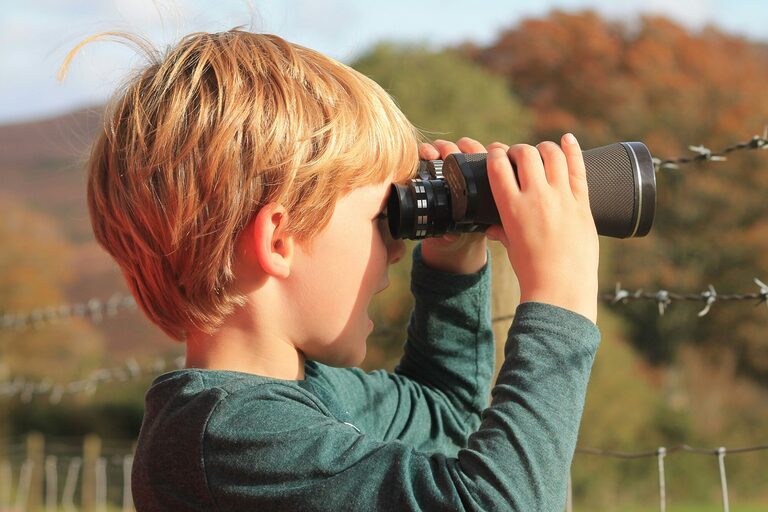
- Pack a simple pair of binoculars sized for small hands
- Bring a nature journal or checklist so children can tick off animals they spot
- Talk through basic safety rules in advance, such as staying quiet during game drives
- Set realistic expectations that some animals may be far away or hidden, since wildlife sightings are never guaranteed
Children who understand what to expect tend to stay calmer and more engaged, which makes the whole trip easier for parents too.
Family Travel Safety Around Animals
Safety should always come first on any wildlife holiday. A few core rules apply almost everywhere.
- Always keep children within arm’s reach during game drives or park walks
- Never allow children to feed wild animals, even ones that seem tame
- Follow your guide’s instructions immediately, especially around larger animals
- Keep a safe distance for photographs rather than approaching animals for a better shot
- Carry basic first aid supplies and know the location of the nearest medical facility
Guides are trained professionals and their instructions exist for good reason, even if a rule seems overly cautious in the moment.
Comparing Popular Family Wildlife Destinations
| Destination | Best For | Malaria Risk |
| Kenya | Classic safari experience | Yes, in most areas |
| South Africa | First time safari families | Low in many reserves |
| Costa Rica | Gentle wildlife walks | Low |
| Australia | Beach and wildlife combined | None |
| Galápagos Islands | Close up marine and land species | None |
Frequently Asked Questions
Most guides recommend children be at least four years old, since younger toddlers may struggle with long drives and quiet observation periods.
Most guides recommend children be at least four years old, since younger toddlers may struggle with long drives and quiet observation periods.
Yes, when you choose reputable operators, follow guide instructions and keep children close during any animal encounter.
Three to five days is usually enough to enjoy a range of animal experiences for kids without exhausting younger travellers.
This depends on the destination. Check with a travel health clinic several weeks before departure, since some vaccinations need time to take effect.
Yes, many families pair a few days of safari with a beach stay afterwards, which gives children time to rest and process everything they have seen.