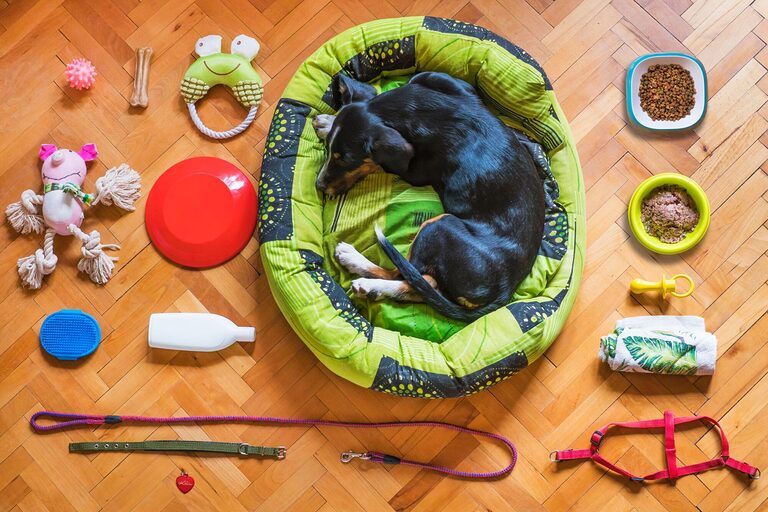
Travelling with your dog or cat should be exciting, not a last-minute scramble because you cannot find an important document or realise you forgot your pet’s medication. Whether you are heading away for a weekend break, a family road trip or an international flight, having a complete pet travel essentials checklist helps you avoid unnecessary stress and keeps your pet safe, comfortable and happy from departure to arrival.
This guide covers everything you need to pack, from food and travel documents to first aid supplies and comfort items. You will also find practical travel hacks that make journeys smoother, helping you stay organised no matter where your next adventure takes you.
Overview: Quick Pet Travel Checklist
If you only have a few minutes to prepare, here are the must-have items for pet travel:
- Food, treats and bottled or filtered water for the entire trip plus at least one extra day’s supply in case of delays
- Collapsible food and water bowls
- Leash, harness and a backup collar with ID tags
- Updated vaccination records and health certificate (especially for flights)
- Microchip details and a recent photo of your pet
- Pet first aid kit travel bag with basics like gauze, tweezers and antiseptic wipes
- Comfort item such as a blanket or toy that smells like home
- Waste bags and a small trowel for camping trips
- Medication, if your pet takes any, with clear dosage instructions
- A secure carrier or crate that meets airline or car safety standards
Keep this list handy on your phone or print it out. It covers the basics for both short trips and long journeys and you can build on it depending on how you are travelling.
Essential Travel Items for Pets
Every pet travel kit should start with the basics. These are the non-negotiable items that go on every trip, no matter the distance:
- Carrier or crate: choose one that is well-ventilated, sturdy and the right size for your pet to stand, turn and lie down comfortably
- Leash and harness: a harness is safer than a collar alone, since it reduces the chance of your pet slipping out during a startled moment
- ID tags and microchip check: make sure the microchip details are current, especially if you have moved house recently
- Poop bags or a portable litter tray: useful for both dogs and cats, particularly during layovers or rest stops
- Travel bowls: collapsible silicone bowls save space and are easy to clean on the go
A practical tip from experienced travellers is to attach a small luggage tag to the carrier with your phone number and destination address. If your pet ever gets separated from you, this small step can make reunions much faster.
Attach a “Live Animal” label and your contact details to the carrier if flying internationally, even when your pet is travelling in the cabin. This makes identification easier during inspections or unexpected delays.
Food and Water Packing Tips
Sudden changes in food or water can upset a pet’s stomach, which is the last thing you want during travel. Here is how to pack smart:
- Bring enough of your pet’s usual food for the whole trip, plus two to three extra days in case of delays
- Use resealable bags or small containers to portion meals in advance
- Pack bottled water from home for the first day or two, since a sudden change in water source can cause digestive issues
- Freeze a small portion of water in a travel bowl or use a frozen water bottle, so it melts gradually during the journey and reduces spills
- Avoid feeding a large meal right before travel, particularly for pets prone to motion sickness
For road trips, a cooler bag works well for wet food or fresh treats. For flights, check with your airline about food restrictions, since some countries have strict rules on bringing in animal products.
Travel hack: Pack a few familiar treats in your day bag rather than your checked luggage. They can be useful for rewarding calm behaviour during security checks, rest stops or after boarding.
Travel Documents and Identification
This is one of the most overlooked parts of any pet travel essentials checklist, yet it is one of the most important. Missing paperwork can mean your pet is denied boarding or even quarantined.
- Updated vaccination certificate, particularly for rabies
- Health certificate issued by a vet, when required by the airline or destination country. Validity periods vary, so always check the latest requirements before travelling.
- Pet passport, if travelling within regions that use one, such as the EU
- Import permits, if required by your destination country
- A recent, clear photo of your pet in case of an emergency
- Copies of all documents stored digitally, such as in your phone and cloud storage, as a backup
- Save your destination country’s emergency veterinary contact details before you leave home in case you need urgent assistance.
Always double check entry requirements a few weeks before departure, since rules can change often and vary widely between countries. Some destinations, such as Australia or the UK, have particularly strict pet entry processes that can take months to arrange.
Health and First Aid Essentials
A basic pet first aid kit travel bag is something every owner should carry, even on short trips. Accidents and minor injuries can happen anywhere.
- Gauze pads and adhesive tape
- Tweezers for removing splinters or ticks
- Antiseptic wipes or spray
- A digital thermometer made for pets
- Any regular medication, clearly labelled with dosage
- Motion sickness medication, if recommended by your vet
- A copy of your vet’s contact number and an emergency vet locator app
- Tick removal tool if travelling to woodland or countryside destinations
- Saline solution for gently flushing dirt from eyes or minor wounds
If your pet has a chronic condition, pack a few extra days of medication in case your return trip is delayed. It is also wise to research the nearest emergency and daytime veterinary clinics near your destination before you arrive, so you are not searching in a panic if something goes wrong.
Comfort Items for Anxious Pets
Travel can be overwhelming for pets, especially cats or dogs who are not used to cars, planes or unfamiliar places. Comfort items can make a real difference.
- A blanket or piece of clothing that smells like home
- A favourite toy or chew
- Calming pheromone spray or wipes, available at many pet shops for around 15 to 25 US dollars
- A thundershirt or anxiety wrap for pets prone to stress
- Soft background noise, such as calming music playlists made for pets, which many owners play through a phone during car rides
One real world example many travellers share is bringing an unwashed t-shirt worn by their owner. The familiar scent can help settle a nervous pet faster than shop-bought calming products alone.
Travel hack: If your pet becomes anxious in unfamiliar hotel rooms, unpack their blanket and favourite toy before your own luggage. Familiar scents help many pets settle more quickly.
Packing for Different Types of Transport
| Transport Type | Key Extra Items | Practical Tip |
| Flights | Airline-approved carrier, health certificate, sedative only if vet approved | Book direct flights when possible to reduce stress, minimise handling and lower the chance of delays or missed connections |
| Car or road trip | Seat belt harness, window shade, spill-proof bowls | Stop every two to three hours where it is safe to do so for toilet breaks, water and stretching |
| Train travel | Compact carrier, quiet toys | Check if pets are only allowed in certain carriages Keep your pet close to your seat and avoid busy carriage doors where there is constant foot traffic. |
| Ferry or boat | Life vest for dogs, non-slip mat | Keep pets leashed at all times on open decks Check in advance whether your ferry offers pet-friendly cabins, as these often sell out well before departure. |
Checklist for Short Versus Long Trips
Short trips (under three days)
- Food and water for the trip duration
- Leash, bowls and waste bags
- Basic first aid kit
- ID tags and one comfort item
Long trips (four days or more)
- Extra food, at least two to three days worth
- Full first aid kit and medication supply
- Grooming tools if needed
- Copies of documents and vet contacts at destination
- A backup leash or harness in case one gets damaged
- A small pack of pet-safe cleaning wipes for muddy paws or accidents
Common Packing Mistakes to Avoid
- Forgetting to check destination pet entry rules until the last minute
- Packing food in large bulk containers instead of portioned bags, which wastes space
- Skipping a trial run with the carrier before the actual trip
- Not bringing enough water for long car rides
- Leaving out a comfort item, assuming the pet will simply adjust
- Forgetting to update microchip information before travelling
- Forgetting to recharge GPS pet trackers or replace their batteries before leaving
- Leaving medication in checked luggage instead of keeping it in your hand luggage or day bag
A simple hack many pet owners use is a hanging travel organiser bag made for pets. It keeps food, medication and grooming tools separated and easy to grab without digging through luggage.
Frequently Asked Questions
Food, water, bowls, a leash, waste bags, a first aid kit, comfort items and a secure way to restrain your pet in the car, such as a harness or crate.
It depends on the country and airline. Some domestic flights require one, while road trips within the same country usually do not, though it is still sensible to carry vaccination records and your vet’s contact details.
At least one to three months before international travel if permits or blood tests may be required, since some destinations have lengthy preparation periods.
Extra medication and updated ID tags are the most commonly forgotten items, based on feedback from frequent pet travellers.
Only under a vet’s guidance. Many airlines actually discourage sedation, since it can affect breathing at altitude.