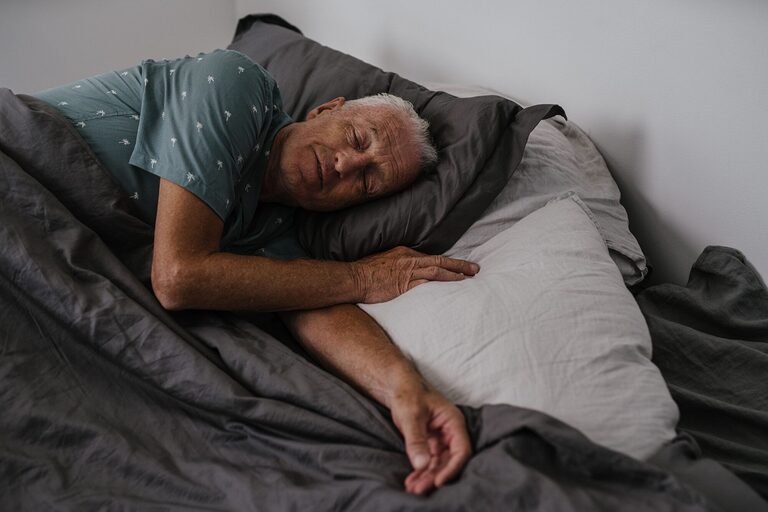
If you are wondering how to prevent jet lag in older age, you are certainly not alone. For older adults, jet lag is not just tiredness after a long flight. It can throw off sleep for days, drain your energy and quietly chip away at your enjoyment of the trip you have been looking forward to for months.
The good news is that with a little preparation before you leave home, you can significantly reduce how hard jet lag hits you and recover much faster once you arrive.
Quick Overview: What Seniors Need to Know About Jet Lag?
- Jet lag affects older travellers more severely because the body’s internal clock becomes less flexible with age.
- Sleep disruption, fatigue and digestive issues are the most common symptoms.
- Adjusting your sleep schedule a few days before departure helps considerably.
- Staying hydrated and eating light on travel days makes a noticeable difference.
- Getting natural light exposure at your destination speeds up recovery.
- Melatonin supplements (typically 0.5mg to 1mg) can support sleep adjustment but should be discussed with your doctor first.
Why Jet Lag Hits Seniors Harder?
If you have noticed that over 60 travel fatigue feels more intense than it did in your younger years, you are not imagining it. As we age, the body’s circadian rhythm, which is the internal clock that controls sleep and wakefulness, becomes less adaptable. It takes longer to shift to a new time zone and longer to bounce back once you arrive.
Older adults also tend to sleep more lightly and wake more frequently during the night, which means that even minor disruptions from a time zone change can feel significant. Add to that the physical toll of long-haul flights, including extended sitting, cabin pressure and recycled air and you have a combination that can leave even the most seasoned traveller feeling flat for the first few days.
Common jet lag symptoms in seniors include:
- Difficulty falling or staying asleep at night
- Daytime drowsiness that makes sightseeing feel like a chore
- Poor concentration and mild confusion
- Digestive discomfort and appetite changes
- Mood dips or irritability
Pre-Travel Sleep Adjustment Strategies
One of the most effective senior jet lag tips is to start shifting your sleep schedule before you even leave home. This does not need to be dramatic, but even a small change can help your body begin adapting in advance.
Travelling east (e.g., from the UK to Asia or Australia):
- Go to bed 30 to 60 minutes earlier each night for three to four nights before departure.
- Wake up earlier in the mornings to match.
Travelling west (e.g., from the UK to the USA or Canada):
- Stay up 30 to 60 minutes later each night for a few nights before you go.
- Sleep in slightly later the following morning.
Adjusting sleep time for seniors does not need to be a strict regime. Even shifting by just an hour or two before departure makes the transition noticeably smoother.
It also helps to book flights that arrive at your destination in the early evening where possible. This way, you can settle in, have a light meal and get to bed at a reasonable local time rather than landing at midnight or midday, both of which make adjustment harder.
Hydration and Nutrition Tips for Long-Haul Flights
Dehydration makes jet lag worse and the dry air inside aircraft cabins speeds up fluid loss significantly. This is one of the most overlooked long haul travel health tips, particularly for older travellers who may already need to monitor their fluid intake.
Hydration checklist for the flight:
- Aim to drink a glass of water every hour during the flight.
- Avoid alcohol on the plane as it disrupts sleep quality and increases dehydration.
- Limit caffeine intake, especially in the hours leading up to when you want to sleep.
- Bring an empty water bottle through security and fill it at the airport before boarding.
Nutrition tips:
- Eat lightly on travel days as heavy meals slow digestion and make fatigue worse.
- Choose protein-rich snacks such as nuts, boiled eggs or yoghurt to maintain steady energy.
- Avoid sugary snacks and fizzy drinks, which can spike and then crash your energy levels.
- If your airline offers meal timing choices, align them with mealtimes at your destination.
Light Exposure and Activity Planning After Arrival
Natural light is one of the most powerful signals your body uses to reset its internal clock. Getting the right light at the right time is a simple but highly effective tool for elderly sleep travel recovery.
Following broader safe travel tips for elderly tourists can also make long-haul journeys more comfortable by helping you manage fatigue, stay organised and reduce travel-related stress from the start.
If you have travelled east:
- Get outdoor light exposure in the morning at your destination.
- Avoid bright light in the early evening as it confuses your body into thinking it is still daytime.
If you have travelled west:
- Spend time outdoors in the afternoon and early evening at your destination.
- Morning light is less helpful in this direction of travel, so do not worry if you want to sleep in a little.
Even a gentle 20 to 30 minute walk in natural daylight after arrival can make a real difference. It also helps with circulation after a long flight, which is another common concern for older travellers.
Maintaining simple habits focused on staying fit while travelling in old age can further support recovery by improving circulation, reducing stiffness and helping your body adapt more smoothly to a new time zone.
Avoid planning intensive sightseeing or activities for your first day or two. Give your body time to adjust. Many experienced travellers build in a buffer day at their destination before starting their main itinerary.
Recovery Tips After You Arrive
The first 48 hours at your destination are the most important for recovery. Here is what genuinely helps:
- Resist the urge to nap for more than 20 minutes during the day. Long daytime naps push your adjustment back by resetting your body to home time.
- Get on local time immediately. Set your watch to destination time as soon as you board and try to eat and sleep according to local schedules.
- Use melatonin carefully. A low dose of 0.5mg to 1mg taken about 30 minutes before local bedtime can help nudge your body towards sleep. Always speak to your doctor before using it, especially if you take other medications.
- Keep a consistent wake time. Even if you slept poorly, try to get up at the same local time each morning. This anchors your circadian rhythm faster than anything else.
- Stay gently active. Light walking, stretching or swimming helps combat fatigue and boosts mood without overtiring you.
Jet Lag Comparison: Seniors vs Younger Travellers
| Factor | Seniors (60+) | Younger Travellers |
| Recovery time | 3 to 5 days on average | 1 to 2 days on average |
| Sleep disruption | More severe and longer lasting | Usually mild and short |
| Daytime fatigue | Can limit daily activities | Often manageable |
| Circadian flexibility | Reduced with age | Generally more adaptable |
| Risk of confusion | Higher in the first 48 hours | Uncommon |
FAQ: Jet Lag and Senior Travellers
Most seniors recover within three to five days, though crossing more than five or six time zones can extend this. Preparation before departure and strong sleep habits after arrival can reduce recovery time considerably.
Prescription sleep aids are generally not recommended for long-haul flights for older adults due to the risk of deep sedation, disorientation and an increased risk of falls. Speak to your GP about safer alternatives such as low-dose melatonin.
Try to match the sleep schedule of your destination. If it is night there, sleep on the plane. If it is daytime, stay awake if you can. Using a sleep mask and earplugs makes sleeping on board much easier.
Yes, travelling east is harder for most people, including seniors, because it requires your body to fall asleep earlier than usual. Westward travel tends to be slightly more forgiving.
Caffeine can help you stay alert when needed, but avoid it within six hours of when you want to sleep at your destination. Older adults also tend to be more sensitive to caffeine’s effects on night-time sleep.
Final Thoughts
Knowing how to prevent jet lag in older age comes down to preparation, consistency and giving your body the grace to adjust at its own pace. With a sensible plan and a couple of easy habits, you can arrive feeling far more like yourself. Whether you are a retiree finally ticking off a bucket list destination or a frequent long-haul flyer, these strategies make a real difference.
Start preparing a few days before you leave, stay hydrated on the flight and give yourself a day or two to settle in at the other end. Your future well-rested self will thank you for it.