Packing for a wellness trip is exciting, but choosing sustainable yoga wear for travel can feel like a puzzle. You need clothing that moves with you through airport queues and long flights. It should also feel comfortable during early morning sessions on a retreat mat. Ideally, your clothes won’t weigh down your bag or harm the environment unnecessarily.
Whether you’re heading to a beach yoga class in Bali, a quiet mountain studio or a European wellness retreat, the right activewear makes a difference. It improves comfort and confidence while helping you pack lighter. The best pieces aren’t necessarily those with the boldest sustainability claims. Instead, choose items you’ll wear often, wash easily and keep for years.
This guide explores the fabrics, features and packing habits that matter most. You’ll also find practical tips for fitting yoga wear into a carry-on without sacrificing comfort.
Overview: Quick Answers for Busy Travellers
- Choose fabrics such as organic cotton, recycled polyester or responsibly sourced wool blends, depending on the climate and type of activity.
- Pack no more than three to four versatile yoga outfits that can mix and match for yoga, sightseeing and lounging.
- Look for moisture-wicking, quick-dry and four-way stretch fabrics for comfort in changing climates.
- Hand wash and air dry your yoga wear on the road to protect stretch fibres and extend the life of your clothes while reducing laundry costs.
- Support ethical activewear for travel by checking for certifications such as GOTS or Fairtrade, while remembering that OEKO-TEX mainly relates to testing for harmful substances rather than proving ethical labour practices.
- Roll or fold your yoga clothes according to the space available in your luggage. Rolling can reduce creasing for some fabrics, while packing cubes often make organisation easier.
- Prioritise pieces you can wear in more than one setting. A pair of neutral leggings, for example, can work for yoga, sightseeing and a long travel day.
Best Fabrics for Travel Yoga Wear
Not all activewear is built for travel. Some fabrics trap heat, hold odours or take forever to dry after a wash in a hotel sink. Here is what tends to work best for wellness travel clothing.
- Organic cotton feels soft against the skin and suits gentle yoga or relaxed studio sessions, though it takes longer to dry than synthetic blends.
- Bamboo-derived fabric can feel soft and breathable, making it popular for warm climates and long travel days. However, most bamboo clothing is made using processed bamboo viscose or rayon, so the environmental benefits depend heavily on how it is produced.
- Tencel™ (lyocell) is made from wood pulp using a manufacturing process designed to recover and reuse much of the solvent and it has a smooth feel with good moisture management, making it useful for humid destinations.
- Recycled polyester is made from recycled plastic or textile waste and dries quickly, which suits travellers who wash clothes in the sink between destinations. It is practical for activewear, although it can still shed microfibres during washing.
- Merino wool blends work surprisingly well for cooler climates or early morning sessions, since wool helps regulate temperature and resist odours, allowing you to wear some pieces more than once before washing.
A simple comparison can help when deciding what to pack.
| Fabric | Best For | Dry Time | Comfort Level |
| Organic cotton | Gentle yoga, mild climates | Slow | High softness |
| Bamboo-derived fabric | Warm, humid destinations | Medium | Soft and breathable |
| Tencel™ (lyocell) | Studio sessions, travel days | Medium | Silky and smooth |
| Recycled polyester | Active flows, quick washes | Fast | Good stretch |
| Merino wool blend | Cool climates, early mornings | Medium | Temperature regulating and odour resistant |
Travel hack: If you are visiting several climates on one trip, choose one moisture-wicking synthetic or lyocell piece for warm destinations and one merino blend for cooler stops rather than packing a completely separate activewear wardrobe for each climate.
How to Pack Light With Activewear?
Packing light is not just about saving space. It also keeps your bag manageable if you are moving between cities or hopping on a tuk-tuk to your next retreat. A few habits make this easier.
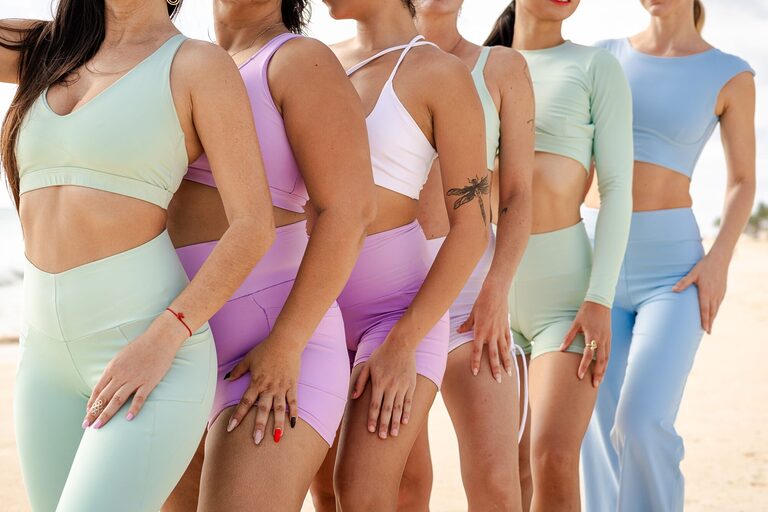
- Stick to a simple colour palette, such as black, grey and one accent colour, so every top pairs with every bottom.
- Choose leggings and shorts with four-way stretch so they double as casual travel trousers or loungewear, not just yoga wear.
- Pack one lightweight yoga wrap or shawl, which works as a cover-up, a blanket on the plane or an extra layer at higher altitudes.
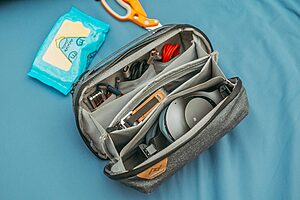
- Use packing cubes to separate activewear from everyday clothing, which also keeps sweaty gear contained after a class.
- Bring a small bar of travel-friendly laundry soap or concentrated laundry sheets so you can wash pieces in the sink and avoid overpacking.
- Wear your bulkiest trainers on travel days rather than packing them, leaving more room for clothing.
- Pack one quick-drying outfit in your personal item if you are flying directly to a retreat. If your checked luggage is delayed, you can still attend your first class comfortably.
- Choose reversible or two-in-one pieces where practical, such as a yoga top that can also work as a casual top.
A traveller heading to a two-week retreat in Ubud, for example, can often manage with just two sports bras, three tops and two leggings if they wash every second or third day. The exact number depends on how much you sweat and whether laundry facilities are available, but planning around regular washing is one of the easiest ways to cut luggage.
A traveller heading to a two-week retreat in Ubud, for example, can often manage with just two sports bras, three tops and two leggings if they wash every second or third day. If you are planning a similar trip on a budget, these affordable yoga retreats in Asia are a good place to start. This keeps the bag light and leaves more room for souvenirs or a travel-sized yoga mat.
This keeps the bag light and leaves more room for souvenirs or a travel-sized yoga mat. If you are still choosing one, these best travel-sized yoga mats for wellness travellers are compared by weight, thickness and packed size.
Benefits of Sustainable Clothing
Choosing eco-friendly yoga clothes can help reduce unnecessary consumption and durable pieces can be especially useful for frequent travellers.
- Potentially lower environmental impact. Some sustainable fabrics and production methods can reduce water use, waste or reliance on virgin materials, but the environmental impact varies considerably by fibre and manufacturing process.
- Better durability. Well-made pieces with strong stitching and quality fabric can survive repeated washing and packing without losing their shape.
- Support for fair labour. Certifications and transparent supply chains can help shoppers identify brands that meet recognised social and labour standards, although no single label tells you everything about a company’s practices.
- Reduced reliance on virgin materials. Recycled fibres can make use of existing materials instead of relying entirely on new raw materials, although they are not impact-free.
- Long-term savings. Higher-quality yoga wear may cost more upfront, often between $35 and $90 or more per piece, but durable clothing can offer better value if you wear it repeatedly rather than replacing cheaper items every few trips.
A useful sustainability rule for travellers is to buy fewer pieces and wear each one more often. The most sustainable garment is often one that stays in your wardrobe for years rather than one that needs replacing after a few trips.
Top Features for Comfort While Travelling
Comfort while travelling is different from comfort at home. A flight, a long bus ride or a sudden change in weather all test how well your clothing performs.
- Flat seams help prevent chafing during long-haul flights or extended sitting.
- A wide, non-roll waistband keeps leggings in place through yoga flows and airport walks alike.
- Breathable panels or lightweight fabric can help regulate body temperature in warm studios or tropical climates.
- Hidden pockets are useful for storing a phone, room key or small amount of cash during outdoor sessions.
- Adjustable straps on tops allow for layering, which helps when temperatures shift between morning and afternoon sessions.
- A squat-proof or non-sheer fabric is useful for yoga poses and gives you more confidence when travelling between classes.
- A supportive sports bra is worth prioritising if your trip includes hiking, cycling or higher-intensity activities as well as yoga.
Travel hack: Before taking new yoga wear abroad, wear it through a full practice session and a few hours of walking. This is an easy way to spot rubbing, slipping waistbands or uncomfortable seams before you are several thousand miles from home.
Caring for Yoga Wear on Long Trips
Good care extends the life of comfortable yoga wear, especially when it needs to survive weeks or months of travel.
- Hand wash with cold water where possible, since heat can break down elastic and stretch fibres faster.
- Avoid fabric softener, as it can coat performance fabrics and reduce moisture-wicking ability.
- Air dry according to the care label, rather than using a tumble dryer, which can cause shrinkage or damage elastic in some garments.
- Turn clothing inside out before washing to protect prints and reduce fabric pilling.
- Pack a small mesh laundry bag so damp items can dry separately without dampening the rest of your bag.
- Do not leave damp activewear sealed inside a packing cube for hours. Hang it up as soon as possible, even if you are only stopping at a hotel for one night.
- If you have no access to a proper drying area, gently press washed clothes between two clean towels to remove excess water before hanging them up.
One important tip: Always check the manufacturer’s care instructions before using homemade laundry products or cleaning solutions. Some technical fabrics and delicate fibres require specific care.
How to Shop More Responsibly?
Sustainability claims can be confusing, particularly when shopping online. Instead of relying only on words such as “green”, “conscious” or “eco-friendly”, look for specific information.
- Check the fibre content rather than relying on the product name.
- Look for recognised certifications where relevant, such as GOTS for certified organic textiles or Fairtrade certification for applicable products.
- Check where the garment is made and whether the brand provides information about its factories and supply chain.
- Look for durability information, including fabric weight, stitching quality and care instructions.
- Avoid buying more than you need, even if a product is marketed as sustainable.
- Consider second-hand activewear for items that are still in good condition, particularly jackets and outer layers that tend to last longer.
- Choose versatile designs that you can wear outside the yoga studio to increase how often each item gets used.
FAQ: Sustainable Yoga Wear for Travel
Three to four versatile outfits are usually enough if you plan to wash every few days. Mixing and matching tops and bottoms stretches a small wardrobe further, while quick-drying fabrics make regular sink washing easier.
Often yes, although prices vary considerably by brand, fabric and construction. A higher upfront price does not automatically mean a product is more sustainable, so look at durability, materials, manufacturing information and certifications as well as cost.
Yes. Many travellers choose leggings with four-way stretch and a plain design, which work well for both yoga practice and casual daytime wear. Check local customs before wearing very fitted or revealing activewear outside the resort or studio, particularly when visiting religious or traditional sites.
Look for specific information rather than vague sustainability claims. Certifications such as GOTS and Fairtrade can provide useful evidence for certain environmental and social criteria, while OEKO-TEX focuses mainly on testing textiles for harmful substances.
Some do, but there is no single best fabric for every traveller. Tencel™ and lightweight synthetic blends can be useful in humid conditions because they tend to manage moisture well, while cotton can feel comfortable but takes longer to dry. Your choice should also depend on the activity and how frequently you can wash your clothes.
Use cool water, a small amount of suitable detergent and gentle hand washing. Avoid wringing stretch garments aggressively. Instead, press out excess water with a towel and air dry them according to the care instructions.
Final Thoughts
Sustainable yoga wear for travel is really about choosing pieces that work as hard as you do, through flights, studios and everything in between. With the right fabrics, a few smart packing habits and simple care routines, wellness travellers can pack lighter, practise comfortably and make more considered fashion choices along the way. Rather than chasing the newest “eco” collection, focus on versatile, durable pieces that you genuinely enjoy wearing and can take on trip after trip.