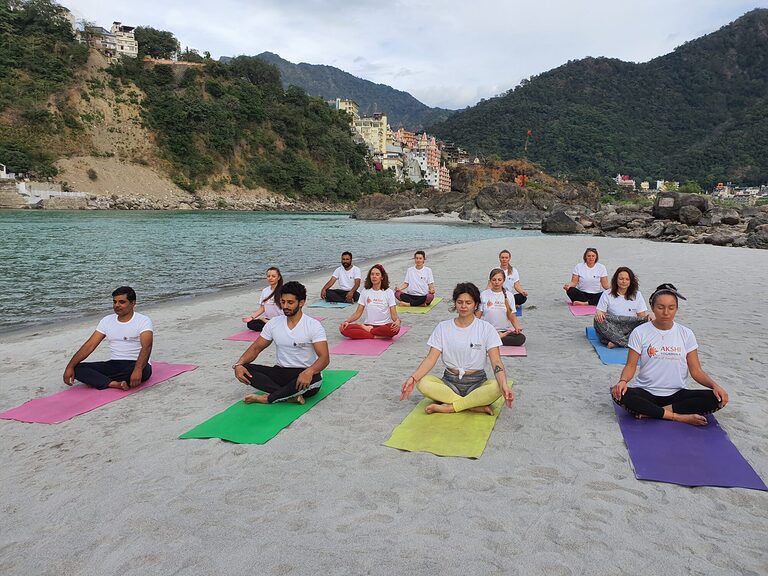
Affordable yoga retreats in Asia are far more common than most travellers realise and you do not need a huge budget to enjoy one. Whether you dream of practising yoga beside tropical beaches, in peaceful mountain villages or along the banks of sacred rivers, Asia offers affordable retreats that make wellness travel accessible to almost everyone. Whether you are a solo traveller looking for a quiet reset, a student wanting a short break between semesters or a digital nomad craving a slower week away from the laptop, Asia has retreats that fit almost every wallet. Many people assume that a wellness holiday means a luxury resort with a hefty price tag, but that is simply not true across most of Asia.
This guide breaks down where to go, what to expect and how to keep your costs low without giving up on comfort or a proper experience.
Overview: Quick Answers for Budget Yoga Retreats in Asia
If you are short on time, here is the quick version:
- Cheapest countries for yoga retreats are India, Nepal, Indonesia (outside Ubud’s premium spots), Thailand and Vietnam.
- Average daily cost ranges from $15 to $60 for budget retreats, including accommodation, meals and classes.
- Best time to book is two to three months ahead for peak season (November to March). Travelling during the shoulder seasons often brings lower prices and fewer crowds, while last-minute deals are sometimes available if your dates are flexible.
- What is usually included: shared or basic private room, two to three meals a day, daily yoga sessions and sometimes meditation or workshops.
- Best for solo travellers: India (Rishikesh) and Bali offer strong solo traveller communities.
- Save more by booking direct with the retreat centre, travelling in shoulder season and choosing dorm-style or shared rooms.
Best Countries for Affordable Yoga Retreats
Not every country in Asia offers the same value, so it helps to know where your money stretches furthest.
India, especially Rishikesh, is often called the birthplace of modern yoga and remains one of the most affordable places to learn and practise yoga. Many ashrams charge less than you would spend on a single restaurant meal back home and the town is full of experienced teachers who have taught for decades.
Nepal is a quieter alternative to India, with retreats often set against mountain views. Kathmandu and Pokhara both have budget-friendly options and prices are often similar to India, with excellent value for longer retreats.
Indonesia, particularly Bali, has a mixed reputation. Ubud is known for pricier wellness tourism, but if you look slightly outside the main tourist strip or head to areas like Sidemen, Amed or North Bali, you will find cheap yoga holiday packages that still offer beautiful surroundings.
Thailand offers excellent value in places like Chiang Mai and Koh Phangan. Chiang Mai in particular has a large expat and nomad community, which means plenty of affordable meditation retreats, yoga schools and drop-in classes.
Vietnam is an emerging option, with wellness retreats in Dalat and Hoi An offering lower prices than neighbouring countries, partly because it has not yet become a major wellness tourism hotspot.
Travel Hack: Many retreat centres offer discounts of 10 to 25 per cent for stays of two weeks or longer, so extending your visit can sometimes reduce the daily cost significantly.
Average Retreat Costs by Country
Here is a simple comparison to help you plan your budget.
| Country | Daily Cost (approx) | 7-Day Retreat (approx) | Best For |
| India (Rishikesh) | $15 to $35 | $100 to $250 | Serious yoga study, ashram life |
| Nepal | $20 to $40 | $140 to $280 | Mountain views, quiet retreats |
| Indonesia (outside Ubud) | $25 to $50 | $175 to $350 | Beach and jungle settings |
| Thailand | $25 to $55 | $175 to $385 | Community, digital nomad friendly |
| Vietnam | $20 to $45 | $140 to $315 | New destinations, lower crowds |
These figures cover accommodation, meals and daily classes, but flights and extras are separate. Prices can shift depending on season, so treat these as a general guide rather than a fixed rule.
Festivals, local holidays and school breaks can also increase prices in popular destinations, so checking the local calendar before booking can help you find better deals.
What Is Included in Budget Retreats?
Budget does not have to mean basic in a bad way. Most affordable retreats across Asia include:
- A shared or simple private room, often with a fan rather than air conditioning
- Two to three vegetarian meals a day, usually fresh and locally sourced
- One or two daily yoga sessions led by a qualified yoga teacher
- Access to communal areas such as gardens, terraces or meditation halls
- Sometimes a welcome or closing ceremony and occasional workshops on breathing or nutrition
What is usually not included are spa treatments, excursions, airport transfers and alcohol, so factor those in separately if you want them.
Travel Hack: Ask whether yoga mats, blocks and straps are included before you pack. Many retreats provide equipment, which can save valuable luggage space and baggage fees.
How to Save on Flights and Accommodation?
Getting to your retreat and finding a place to stay before or after can eat into your budget quickly if you are not careful. Here are some tried and tested hacks:
- Book flights midweek, as Tuesday and Wednesday departures are often cheaper than weekend flights.
- Use flexible date search tools on flight comparison sites to spot the cheapest week to travel.
- Fly into regional hubs like Bangkok, Delhi or Denpasar and take a budget local flight or bus onward, which is often cheaper than a direct route.
- Travel with carry-on only where possible, since many low-cost Asian airlines charge extra for checked luggage.
- Arrive a day early and stay in a cheap guesthouse near the retreat rather than paying the retreat centre’s pre-stay rate, which is sometimes marked up.
- Join local Facebook groups or forums for the destination, as retreat organisers and past guests often share genuine discount codes or last-minute deals.
- Consider work exchange platforms such as Workaway or WWOOF, where some yoga centres offer free stays in exchange for a few hours of help each day, which is ideal for students and long-term travellers.
- Book your retreat directly through its official website instead of online travel agencies whenever possible. Many centres offer free airport pickups, complimentary massages or additional classes for direct bookings that are not advertised elsewhere.
- If your schedule allows, avoid arriving late at night. Daytime arrivals make it easier to find transport and reduce the risk of paying inflated taxi fares.
Best Time to Book Wellness Retreats
Timing affects both price and experience.
- Peak season (November to March) in most of South and Southeast Asia brings cooler, drier weather and higher prices. Book two to three months ahead if you want a spot during this window.
- Shoulder season (April, September, October) often brings noticeably lower prices and fewer crowds, though you might get a bit more heat or rain.
Travelling just after major public holidays often brings quieter retreats and lower accommodation prices.
- Monsoon season (June to August in many regions) is the cheapest time overall and while some travellers avoid it, many retreat centres actually feel more peaceful with fewer guests around. Just check the specific rainfall pattern of your chosen country first.
- Last-minute bookings can work well for flexible travellers, since some centres offer discounts to fill empty rooms within a week or two of the start date.
Travel Hack: Sign up for retreat newsletters before booking. Many centres email exclusive discounts that are not advertised on booking websites.
Frequently Asked Questions
Yes, if you avoid the most touristy parts of Ubud. Areas like Sidemen, Amed and North Bali still offer wellness holidays on a budget with genuine quality.
No, most retreats welcome complete beginners. Just check the retreat’s description beforehand, as a few advanced-level programmes do expect some experience.
Generally yes, especially in well-established hubs like Rishikesh, Ubud and Chiang Mai, which see large numbers of solo travellers every year. It still helps to read recent reviews and choose centres with good communication before booking.
A week is a common starting point, giving enough time to settle into a routine without a huge time or money commitment. Shorter three-to-four-day options also exist for those with limited time.
Absolutely and many travellers do. A retreat works well as a calm start or end point to a longer backpacking trip through the same country or region.
Final Thoughts
Affordable yoga retreats in Asia are within reach for almost any traveller, whether you have a few days or several weeks to spare. The key is choosing the right country for your budget, booking during the right season and understanding exactly what is included before you commit. Comparing several retreats, reading recent reviews and booking directly with the retreat centre can often save both money and unnecessary surprises. With a little planning, cheap yoga retreats across Asia can feel every bit as rewarding as luxury retreats because the focus is often on authentic teaching, meaningful connections and personal wellbeing rather than expensive extras.