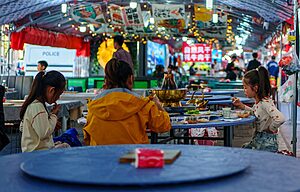
Nothing brings a destination to life quite like its street food and for many families this is one of the best parts of travelling. But street food safety for families abroad is a real concern for parents who want their children to enjoy sizzling noodles, grilled skewers or fresh mango while reducing the risk of stomach upsets during the trip. The good news is that with a few simple habits, families can eat well, eat safely and still have the kind of food adventure that makes a trip memorable.
Overview: Quick Answers for Busy Parents
If you only have a minute, here is what matters most.
- Choose stalls with high customer turnover since fresh, quickly sold food is safer than food that has been sitting out
- Watch how the vendor handles cash and food. Good hygiene practices such as handwashing, clean utensils and separating food preparation from payment handling are positive signs
- Stick to freshly cooked, hot food rather than anything lukewarm or pre-prepared
- Start children on mild, familiar-tasting dishes before trying anything spicy or unusual
- Always carry hand sanitiser, oral rehydration salts and any family medications recommended by your healthcare provider
- Avoid raw vegetables, tap water and ice unless you know the source
- Introduce new foods gradually, one dish at a time, rather than all at once
- Eat where local families are eating, as popular family-friendly stalls often maintain consistent food quality and turnover
- Save the location of highly rated food stalls on your phone so you can easily return to trusted vendors later in the trip
How to Spot Safe Street Food Vendors?
Choosing the right stall is the single biggest factor in keeping your family safe. A few visual cues can tell you almost everything you need to know before you even order.
- Look for queues. A busy stall with locals lining up usually means the food is fresh and turned over quickly
- Check the cooking method. Food cooked to order in front of you, especially over an open flame or hot grill, is generally safer than pre-made dishes sitting under a heat lamp
- Observe hygiene habits. A good vendor handles food hygienically, keeps raw and cooked foods separate and maintains a clean-looking cart or stall
- Smell and appearance matter. Food should look freshly prepared and appetising and cooking areas should appear clean and well maintained. Anything with a sour smell or greying colour should be skipped
- Trust word of mouth. Ask hotel staff, local guides or other parents where they eat with their own children. Locals almost always know which stalls are trustworthy
For families who feel nervous about navigating this alone, joining one of the street food tours for young families that now run in many major cities can be a great way to start. A local guide takes you to vetted stalls, explains the dishes and often adjusts spice levels for children, which takes a lot of the guesswork out of that first street food experience.
Travel hack: Arrive slightly before peak meal times when possible. You can often avoid long queues while still getting freshly prepared food.
Best Street Foods for Children
Not every dish needs to be adventurous. Many street food classics are naturally gentle on young stomachs and easy for kids to enjoy.
- Grilled meat skewers such as satay or yakitori, which are cooked fresh and easy to hold
- Steamed dumplings or buns, which are cooked through and mild in flavour
- Fresh fruits that is peeled or prepared in front of you
- Rice-based dishes like fried rice or rice porridge, which are filling and gentle
- Grilled corn on the cob, a favourite in many countries and simple to share
- Fresh coconut water, served straight from a freshly opened coconut
- Plain noodle soups with broth
- Freshly made pancakes, crepes or similar local breakfast foods
- Simple grilled flatbreads or stuffed breads
Starting with these familiar, mildly flavoured options helps children build confidence before trying bolder dishes later in the trip.
If your child is especially cautious about new foods, these tips on how to handle picky eaters while travelling can help make trying local dishes less stressful.
Food Hygiene Tips for Families Abroad
Good hygiene habits do not need to be complicated, but they do need to be consistent. This is where most families slip up, usually out of tiredness or hunger rather than carelessness.
- Carry hand sanitiser or wet wipes and use them before every meal, especially when there is no sink nearby
- Pack a small travel cutlery set for children who prefer not to eat with their hands
- Choose bottled or filtered water for drinking and consider using it for brushing teeth in destinations where local health advice recommends avoiding tap water
- Avoid ice cubes unless you know they were made from purified water
- Peel fruit yourself when possible, rather than eating pre-cut fruit that has been sitting out
- Keep a small travel first aid kit stocked with oral rehydration salts, a thermometer and any medications recommended for your family
- Wash children’s hands with soap and water whenever available, as handwashing is generally more effective than sanitiser when hands are visibly dirty
These small routines make a big difference and are a core part of any family travel health tips checklist worth following.
Countries Known for Family Friendly Street Food
Some destinations are particularly well suited to families exploring street food together, thanks to a mix of hygiene standards, mild flavours and welcoming food culture.
- Thailand, especially Bangkok and Chiang Mai, where food markets are popular with both locals and visitors and many vendors are accustomed to serving families
- Singapore, where hawker centres are government regulated and held to strict hygiene standards
- Taiwan, known for its clean night markets and huge variety of mild, kid-friendly snacks
- Vietnam, where pho, rice dishes and other mild options are widely available and can often be customised to suit children’s tastes
- Mexico, particularly in tourist-friendly areas, where fresh tortillas and grilled options are easy to find
- Japan, where food stalls are famously clean and portion sizes suit smaller appetites
- South Korea, where many markets offer freshly cooked rice dishes, dumplings and grilled foods that appeal to families
Families planning a food-focused trip in the region can also explore the best food cities for families in Asia, with ideas for destinations where parents and children can enjoy a wider variety of local dishes together.
When to Avoid Certain Foods While Travelling?
Part of eating street food with kids safely is knowing when to say no, even if a dish looks tempting.
- Raw or undercooked seafood, which carries a higher risk of contamination
- Unpasteurised dairy products, including some homemade yoghurts and cheeses
- Pre-cut fruit or salads left uncovered in open air or direct sun
- Food that has clearly been sitting out for a long time without reheating
- Anything served lukewarm, since this is often a sign it was cooked earlier and left standing
- Very spicy or unfamiliar dishes on the first day, especially if your child is tired, dehydrated or reluctant to eat
- Foods containing raw eggs or partially cooked eggs when food safety standards are uncertain
There is no need to avoid street food altogether. Being selective rather than avoidant is the safest and most enjoyable approach.
How to Manage Upset Stomachs Abroad?
Even careful families sometimes end up with a child who has an upset stomach. Knowing how to respond quickly makes a real difference to how the rest of the trip goes.
- Offer oral rehydration salts mixed with clean water to prevent dehydration, especially important for young children
- Stick to bland foods such as rice, bananas, toast or crackers for the first day of recovery
- Avoid dairy, sugary drinks and fried food until symptoms settle
- Watch for signs of dehydration, including dry lips, reduced urination or unusual tiredness and seek medical help if these appear
- Keep children’s paracetamol or other age-appropriate medications recommended by your healthcare provider on hand if needed
- If symptoms include a high fever, blood in the stool, signs of dehydration, repeated vomiting or persistent symptoms, seek medical advice promptly
Packing a small stomach upset kit before you leave home is one of the most useful things any family can do when practising safe food while travelling.
Travel hack: Save the location and contact information of a nearby clinic or hospital as soon as you arrive at your destination. It is much easier to find help quickly if a child becomes ill.
Street Food Safety Comparison Table
| Food Type | Safety Level | Notes for Families |
| Grilled skewers | High | Cooked fresh in front of you |
| Steamed dumplings | High | Cooked through and mild |
| Fresh fruit (peeled on site) | High | Choose fruit peeled in front of you |
| Fried rice or noodles | Medium | Best when cooked to order and served hot |
| Pre-cut fruit salads | Low | Risk of contamination if left unrefrigerated or uncovered |
| Raw seafood dishes | Low | Higher risk, best avoided with young children |
| Ice in drinks | Varies | Safer when made from purified water |
Frequently Asked Questions
Yes, as long as it is freshly cooked, served hot and introduced gradually. Parents should supervise closely and choose reputable vendors with good hygiene practices.
Look for busy stalls with a good turnover, vendors using tongs or gloves and food that is cooked fresh in front of you rather than sitting out.
No, avoiding it completely often means missing out on some of the best parts of a destination. Being selective about vendors and dishes is safer and more enjoyable than avoiding street food altogether.
Oral rehydration salts, hand sanitiser, basic fever or pain medicine and a few bland snacks are useful to carry, especially with younger children.
Singapore, Taiwan and Japan are often recommended for first timers thanks to strict hygiene standards and mild flavours, while Thailand and Vietnam offer great options once families feel more confident.
Yes, many families safely enjoy street food throughout a trip. The key is choosing reputable vendors, prioritising freshly prepared foods and maintaining good hand hygiene.
Sealed bottled drinks, freshly opened coconut water and hot beverages made with boiled water are often among the lower-risk options, depending on the destination.