Nothing derails a family holiday faster than a hungry toddler who refuses every single thing on the plate. If you are wondering how to handle picky eaters while travelling, you are not alone. Almost every parent who has boarded a plane or checked into a hotel with a young child has faced the same standoff at mealtime and the good news is that with a little planning, most food battles abroad can be avoided altogether.
Overview: Quick Answers for Busy Parents
- Pack familiar snacks from home so your child always has a safe option
- Introduce new foods slowly and never force a bite
- Choose restaurants with flexible menus or a children’s menu
- Stick to regular meal and snack times even in a new time zone
- Let children help choose or order their own food to build confidence
- Bring a few portable condiments or sauces your child already loves
- Book accommodation with a kitchenette when travelling for more than a few days
- Research local supermarkets near your accommodation before arrival so you know where to buy familiar foods if needed
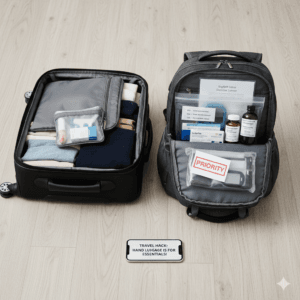
- Pack a few shelf-stable emergency snacks in your day bag for delays, missed meals or unexpected closures
Why Children Become Picky Eaters During Travel?
Children thrive on routine and travel can temporarily disrupt many of the habits and schedules they rely on. New sights, unfamiliar smells and different sleeping patterns can make a child’s appetite unpredictable, even if they eat well at home. Jet lag and tiredness also play a big role, since an overtired child is far more likely to refuse food altogether.
Unfamiliar textures and flavours can feel overwhelming too. A dish that looks completely different from what your child eats at home may seem risky to a small child who relies on visual cues to decide what is safe to eat. This is completely normal and is often temporary, so try not to worry if your usually adventurous eater suddenly turns cautious once you are abroad.
Travel tip: A child’s appetite often decreases during travel days and increases once they are settled. Focus on hydration and regular snack opportunities rather than expecting full meals immediately after long flights or road journeys.
Best Snacks for Long Journeys
Long flights, train rides or road trips are much easier with the right snacks on hand. A mix of familiar and healthy options keeps blood sugar stable and prevents meltdowns before you even reach your destination.
Good options to pack include:
- Whole grain crackers or breadsticks
- Dried fruit and age-appropriate snacks such as unsalted nuts for older children
- Cheese sticks or shelf-stable cheese portions
- Mini rice cakes or oat bars
- Fresh fruit that travels well, such as bananas or apples
- Small pouches of unsweetened applesauce or shelf-stable yoghurt products where available
- Plain cereal or dry breakfast cereals in small containers
- Mini sandwiches for shorter travel days
- Roasted chickpeas or other crunchy snacks for older children
Packing healthy snacks for long family trips does more than fill hungry tummies. It also gives you a reliable backup whenever local food options are limited or your child simply is not ready to try something new.
Familiar snacks is also one of the most useful airport hacks for families travelling with kids, especially when flights are delayed or suitable food options are limited.
Travel hack: Divide snacks into small portions before leaving home. Offering several mini snack breaks throughout the day often works better than presenting one large bag of food.
How to Introduce New Foods Slowly?
Trying new foods while travelling with toddlers works best when there is no pressure attached. Instead of insisting your child finish a full portion of an unfamiliar dish, offer a tiny taste alongside something you know they already like.
A few gentle strategies that tend to work well:
- Offer one new food at a time rather than an entirely new meal
- Let your child touch, smell or explore the food before eating it
- Model eating the new food yourself without making a big deal of it
- Praise curiosity and willingness to explore new foods rather than the amount eaten
- Repeat exposure over several days, since it can take many tries before a child accepts a new flavour
- Invite your child to help choose a local fruit, snack or dessert at a market
Restaurant Strategies for Families
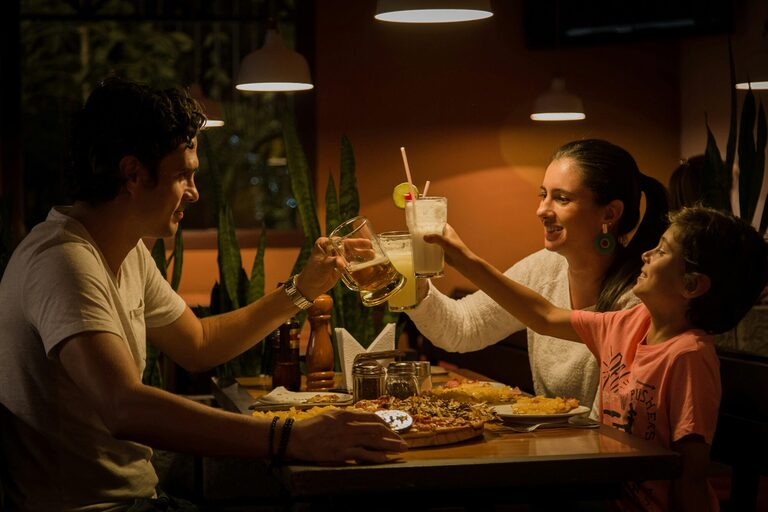
Family dining abroad becomes much smoother once you know what to look for. Restaurants with open kitchens or picture menus tend to be less stressful, since children can see what they are ordering before it arrives.
Helpful tips for eating out with picky eaters:
- Ask if the kitchen can prepare a simple dish such as plain rice, pasta or grilled chicken, even if it is not on the menu
- Choose restaurants that are busy with other families, since this usually signals a relaxed, child-friendly atmosphere
- Bring a small backup snack in your bag in case the meal takes a while to arrive
- Order family style so children can pick and choose from shared plates
- Visit restaurants slightly before or after peak dining times when service may be faster and waiting times shorter
- Review menus online before arriving so children can see options in advance
- Order one familiar dish first if your child is especially hungry or tired
- Ask for children’s portions when available to reduce food waste
Street food markets and local grocery stores are also worth exploring. They often have simple, familiar items like fresh bread, fruit or plainly prepared grilled foods that are easy on a cautious palate while still giving your child a taste of the local culture.
When trying local dishes with children, following these street food safety tips for families abroad can help parents reduce food and hygiene risks while still enjoying the local food culture.
Healthy Food Ideas While Travelling
Balancing nutrition with a picky eater’s comfort zone does not have to mean giving up on healthy food ideas while travelling. Small swaps can keep meals nutritious without turning every meal into a negotiation.
Try these simple approaches:
- Pair one new item with two familiar favourites on the same plate
- Choose grilled or steamed options over fried when available
- Offer fruit alongside or instead of dessert when practical
- Keep a refillable water bottle on hand so thirst is not mistaken for hunger
- Look for local versions of foods your child already loves, such as flatbread instead of toast
- Look for yoghurt, milk or fortified alternatives to help maintain familiar nutrient sources
- Pack a reusable snack container to carry leftovers from larger meals
Managing Meal Routines Abroad
Keeping some structure around mealtimes helps children feel secure, even in an unfamiliar place. Try to keep meals and snacks relatively predictable, especially during the first few days of a trip, adjusting gradually if you are dealing with a significant time difference.
A few practical hacks that make a real difference:
- Book accommodation with a small fridge or kitchenette so you can store familiar snacks and prepare simple meals
- Carry a portable placemat or bib to make any table feel a bit more like home
- Set a consistent snack schedule between meals to avoid sudden hunger meltdowns
- Involve children in grocery shopping at a local supermarket so they feel some control over what they eat
- Keep portions small to start, since a smaller plate feels less overwhelming than a large unfamiliar meal
- Keep one familiar breakfast option available each morning, especially during the first few days in a new destination
- Use grocery stores to create simple picnic meals on sightseeing days when restaurant schedules do not align with your child’s routine
- Bring a reusable water bottle and refill it regularly to encourage hydration throughout the day
These small routines are some of the most effective family travel food tips, since they give children a sense of predictability even when everything else around them is new.
Comparison Table: Picky Eater Solutions by Travel Situation
| Travel Situation | Common Challenge | Practical Solution |
| Long-haul flights | Limited food choices onboard | Pack familiar snacks and request a child meal in advance |
| Hotel stays | No kitchen access | Choose accommodation with a kitchenette or mini-fridge when possible |
| Street food markets | Unfamiliar smells and textures | Start with simple, familiar-looking items like bread or fruit |
| Restaurants abroad | Menus without kid-friendly options | Ask the kitchen for a simple off-menu dish |
| Road trips | Irregular meal timing | Set a fixed snack schedule every two to three hours |
Frequently Asked Questions
Keep offering familiar snacks alongside new foods without pressure. Most toddlers eat more when they feel they have a choice rather than an expectation to finish everything.
Crackers, dried fruit, cheese portions and fruit that does not bruise easily, such as bananas, all hold up well without refrigeration for several hours.
Yes, a slight dip in appetite is common due to excitement, tiredness or an unfamiliar environment. It usually returns to normal within a few days.
Costs vary significantly by destination. A casual family meal may cost less than $20 USD in some countries and well over $80 USD in others, so it is best to research typical restaurant prices for your destination before travelling.
For very young children or those with strong preferences, packing a few pouches or familiar dry snacks is a smart backup, especially for the first day or two before you settle into local options.
Focus on hydration and continue offering familiar foods without pressure. Most healthy children will eat when hungry and temporary changes in appetite during travel are common.
Yes. Familiar foods provide a useful safety net and can reduce mealtime stress, making children more willing to explore new foods at their own pace.