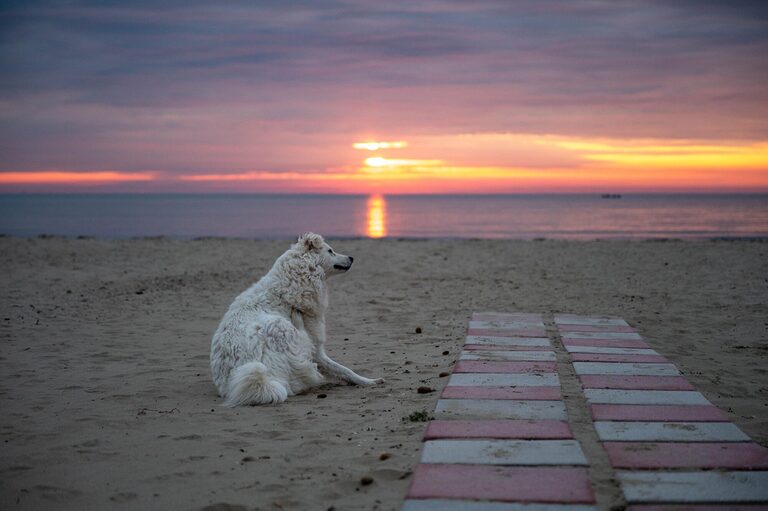
Travelling through Europe with your dog or cat can transform an ordinary holiday into a far more memorable adventure. From dog-friendly beaches along the Mediterranean to charming cafés that happily welcome four-legged guests, Europe offers countless opportunities to explore together. The challenge is knowing which destinations genuinely cater to pets and which simply claim to. Many travellers only discover restrictive beach rules, hotel weight limits or unexpected paperwork requirements after they arrive. This guide helps you avoid those pitfalls with practical advice, destination recommendations and travel hacks so you can plan a smooth, enjoyable trip for both you and your furry companion.
Overview: Quick Answers for Readers
If you are short on time, here is what you need to know before booking anything:
- Top pet-friendly countries: France, Germany, Italy, Portugal, the Netherlands and Croatia consistently rank among the most welcoming destinations for pets.
- Vaccination rule: Dogs and cats travelling within the EU need a valid rabies vaccination and either an EU pet passport or an animal health certificate.
- Best beaches: Look for beaches labelled “spiaggia per cani” in Italy or “plage pour chiens” in France, as these are officially designated dog-friendly areas.
- Transport: Trains are often more pet-friendly than buses, while many airlines charge between £40 and £120 for small pets travelling in the cabin.
- Accommodation: Booking platforms with a dedicated “pet-friendly” filter save time, but always confirm size, breed and pet-number restrictions directly with the property.
- Packing must-haves: Collapsible water bowl, updated ID tag, comfort blanket and printed vaccination records.
- Travel hack: Save digital copies of all pet documents in cloud storage so they remain accessible if paperwork is lost during your trip.
Top Pet Friendly Countries in Europe
Some countries have built a strong culture around welcoming pets, while others are rapidly improving their facilities and services.
- France allows pets in many outdoor cafés, trains and even some department stores. Paris alone has numerous dog-friendly parks and walking areas.
- Germany is famously welcoming towards dogs, with many restaurants, shops and even some workplaces allowing pets.
- Italy offers beautiful dog-friendly beaches in Tuscany and Liguria, along with pet-friendly agriturismos in the countryside.
- Portugal has become increasingly popular with pet owners thanks to its relaxed coastal towns and wide choice of pet-friendly accommodation.
- The Netherlands is particularly easy to explore with pets because of its flat terrain, excellent public transport and abundance of dog parks.
- Croatia combines stunning coastline with a growing number of designated dog-friendly beaches, particularly around Istria and the Dalmatian Coast.
Entry Rules and Pet Vaccinations
Understanding pet travel requirements before booking flights or ferries can save you from serious problems at the border.
- All dogs and cats entering the EU need a microchip fitted before vaccination.
- The rabies vaccine must be administered after the microchip and at least 21 days before travel.
- An EU pet passport (for EU-registered pets) or an animal health certificate (for pets from outside the EU) is required.
- Some countries, including the UK, Ireland, Finland, Malta and Norway, also require tapeworm treatment for dogs before entry.
- Puppies and kittens under 12 weeks old often face additional travel restrictions, so check requirements early.
Always confirm requirements through official government sources, as regulations can change and may differ by country.
Travel hack: Set calendar reminders for vaccination dates and certificate expiry dates several months before departure to avoid last-minute stress.
Best Dog Friendly Beaches and Parks
Not every beach welcomes dogs, so a little research prevents disappointment.
Top dog friendly beaches:
- Bau Bau Beach, Viareggio, Italy
- Plage des Chiens, Nice, France
- Praia do Meco, Portugal
- Camping Village Cavallino, near Venice, Italy
- Zlatni Rat area (designated sections), Croatia
Travel tip: Many beaches have seasonal restrictions. Dogs may be allowed freely outside peak summer months but restricted during busy holiday periods.
For cats, beach trips are less common, but many coastal towns in Greece, Spain and Portugal have quiet promenades that suit harness-trained cats, particularly during quieter morning and evening hours.
Popular pet friendly parks:
- Englischer Garten, Munich
- Parc de la Villette, Paris
- Vondelpark, Amsterdam
- Parque del Retiro, Madrid
- Villa Borghese Gardens, Rome
Transport Options for Pets
Getting around Europe with a pet is often easier than travellers expect, although rules vary.
| Transport | Pet Friendliness | Typical Cost |
| Trains | Very good, pets often ride free or cheap | Free to $15 |
| Ferries | Good, many allow pets in cabins or on deck | $20 to $60 |
| Budget airlines | Moderate, small pets only in cabin | $50 to $150 |
| Car hire | Good, though some companies charge a cleaning fee | $0 to $40 |
| Buses | Limited, rules vary widely by operator | Varies |
A practical hack many pet owners use is choosing train travel instead of short-haul flights whenever journeys are under six hours, as trains usually impose fewer restrictions and create less stress for animals.
Additional travel hack: Reserve pet spaces on trains as early as possible during summer holidays, as some operators limit the number of animals per carriage.
Pet Friendly Accommodation Tips
- Filter listings specifically for “pet-friendly” accommodation.
- Message hosts directly and ask about weight limits, as many properties quietly cap pets at around 10 to 15 kilograms.
- Look for ground-floor rooms if travelling with older pets.
- Ask whether a pet deposit is required, which typically ranges from £25 to £80.
- Choose accommodation near parks or open spaces to simplify daily walks.
- Ask whether pet bowls, beds or welcome packs are provided, as many pet-friendly hotels now include these extras.
Travel hack: Read the most recent pet-related reviews rather than relying on the property’s description, which may be outdated.
Dining and Attractions That Allow Pets
Europe’s outdoor dining culture often makes travelling with pets easier than in many other regions.
- Most cafés in France, Italy and Germany allow dogs on outdoor terraces.
- Some wineries in Tuscany and the Douro Valley welcome dogs during tastings.
- Museums and indoor attractions are generally stricter, though castle grounds, botanical gardens and open-air markets often allow pets.
- Always check policies beforehand, as rules can vary significantly.
Travel tip: Carry a lightweight travel mat so your dog has a comfortable place to settle while you dine outdoors.
Packing Essentials for Pet Holidays
- Collapsible bowls for food and water
- A comfort item such as a blanket or toy that smells like home
- Printed vaccination records and pet passport
- A well-fitted harness with an ID tag showing your contact details
- Portable litter tray for cats, along with a familiar litter brand
- Basic first-aid kit and regular medication
- Cooling mat for summer travel or a lightweight pet coat for cooler destinations
- Portable GPS tracker attached to the collar for extra peace of mind in unfamiliar locations
Common Travel Mistakes to Avoid
- Assuming every “pet-friendly” listing means the same thing when some only allow pets in outdoor areas.
- Forgetting the 21-day waiting period after rabies vaccination.
- Booking flights without checking cabin pet weight limits.
- Not researching local veterinary clinics before arrival.
- Overpacking pet food when most European cities stock familiar brands.
- Failing to check local leash laws, which can vary significantly between regions and national parks.
- Leaving accommodation bookings until the last minute, as genuinely pet-friendly properties often sell out earlier.
FAQ Section
Only pets registered within the EU can use an EU pet passport. Pets entering from outside the EU generally require an animal health certificate instead.
Not necessarily, although fewer facilities cater specifically to cats. Most cat travel success comes from careful preparation, secure carriers and familiar comforts.
Germany and France are frequently considered among the easiest due to their pet-friendly public spaces, accommodation options and excellent rail networks.
Budget roughly £80 to £250 extra for a short trip, covering transport fees, accommodation charges and required treatments.
Yes. Dog-friendly beaches are available in most coastal countries, although Italy, France, Croatia and Portugal offer some of the widest selections and clearest signage.
Planning ahead makes all the difference when travelling with pets. Once the paperwork, vaccinations and transport arrangements are sorted, Europe becomes one of the easiest regions in the world to explore alongside a dog or cat. With the right preparation, a pet-friendly holiday can be just as relaxing and rewarding for your furry companion as it is for you. Start with one well-planned trip, learn what works best for your pet and future adventures will become even easier to organise.