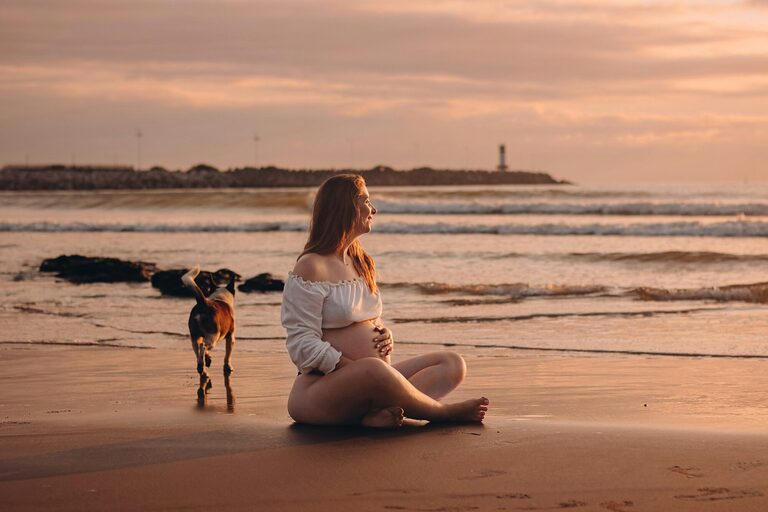
A beach holiday while pregnant can be one of the most wonderful and restorative experiences you have before your baby arrives. The sound of waves, the fresh sea air and the chance to simply slow down and rest make coastal breaks genuinely appealing for expectant mothers. But it is natural to have concerns about heat, safety and comfort when you are planning beach trips during pregnancy and those concerns are worth taking seriously before you book.
Quick Overview: Beach Holidays While Pregnant
For readers who want a fast answer before diving deeper, here is what you need to know:
- First and second trimesters (weeks 1 to 27) are generally the most comfortable time to travel
- Avoid travelling after 36 weeks for most single pregnancies, though always confirm this with your doctor or midwife first
- Stay in the shade between 11am and 3pm to reduce the risk of overheating
- Hydrate constantly because heat and sun deplete fluids far faster during pregnancy
- Choose destinations with good medical facilities and low health risks
- Check your travel insurance covers pregnancy-related complications before you go
- Consult your doctor or midwife before booking any trip abroad
Best Beach Destinations for Pregnant Women
Not every beach destination is equally suitable when you are pregnant. Warm weather travel during pregnancy works best when the climate is comfortably warm rather than extremely hot, the local healthcare is reliable and there are no major health risks such as Zika virus or malaria.
For couples still deciding on timing, destinations and practical preparations, this babymoon planning guide can help you organise a comfortable trip around your stage of pregnancy.
Some of the most popular babymoon beach destinations that tick these boxes include:
- The Algarve, Portugal with its mild Mediterranean warmth, excellent private hospitals and relatively short flight times from many parts of Europe
- Crete and Corfu, Greece offering calm seas, shaded restaurants and good medical centres in most tourist areas
- Tenerife and Lanzarote, Canary Islands which stay warm year-round and have well-established healthcare facilities for visitors
- Sardinia, Italy which is peaceful, scenic and well-equipped for tourists who may need medical support
- Bali, Indonesia which is popular for babymoons but does require Zika and dengue fever checks beforehand, so speak to your doctor before booking
- The Maldives which is stunning and relaxing, though some remote resort islands may have limited access to specialist medical care
When looking at safe countries to visit while pregnant, the general rule is to prioritise destinations with strong healthcare infrastructure, no vaccine requirements involving live viruses and low risks of mosquito-borne illness.
Sun Safety and Hydration Tips
Heat is one of the biggest concerns for pregnant women at the beach. Your core body temperature is already slightly elevated during pregnancy and direct sun exposure can raise it further, which is not ideal for you or your baby.
Practical sun safety tips:
- Apply SPF 50 sunscreen at least 30 minutes before going outside and reapply every two hours
- Wear a wide-brimmed hat and a light, breathable cover-up
- Seek shade during peak sun hours, which are typically between 11am and 3pm
- Avoid sitting directly on hot sand without a beach mat or reclining chair
- Wear UV-protective swimwear if you plan to spend extended time outdoors
Staying hydrated is just as important as sun protection. Most pregnant women need to drink at least two to three litres of water per day under normal conditions and that requirement increases when you are spending time at the beach in warm weather. Carry a large refillable water bottle and sip regularly even when you do not feel thirsty. Coconut water, diluted fruit juice and electrolyte drinks can also help if you begin to feel faint or overly hot.
Overheating symptoms to watch for include dizziness, headaches, reduced foetal movement, swollen hands or feet and feeling unusually weak. If any of these occur, move into a cool space immediately and seek medical advice without delay.
Activities You Can Enjoy Safely
A beach holiday does not have to mean doing nothing at all. There are plenty of gentle and relaxing activities that are safe and enjoyable for most pregnant women.
Great beach activities during pregnancy:
- Swimming in calm, shallow water is an excellent form of low-impact exercise that relieves pressure on your joints and lower back
- Gentle walks along the shoreline are especially pleasant in the early morning when temperatures are cooler
- Snorkelling in shallow reefs is generally considered safe in early to mid-pregnancy as long as you feel comfortable and your doctor has given you the go-ahead
- Prenatal yoga or stretching on the beach is widely available at coastal resorts and designed specifically for expectant mothers
- Reading, journaling and simply resting can be the most valuable thing of all, because genuine rest is something many pregnant travellers forget to prioritise
Many relaxing destinations for pregnant women, particularly those in southern Europe and Southeast Asia, offer pregnancy massage services at spa resorts. These can be a real treat, but do check that the therapist is trained in prenatal massage and uses techniques that are safe for pregnancy before you book.
What to Avoid at the Beach?
There are certain beach activities and situations that are better left alone during pregnancy.
Skip these while pregnant:
- Jet skiing, parasailing and high-speed water sports because impact and sudden movements carry genuine risks during pregnancy
- Scuba diving which is strongly advised against at any stage of pregnancy due to decompression risks
- Busy or rough surf beaches where being knocked over by strong waves could result in a fall or abdominal trauma
- Raw or undercooked seafood including shellfish, raw fish in sushi and ceviche, all of which carry a risk of food poisoning
- Drinks with unpasteurised ingredients because it is worth being cautious about what goes into your food and drinks when travelling abroad pregnant
- Long periods lying flat on your back as from the second trimester onwards this can reduce blood flow, so use a pillow or towel to prop yourself on your side instead
Packing Essentials for Beach Travel
Packing thoughtfully makes a genuine difference to your comfort and confidence at the beach.
Do not leave home without:
- High-SPF sunscreen (SPF 50 or above)
- Maternity swimwear with good support
- A lightweight, loose-fitting beach cover-up
- A wide-brimmed sun hat
- A portable, refillable water bottle (at least one litre)
- Compression socks for flying, as these help reduce the risk of deep vein thrombosis on longer journeys
- Your pregnancy medical records or maternity notes
- Travel insurance documents confirming pregnancy cover
- Any prescribed medications or prenatal vitamins
- A small cooling mist spray for particularly hot days
- Supportive sandals or flip flops with arch support, because swollen feet need comfortable footwear
Travelling Abroad Pregnant: Insurance and Medical Prep
Before you finalise any trip, sorting your travel insurance should be the very first step. Standard travel policies often exclude pregnancy-related claims or only cover up to a certain number of weeks into the pregnancy. Look specifically for policies that cover complications of pregnancy, premature birth and neonatal care in the country you are visiting.
Costs for emergency obstetric care abroad can be significant. In the United States, for example, emergency delivery without insurance can run to $30,000 or more. In many parts of Asia and the Middle East, private hospital care for pregnancy complications can easily reach several thousand dollars without the right cover in place. Even in countries with public healthcare systems, foreign nationals are not always entitled to free treatment, so comprehensive cover is essential no matter where you are travelling from.
Always carry your pregnancy medical records with you and research the nearest hospital or maternity unit to where you are staying before you travel.
Frequently Asked Questions
If your coastal getaway involves air travel, reviewing flying while pregnant guidance can help you prepare for airline restrictions, medical documentation and ways to stay comfortable during the journey.
Most airlines permit travel up to 36 weeks for single pregnancies and up to around 32 weeks for twin pregnancies. Always check the specific policy with your airline before booking and carry a letter from your doctor or midwife confirming your due date and that you are fit to fly.
The second trimester, which covers weeks 14 to 27, is widely considered the most comfortable time to travel. Morning sickness has usually eased by this point, your energy levels tend to be better and the baby bump is still manageable for moving around and enjoying activities.
Yes, swimming in calm seawater is generally considered safe and is actually encouraged as a form of low-impact exercise during pregnancy. Avoid rough surf, very cold water and overcrowded swimming areas where you could be bumped or knocked.
It is best to avoid areas with active Zika virus transmission, which includes parts of the Caribbean, Central and South America and Southeast Asia. You should also avoid destinations that require yellow fever vaccination using live vaccines and any location where access to good healthcare is genuinely limited.
Move to a cool and shaded area straight away, drink water and rest. If your symptoms do not improve quickly or you notice reduced foetal movement, seek medical attention immediately rather than waiting to see if it passes.
Final Thoughts
A beach holiday while pregnant can be genuinely wonderful when planned with care and common sense. The key is choosing a destination that suits your stage of pregnancy, preparing properly for the heat and sun and listening to your body throughout the trip. Think of it as your last great escape before life changes beautifully and for good.
Whether you are exploring the quiet coves of the Algarve, floating in the warm waters of the Indian Ocean or simply resting in the shade with a good book and a cold drink, a well-planned coastal break can leave you feeling refreshed, rested and ready for what comes next. Always speak with your doctor or midwife before booking and enjoy every moment of your babymoon.