You have got your flights booked, your playlist ready and your backpack half packed. But as you start planning your adventure, another question often comes up: how can you explore the world while making a positive impact on the places you visit? If you are searching for eco travel tips for Gen Z youth, you are part of a generation that cares deeply about both adventure and sustainability. More young travellers are choosing experiences that support local communities, reduce waste and protect natural environments without sacrificing fun or affordability. The good news is that sustainable travel does not require a huge budget or a complete lifestyle change. It simply involves a few smart habits, thoughtful choices and small actions that can make a meaningful difference over the course of a trip.
Overview: Quick Eco Travel Tips at a Glance
If you only have a minute before your flight boards, here is the short version.
- Pack a reusable water bottle, cutlery set and tote bag to cut down on single-use plastic
- Choose trains, buses or shared rides over short-haul flights when possible
- Book accommodation with visible sustainability practices, such as recycling programmes, renewable energy or refill stations
- Travel slower and stay longer in fewer places instead of rushing between destinations
- Support local businesses, guides and markets instead of large international chains
- Offset your carbon footprint through verified programmes if flying is unavoidable
- Respect local customs, wildlife and natural sites by following posted guidelines
- Pack light whenever possible, as lighter luggage can reduce transport emissions and make travel easier
- Download digital tickets and guidebooks instead of printing unnecessary paper copies
Keep reading for the full breakdown, including budget friendly hacks and real examples from young travellers who have made sustainable choices work on a student budget.
What Is Eco Travel and Why It Matters?
Eco travel, also called sustainable or responsible travel, means making choices during your trip that reduce harm to the environment and support local communities rather than draining their resources. This includes how you get to your destination, where you stay, what you eat and how you interact with local people and nature.
These choices reflect wider Gen Z travel trends, as more young travellers consider sustainability, authentic local experiences and the environmental impact of their trips when deciding where and how to travel.
For Gen Z travellers, this matters for several clear reasons.
- You have grown up with constant news about climate change and want your choices to reflect your values
- Overtourism is putting pressure on popular destinations, from crowded beaches in Southeast Asia to fragile hiking trails in Europe
- Younger travellers often have greater flexibility with time, making slower and lower-impact travel easier to plan
- Social media has highlighted the downside of mass tourism, from litter at famous viewpoints to unethical wildlife experiences
Sustainable travel habits are not about being perfect. They are about making better choices where possible without turning your holiday into a stressful checklist.
How to Reduce Plastic Use While Travelling?
Plastic waste is one of the biggest and easiest issues to tackle while travelling. Airports, hostels and tourist areas often hand out disposable items without a second thought, so preparation goes a long way.
- Carry a reusable water bottle with a built-in filter if you are visiting places where tap water is not safe to drink directly
- Pack a lightweight set of bamboo or metal cutlery for takeaway meals and street food
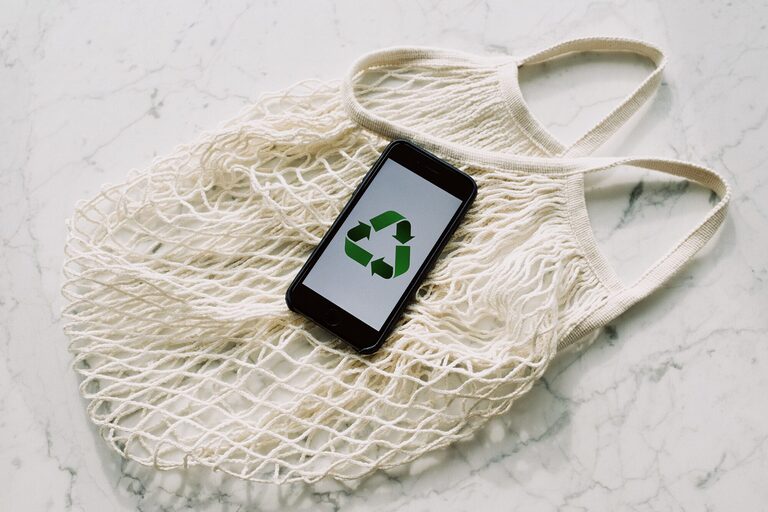
- Bring a foldable tote bag for markets and grocery shopping instead of accepting plastic bags
- Use solid shampoo bars and soap bars instead of small plastic toiletry bottles
- Say no to plastic straws by carrying a reusable one or simply skipping it
- Choose accommodation that offers refill stations for water and toiletries
- Carry a reusable coffee cup if you regularly buy hot drinks while travelling
A simple hack many student travellers use is packing a collapsible silicone cup. It folds flat inside a bag and pops open for coffee, juice or water, potentially saving dozens of disposable cups over a two-week trip.
Eco Friendly Transport Options
Transport is usually the biggest contributor to a traveller’s carbon footprint, especially flying. While it is not always realistic to avoid flights entirely, there are ways to make transport choices greener.
- Choose trains over short-haul flights when travelling between cities with strong rail connections, such as across Europe or Japan
- Use overnight buses or trains to save on accommodation costs while reducing emissions
- Rent a bicycle or use bike-sharing schemes in cities that offer them, which is often cheaper than taxis
- Walk when distances are reasonable, since it is free and allows you to experience more of your surroundings
- Share rides with other travellers through apps or hostel noticeboards to split both costs and emissions
- If flying is unavoidable, choose direct flights where possible, since take-off and landing generate the highest emissions
- Use public transport travel cards rather than relying on ride-hailing services for every journey
| Transport Option | Approximate Cost (USD) | Environmental Impact |
| Domestic train | 10 to 40 per journey | Low |
| Long distance bus | 15 to 50 per journey | Low to moderate |
| Shared ride or carpool | 5 to 20 per journey | Moderate |
| Short haul flight | 60 to 200 per journey | High |
| Bicycle rental | 5 to 15 per day | Very low |
This table gives a rough guide only, since prices vary by region and season, so it is worth checking current fares before booking.
Budget Friendly Sustainable Travel Tips
One of the best things about eco-friendly travel is that it often costs less rather than more. Many sustainable habits naturally overlap with budget travel.
- Cook your own meals in hostels with shared kitchens instead of eating out for every meal
- Use refillable bottles to avoid repeatedly buying bottled water
- Choose slow travel by staying in one place for several days rather than moving constantly between destinations
- Travel during shoulder season when prices are lower and attractions are less crowded
- Join free walking tours led by local guides instead of expensive organised excursions
- Swap or borrow gear from other travellers instead of buying new equipment for every trip
- Use local markets for fresh snacks and ingredients instead of convenience stores where possible
- Book longer stays, as many guesthouses and hostels offer weekly or monthly discounts
A useful sustainable travel hack for students is exploring work-exchange opportunities, where you volunteer a few hours a day at a hostel, farm or eco-project in exchange for accommodation and sometimes meals. This can significantly reduce travel costs while supporting small-scale local businesses.
For students looking to travel for longer without overspending, these gap year ideas for Gen Z include experiences such as volunteering, cultural exchanges and exploring new destinations while developing practical skills.
Responsible Tourism Habits for Young Travellers
Being a responsible traveller goes beyond plastic and transport. It also includes how you behave once you arrive.
- Research local customs and dress codes before visiting religious or cultural sites
- Avoid wildlife attractions that involve riding, touching or performing animals, as these often involve poor welfare practices
- Buy souvenirs and food from local markets and independent businesses rather than international chains
- Stick to marked trails when hiking to avoid damaging fragile ecosystems
- Ask before photographing local people, especially children
- Learn a few basic phrases in the local language, which often leads to warmer interactions
- Avoid removing shells, coral or natural items from beaches and protected areas
- Respect visitor limits and designated viewing areas at popular natural attractions
These low-impact travel habits do not require extra money or effort. They simply require awareness and respect for the places you visit.
Frequently Asked Questions
Not usually. Many sustainable habits, such as using public transport, cooking your own meals and staying longer in one destination, can actually reduce overall travel costs.
Start with a reusable water bottle and a tote bag. These simple items can eliminate a surprising amount of single-use plastic during a trip.
Look for visible initiatives such as solar panels, refill stations, recycling programmes, energy-saving measures and partnerships with local suppliers. Guest reviews can also provide useful insight.
Not necessarily. Flying is sometimes unavoidable, especially for long-distance travel. The goal is to reduce unnecessary flights where practical and consider verified carbon offset schemes when flying is required.
Yes. Many sustainable travel habits, such as using public transport, joining walking tours and staying in locally run accommodation, can also be safe, social and budget-friendly.
Travelling by train or coach, staying in hostels and carrying reusable essentials are often among the cheapest and most sustainable travel choices available.
Yes. Staying longer in fewer destinations reduces transport emissions, lowers costs and often provides a more meaningful travel experience than constantly moving between locations.