Imagine spending a year collecting experiences instead of rushing straight into lectures, exams or a full-time job. A gap year gives you the chance to explore new countries, build confidence, learn practical skills and discover what you really want from the future. Whether you dream of backpacking through Southeast Asia, working in Australia, volunteering in Costa Rica or simply taking a break before your next chapter, a well-planned gap year can be one of the most rewarding adventures of your life. The challenge is knowing where to go, how to afford it and how to stay safe along the way. This guide covers everything you need to plan a memorable and realistic gap year with confidence.
Overview: Gap Year Ideas for Gen Z at a Glance
Short on time? Here is the quick version.
- A gap year is a break from formal study or work, usually lasting between three months and a full year
- Popular destinations include Thailand, Australia, New Zealand, Portugal and Costa Rica
- Budget gap year travel is possible on around $700 to $1,500 USD per month, depending on the destination and travel style
- Working holidays abroad let you earn money while travelling, especially in Australia, New Zealand and Canada
- Volunteering trips for teens combine travel with hands-on experience in conservation, teaching or community projects
- Solo travellers should always share their location with family, buy travel insurance and research local customs before arrival
- Travel slowly instead of rushing between destinations to reduce transport costs and enjoy deeper cultural experiences
- Use travel reward programmes and flight alerts to save hundreds of dollars on long-haul flights
Keep reading for the full details on planning, budgeting and staying safe on your trip.
What Is a Gap Year?
A gap year is simply a break from full-time study or a regular job, usually lasting between three months and twelve months. Some people use it to travel the world, others use it to work, volunteer or learn a new language. There is no single correct way to do a gap year. It can be one long trip or several shorter ones spread across the year.
For student gap year plans, timing matters. Many take their break after finishing school and before starting university, while others take a year off partway through a degree or straight after graduating. What matters most is having a rough plan and a clear purpose.
One useful approach is to choose a theme for your gap year, such as adventure travel, language learning, volunteering or career exploration. Having a focus makes planning much easier and helps you get more from the experience.
Best Countries for a Gap Year
Choosing where to go depends on your budget, interests and comfort level with new cultures. Here are destinations that consistently work well for young travellers.
• Thailand: affordable food and accommodation, friendly locals and a well-worn backpacker trail that makes it easy to meet other travellers
- Australia: one of the best destinations for working holidays thanks to its extensive visa opportunities and strong job market
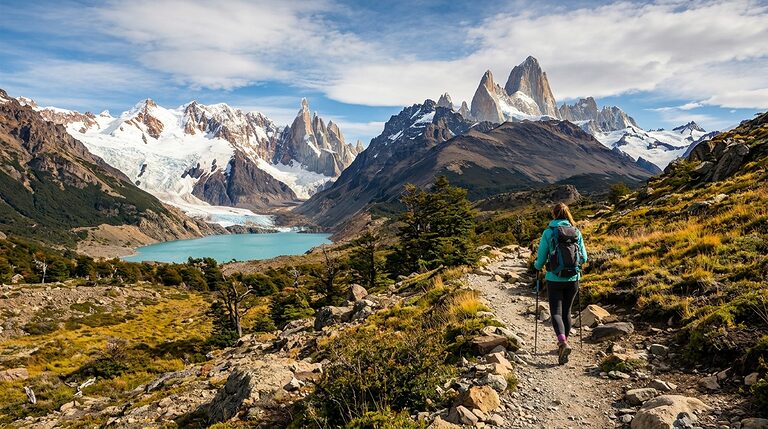
- New Zealand: outdoor adventure paradise with hiking, bungee jumping and farm work opportunities
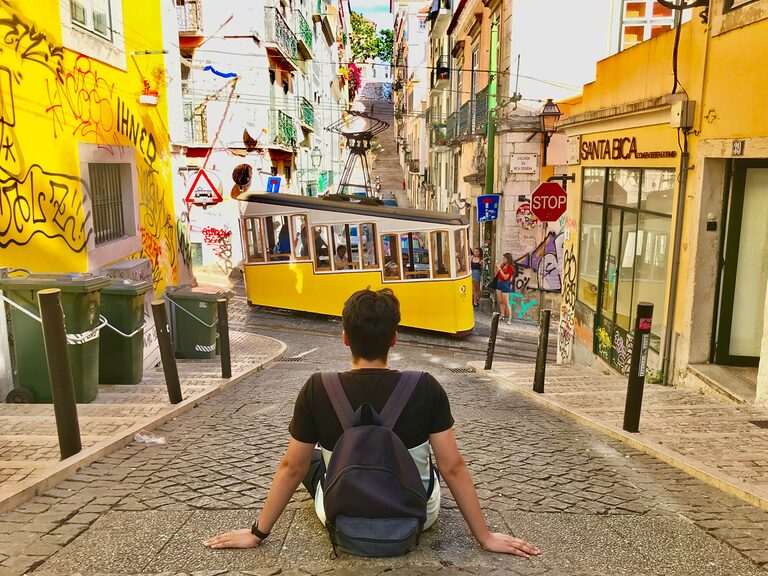
- Portugal: budget-friendly in Western Europe with a growing digital nomad and backpacker scene
- Costa Rica: excellent for volunteering trips for teens focused on wildlife conservation and eco-projects
- Vietnam and Cambodia: low-cost travel with rich history and welcoming communities
- Colombia: increasingly popular for its affordability, mountains and coastline
- Japan: ideal for travellers interested in culture, technology and efficient public transport, though it requires a slightly higher budget
- Indonesia: offers affordable island hopping, surfing and volunteer opportunities beyond Bali
A smart approach is to pick one region, such as Southeast Asia or Central America, rather than trying to circle the whole globe in one trip. Staying in one region cuts down on flight costs and gives you time to actually settle in.
Budget Planning for Long-Term Travel
Money is usually the biggest worry for anyone planning a gap year, but budget gap year travel is more achievable than you think. Here is how to make your funds stretch further.
- Set a daily spending target. In Southeast Asia this might be $25 to $35 USD a day including food, accommodation and local transport. In Western Europe, expect closer to $60 to $100 USD a day
- Book longer stays for discounts. Many hostels and guesthouses offer a lower nightly rate for stays of a week or more
- Cook some of your own meals. Hostels with shared kitchens can save you a surprising amount over eating out for every meal
- Travel overland where possible. Buses and trains are usually far cheaper than short-haul flights
- Use a prepaid travel card. These help you avoid high foreign transaction fees and let you track spending easily
- Build a buffer fund. Set aside an extra 10 to 15 percent of your budget for emergencies, missed buses or that one souvenir you cannot resist
- Track your spending weekly. A simple spreadsheet or budgeting app keeps you honest and helps you spot where money is slipping away
- Travel during shoulder season when flights and accommodation are often significantly cheaper while weather conditions remain favourable
- Use hostel loyalty programmes and booking platform rewards to earn discounts on future stays
- Take overnight buses or trains when safe and practical to save on accommodation costs
A common hack among experienced backpackers is the envelope method. Withdraw a set amount of cash for the week and split it into daily amounts. Once the day’s cash is gone, you stop spending for that day. It sounds basic but it works.
Another useful travel hack is to keep an emergency debit card in a separate bag from your main wallet. If one is lost or stolen, you still have access to funds.
Working and Volunteering Abroad
Working holidays abroad are one of the best ways to fund a longer gap year while gaining real work experience. Australia, New Zealand and Canada all offer working holiday visas for young adults, typically aged 18 to 30 or 35 depending on nationality, which allow you to take on short-term jobs such as fruit picking, hospitality or retail work.
Volunteering trips for teens are another popular route for those who want their travel to have a clear purpose. Common options include:
- Teaching English in community schools
- Wildlife conservation projects, such as sea turtle protection in Costa Rica
- Building or renovation projects with local communities
- Farm stays through work exchange programmes
- Environmental clean-up projects and marine conservation initiatives
- Cultural exchange programmes that allow participants to live with local families
Before signing up for any volunteering programme, check reviews carefully and confirm what is included in the fee, such as accommodation, meals and orientation training. It is also worth asking the organisation how much of your money actually goes to the local community.
If you are considering a work exchange platform, compare opportunities carefully and read recent reviews from previous volunteers before committing.
Safety Tips for Solo Young Travellers
Travelling solo as a young adult is rewarding, but a little preparation goes a long way.
- Share your itinerary and accommodation details with a parent or trusted friend before you leave
- Keep digital and physical copies of your passport, visa and travel insurance documents
- Buy travel insurance that covers medical emergencies, theft and trip cancellation
- Research local laws and customs, particularly around dress codes and public behaviour
- Avoid displaying expensive jewellery, cameras or phones in crowded areas
- Trust your instincts. If a situation feels wrong, remove yourself from it
- Stay in hostels with good reviews and secure locker facilities
- Learn a few basic phrases in the local language, including how to ask for help
- Download offline maps before arriving in a new destination in case mobile service is unavailable
- Carry a portable charger so your phone remains usable during long travel days
- Research common tourist scams in each destination before arriving
Solo female travellers often find it useful to book female-only hostel dorms and to connect with other travellers through hostel common rooms before venturing out at night.
How to Make the Most of a Gap Year?
Getting the most out of your time away is about balance. Here are ways to make your gap year memorable and worthwhile.
- Mix structured activities, like volunteering or courses, with free time for exploring
- Keep a journal or blog to document what you learn along the way
- Say yes to local recommendations rather than only following guidebook lists
- Try to stay in each place a little longer than planned, since rushing often means missing the best parts
- Reflect regularly on what you are learning about yourself, not just what you are seeing
- Stay in touch with family and friends back home to avoid feeling isolated
- Learn at least a few words of every local language you encounter. It often leads to better interactions and memorable experiences
- Take part in free walking tours early in your stay to understand the destination and gather local recommendations
- Network with other travellers and locals, as some of the best opportunities come from unexpected conversations
A gap year is not just a break from routine. For many young adults, it shapes their confidence, independence and direction for years to come.
Comparison Table: Gap Year Options at a Glance
| Option | Average Monthly Cost (USD) | Best For | Key Benefit |
| Backpacking Southeast Asia | $700 to $1,000 | Budget travellers | Low cost of living and easy backpacker trail |
| Working holiday in Australia | Can be cost-neutral or profitable | Earning while travelling | Real work experience and visa flexibility |
| Volunteering in Central America | $800 to $1,200 | Purpose-driven travel | Meaningful community and conservation work |
| Study abroad or language course | $1,000 to $1,800 | Skill building | Structured learning plus travel |
Frequently Asked Questions
This depends on the region and your travel style, but a reasonable budget for a year of mixed travel and work is around $8,000 to $15,000 USD, especially if you combine budget destinations with working holidays.
Many students find that a gap year builds confidence, independence and a clearer sense of direction before starting their degree, though it depends on personal goals and finances.
Yes, most working holiday programmes require a specific visa, such as the Working Holiday Visa in Australia or New Zealand, which usually has an age limit and a cap on how long you can work for one employer.
Solo travel can be safe with proper preparation, including travel insurance, sharing your itinerary with family and researching your destination before arrival.
Overland travel using buses and trains, staying in hostels with shared kitchens and travelling during off-peak seasons are some of the most effective ways to keep costs down.
Trying to do too much too quickly. Many first-time travellers underestimate how tiring constant movement can be. Slowing down often leads to lower costs, less stress and more meaningful experiences.