So, you are visiting Argentina during summer.
Excellent choice.
You have sunshine.
Longer days.
Mountain trails.
Lakes.
Beaches.
Waterfalls.
Vineyards.
Outdoor cafés.
And approximately three thousand possible answers to the question:
“What should we do tomorrow?”
Argentina’s summer generally runs from December to February, which can initially confuse travellers arriving from the Northern Hemisphere.
Christmas decorations.
Sunshine.
Shorts.
Possibly 30°C.
Your brain may require a moment.
Because Argentina stretches an enormous distance from north to south, summer also looks very different depending on where you travel.
Buenos Aires can become hot and humid.
Patagonia enjoys longer daylight hours and a popular hiking season.
The Lake District becomes ideal for outdoor adventures.
Iguazú can be hot, humid and spectacularly tropical.
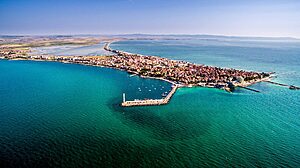
Atlantic beach resorts fill with summer visitors.
Meanwhile, Mendoza continues doing something extremely useful with grapes.
There is no single Argentine summer.
Which is precisely what makes travelling here so interesting.
Whether you want mountains, beaches, cities, waterfalls, wine or enough outdoor adventure to justify eating several empanadas afterwards, Argentina has plenty to keep you busy.
So apply the sun cream, refill the water bottle and prepare to discover 10 of the best summer activities to enjoy in Argentina.
1. Hike Through Patagonia
🥾 Summer and Patagonia are extremely good friends.
The warmer months bring longer daylight hours and generally more accessible hiking conditions, making summer one of the most popular periods for exploring the region.
And there is a lot to explore.
Mountains.
Glaciers.
Forests.
Lakes.
Valleys.
Trails disappearing towards scenery that looks suspiciously like somebody has increased the saturation settings.
El Chaltén is one of Argentina’s best-known hiking destinations, with routes leading towards spectacular viewpoints around Mount Fitz Roy and Cerro Torre.
There are walks for different abilities, from shorter trails to challenging full-day hikes.
💡 Summer Tip: Start longer hikes early and check local weather and trail conditions before setting out.
Even during summer, Patagonian weather can change quickly.
Carry layers, waterproof clothing, water, food and sun protection.
And prepare to stop frequently for photographs.
You may tell yourself you are stopping to rest.
Nobody needs to know.
2. Explore The Lakes Around Bariloche
🏞️ Bariloche is famous for skiing during winter.
Then summer arrives and the entire landscape appears to change jobs.
Snow sports give way to hiking, kayaking, cycling, swimming, scenic drives and days beside beautiful mountain lakes.
Nahuel Huapi and the surrounding Lake District provide some of Argentina’s most spectacular summer scenery.
Forested mountains surround enormous stretches of blue water.
Beaches appear along the lakeshores.
Walking trails lead towards viewpoints.
You begin considering whether moving permanently to a cabin beside a lake is financially realistic.
💡 Summer Tip: Hire a bicycle, join a kayaking trip or explore some of the scenic routes around the region.
Pack a swimsuit if you plan to swim.
But remember that mountain lakes can remain rather refreshing.
And by “refreshing”, we mean the sort of water temperature that may cause you to reconsider several recent life decisions.
Enter confidently.
Or very, very slowly.
Both are valid strategies.
3. Experience Iguazú Falls
💦 Iguazú Falls does not believe in doing things quietly.
There is water.
A lot of water.
More water.
Then you turn a corner.
More waterfalls.
Located in Argentina’s subtropical northeast, Iguazú is one of the country’s most extraordinary natural attractions.
Walkways on the Argentine side allow visitors to explore different sections of the falls, with spectacular views throughout the park.
Then there is the famous Devil’s Throat.
You hear it before fully appreciating what you are approaching.
Eventually you reach the viewpoint and realise that your camera is completely incapable of explaining the scale of what is happening in front of you.
💡 Summer Tip: Summer around Iguazú can be hot and humid, so start early where possible.
Carry water, wear breathable clothing and use sun protection.
Bring waterproof protection for your phone and camera.
You may also appreciate quick-drying clothes.
You are visiting enormous waterfalls.
Remaining completely dry would be suspicious.
4. Spend A Day At The Beach
🏖️ Argentina is not usually the first country people associate with beach holidays.
Mountains?
Absolutely.
Steak?
Obviously.
Tango?
Naturally.
Beaches?
Surprise.
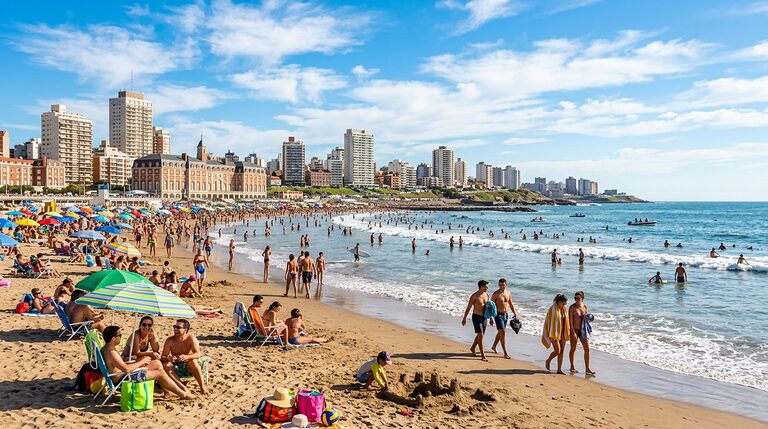
Argentina has a long Atlantic coastline and summer brings plenty of people towards its seaside resorts.
Mar del Plata is the country’s best-known beach destination, with long stretches of coastline, restaurants, nightlife and a lively summer atmosphere.
There are also quieter coastal destinations for travellers seeking fewer crowds and slightly more personal space for their beach towel.
💡 Summer Tip: Popular beach destinations can become very busy during peak summer periods, particularly around January.
Book accommodation ahead if travelling during holidays or weekends.
Bring sun protection and remember that coastal weather can still become breezy.
Then do something revolutionary.
Nothing.
Lie on the beach.
Read.
Swim.
Eat something.
Repeat.
Not every adventure needs hiking boots.
5. Cycle Through Mendoza’s Vineyards
🚲 Summer in Mendoza provides an excellent opportunity to explore Argentina’s famous wine country.
Rows of vines.
Mountain views.
Warm weather.
Malbec.
Bicycles.
One of those things requires considerably more concentration after visiting several wineries.
Cycling tours are available in some vineyard areas and can provide a relaxed way to travel between wineries while enjoying the landscape.
Many wineries offer tours, tastings and meals, giving visitors an opportunity to learn how Argentine wine goes from vineyard to bottle.
Very educational.
Especially the tasting section.
💡 Summer Tip: Mendoza can become very hot, so consider cycling earlier in the day.
Wear sun protection, drink plenty of water and eat properly.
If you plan to enjoy several tastings, an organised tour or hired driver may be the better option.
Wine may improve your confidence.
It does not improve your ability to steer around unexpected objects.
6. Discover Buenos Aires Outdoors
🌳 Buenos Aires is a city designed for wandering.
Grand avenues.
Historic neighbourhoods.
Parks.
Markets.
Outdoor cafés.
Colourful streets.
Architecture that repeatedly causes you to stop and look upwards.
During summer, the city becomes particularly lively outdoors, although daytime temperatures can become hot.
Explore neighbourhoods such as Palermo, San Telmo, Recoleta and La Boca.
Walk through parks.
Browse weekend markets.
Sit outside a café.
Spend an unreasonable amount of time deciding where to eat dinner.
This is not indecision.
It is research.
💡 Summer Tip: Plan outdoor sightseeing for the morning or later afternoon when possible.
Use the hottest part of the day for lunch, museums or an extremely important café break.
Carry water and wear sun protection.
Buenos Aires is a city best explored slowly.
If you attempt to power-walk through the entire capital at midday in January, the sun may personally request that you reconsider.
7. Go Kayaking Or Rafting
🚣 Argentina has enough rivers and lakes to make staying permanently on dry land feel unnecessarily restrictive.
Summer is an excellent time to explore some of them.
Kayaking is popular in parts of Patagonia and the Lake District, where calm waters can provide spectacular views of mountains and forests.
For travellers seeking something slightly more energetic, rafting opportunities are available in regions such as Mendoza and Patagonia.
One activity involves peaceful paddling.
The other may involve somebody shouting:
“PADDLE!”
Choose according to personality.
💡 Summer Tip: Join a reputable operator if you are inexperienced.
Wear the safety equipment provided and protect electronics from water.
Conditions vary according to location, weather and water levels, so always follow local advice.
And if rafting, listen to your guide.
This is not the ideal moment to demonstrate independent thinking.
8. Explore Northwest Argentina
🌵 Northern Argentina offers a completely different landscape from Patagonia.
Instead of glaciers and forests, you will find colourful mountains, valleys, deserts, salt flats, cactus-covered landscapes and historic towns.
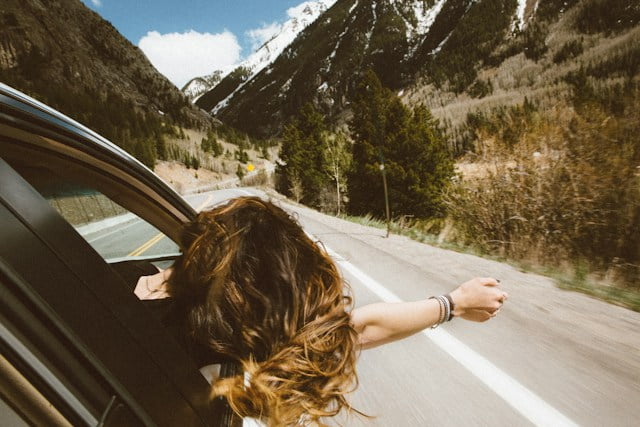
The provinces of Salta and Jujuy are particularly rewarding for road trips and outdoor exploration.
The Quebrada de Humahuaca offers spectacular scenery, while destinations throughout the region provide opportunities to experience Indigenous heritage, colonial architecture and distinctive regional food.
The mountains come in colours you may previously have assumed were reserved for children’s drawings.
Apparently not.
💡 Summer Tip: Summer in northwest Argentina can bring heat and seasonal rainfall, so check road and weather conditions before travelling.
Some destinations are also at significant altitude.
Give yourself time to acclimatise and stay hydrated.
Do not arrive at altitude and immediately decide that a strenuous uphill hike would demonstrate character.
The mountain is not conducting interviews.
Take your time.
9. Visit Perito Moreno Glacier
🧊 Summer activity.
Glacier.
Perfectly normal.
The enormous Perito Moreno Glacier near El Calafate is one of Argentina’s most famous natural wonders and an unforgettable stop on a Patagonian itinerary.
A network of viewing walkways allows visitors to see the glacier from different angles.
And then you wait.
You stare, you photograph.
You stare some more.
Then suddenly:
CRACK.
A section of ice breaks away and crashes into the water.
Everybody becomes extremely excited about something that has technically been happening naturally for a very long time.
Understandably.
It is spectacular.
💡 Summer Tip: Bring layers even during summer because conditions near the glacier can feel much cooler than expected.
Sunglasses and sun protection are useful because of the reflection from the ice.
If you want to take part in a guided glacier-related excursion, book with authorised operators and check current requirements.
And occasionally put the camera down.
Your phone does not need 146 photographs of exactly the same glacier.
You will take them anyway.
10. Travel To Ushuaia And The End Of The World
🌎 Finally, go south.
Then keep going south.
A little further.
Eventually you reach Ushuaia, the famous city on Tierra del Fuego often described as the End of the World.
Summer is a popular period for exploring the region because of the longer daylight hours and greater opportunities for outdoor activities.
Visitors can hike in Tierra del Fuego National Park, explore surrounding landscapes and take boat trips through the Beagle Channel.
Depending on the excursion and season, you may encounter seabirds and other wildlife along the way.
The scenery feels remote.
Wild.
Dramatic.
And very, very far from wherever you started.
💡 Summer Tip: Do not interpret “summer” as “guaranteed warm weather”.
Ushuaia has its own ideas.
Bring layers, waterproof clothing and a wind-resistant outer layer.
Weather can change quickly and boat trips may depend on conditions.
But longer summer days give you more time to explore.
Which is useful.
You travelled to the end of the world.
It would be unfortunate to rush.
✨ Final Argentina Summer Thoughts
Summer in Argentina creates an almost unreasonable number of possibilities.
You can hike through Patagonia.
Kayak across mountain lakes.
Stand beside enormous glaciers.
Explore Buenos Aires.
Cycle between vineyards.
Visit tropical waterfalls.
Spend a day beside the Atlantic.
Road-trip through colourful desert landscapes.
Raft down rivers.
And travel all the way to Tierra del Fuego.
Then there is the food.
Because adventure requires fuel.
Empanadas.
Steak.
Pizza.
Ice cream.
Alfajores.
Dulce de leche.
More empanadas.
Hydration is important too.
Mendoza has several suggestions.
The key to enjoying Argentina during summer is remembering how geographically enormous the country is.
Summer in Buenos Aires does not feel like summer in Ushuaia.
Patagonia can still produce cold, windy and rainy conditions.
The north can become extremely hot.
Iguazú can feel tropical.
Mendoza can be hot and dry.
So pack according to your actual route rather than simply throwing six T-shirts into a suitcase and announcing:
“It’s summer.”
Argentina may have notes.
Plan outdoor activities carefully.
Carry water.
Use sun protection.
Check weather forecasts.
Book popular accommodation and activities ahead during busy periods.
And leave some flexibility.
One trip might take you hiking through Patagonia.
Another could involve vineyards and mountain scenery around Mendoza.
Perhaps you will spend several days exploring Buenos Aires before travelling north to Iguazú.
Or maybe you will head towards Bariloche, El Calafate and Ushuaia.
Whichever route you choose, summer gives you longer days and plenty of opportunities to explore.
Swim in the lake.
Walk the trail.
Take the boat.
Visit the vineyard.
Sit outside the café.
Watch the sunset.
Order another empanada.
Actually, make that two.
You have been hiking.
Probably.
And when your Argentine summer adventure finally ends, there is a strong possibility you will arrive home with too many photographs, a new appreciation for Malbec and a list of places you did not have enough time to visit.
Which means Argentina has successfully created one final summer activity for you:
Planning the next trip.
Frequently Asked Questions
Popular summer activities include hiking in Patagonia, exploring national parks, enjoying beach trips along the Atlantic coast, visiting vineyards in Mendoza and discovering Argentina’s cities.
Yes, summer is ideal for exploring Patagonia and enjoying outdoor activities, although temperatures can be high in northern regions. Weather conditions vary across the country.
Pack lightweight clothing, comfortable walking shoes, sun protection, a reusable water bottle and a light waterproof jacket for unexpected showers or cooler evenings.
Discover more Argentina travel tips:
- Following these top travel hacks for Argentina can help you plan transport, manage your budget and make the most of your summer adventures.
- Exploring winter and rainy-season activities in Argentina can give you alternative travel ideas if you visit during colder or wetter months.
- If you are staying in the capital, discovering top adventure activities in Buenos Aires can add exciting outdoor experiences to your city itinerary.