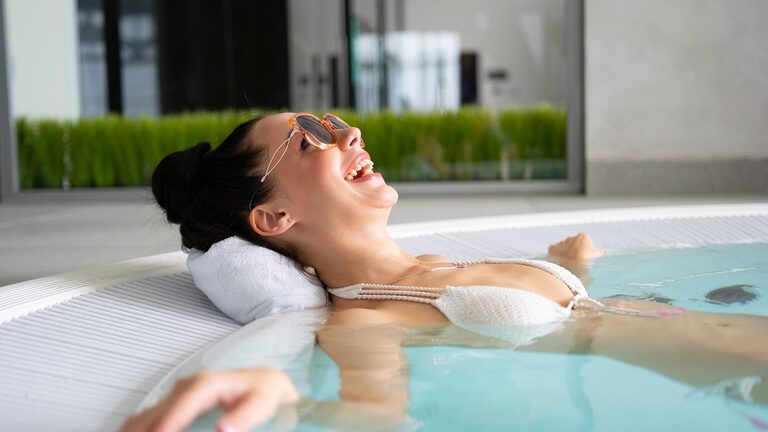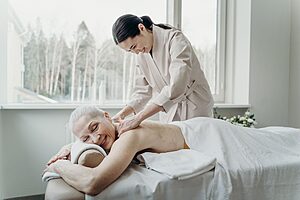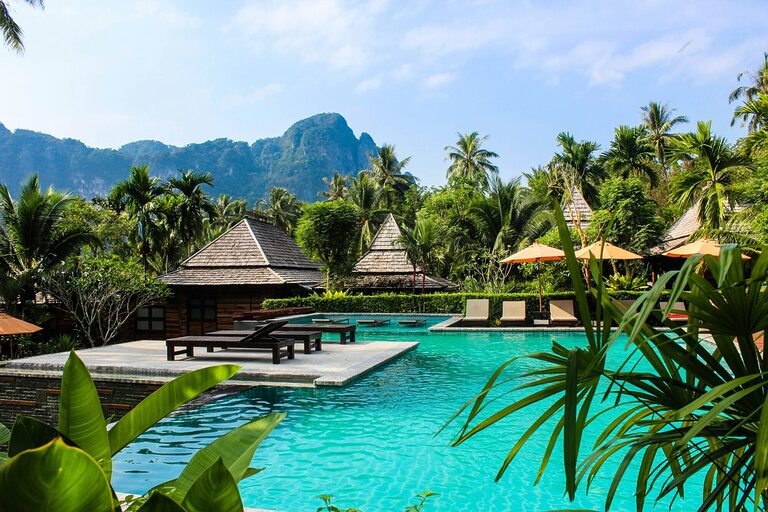
Searching for the best spa retreats in Thailand can feel overwhelming when hundreds of resorts promise the same thing, complete relaxation. But choosing the right retreat is about more than beautiful pools and Instagram-worthy treatment rooms. You also need to consider the type of wellness programme, location, season, facilities and total cost. Thailand has long been a popular wellness destination, with options ranging from luxury resorts in Koh Samui and Phuket to established wellness centres in Hua Hin and peaceful retreats around Chiang Mai. Whether you want a full wellness programme or simply a few relaxing treatments during a beach holiday, there is an option to suit different travel styles and budgets.
Whether you are planning a romantic couple’s getaway, a luxury holiday or a dedicated wellness break, Thailand has a retreat to suit you. The key is to decide what you want from your stay before booking, then compare what the price actually includes.
Overview: Quick Answers for Readers
If you only have a minute, here is what you need to know before booking a spa retreat in Thailand.
- Best overall destinations: Koh Samui and Phuket are strong choices for luxury wellness retreats, thanks to their beachfront settings, established spa scene and wide range of accommodation.
- Best for structured wellness programmes: Chiva-Som in Hua Hin and Kamalaya in Koh Samui are well known for health, fitness and wellness programmes.
- Best for city convenience: Bangkok has many high-end hotel spas, making it useful if you want spa treatments alongside sightseeing, shopping and dining.
- Budget range: Traditional Thai massages at local spas can start from around 8 to 15 USD, while luxury resort treatments can cost considerably more. Multi-day wellness programmes can range from hundreds to several thousand US dollars, depending on the resort and length of stay.
- Best time to visit: November to February is generally popular for beach and outdoor wellness activities, although the best weather varies between regions.
- Booking tip: Reserve popular wellness programmes several weeks or months ahead during busyperiods, especially if you want a specific treatment, room type or retreat programme.
Best Spa Destinations in Thailand
Thailand’s spa scene is not one-size-fits-all. Each region has its own personality and knowing this helps you pick the right base for your trip.
Koh Samui is a favourite for couples and wellness travellers because it combines peaceful beaches with a well-established spa scene. The island has many resorts offering Thai massage, yoga, meditation and wellness programmes, including well-known properties such as Kamalaya and Absolute Sanctuary. It is a good choice if you want to combine structured wellness activities with plenty of free time by the sea.
Phuket offers a wide mix of luxury resorts, from cliffside properties to garden settings. It is particularly convenient for travellers who want to combine spa treatments with beaches, restaurants and other holiday activities. Phuket suits travellers who want spa time balanced with beach days, nightlife and easy airport access.
Hua Hin is quieter and more low-key than Bangkok or Phuket, making it popular with travellers looking for a more focused wellness break. The area is also home to established health and wellness resorts, including Chiva-Som, which offers structured programmes rather than just individual spa treatments.
Bangkok works well if you are short on time or combining a wellness stop with a city trip. The capital has numerous hotel spas and independent wellness centres, so you can fit in a treatment without travelling to a resort destination. It is a particularly practical choice for travellers with a short stopover.
Chiang Mai and the northern hills suit travellers drawn to a slower, more nature-focused experience. The area offers yoga, massage, meditation and traditional wellness experiences, often at lower prices than luxury island resorts.
The area offers yoga, massage, meditation and traditional wellness experiences, often at lower prices than luxury island resorts. For more ideas on keeping costs down, these affordable yoga retreats in Asia show where your wellness budget stretches furthest.
Travel hack: If you are visiting Thailand for more than a week, consider combining a city or cultural stay with a few nights at a wellness resort rather than spending the entire trip at a luxury retreat. This can give you the spa experience without paying resort rates for every night.
Traditional Thai Wellness Treatments
A big part of what makes Thai spa culture special is the range of treatments available. Some are rooted in traditional Thai practices while others are modern spa treatments influenced by international wellness trends.
- Traditional Thai massage: A full-body treatment using assisted stretching and pressure techniques. It can feel more active than an oil massage, so tell your therapist if you prefer lighter pressure.
- Herbal compress massage: Warm bundles containing herbs such as lemongrass, turmeric and ginger are pressed against the body. The heat and pressure can feel soothing after a long day of sightseeing.
- Thai oil massage: A gentler treatment using massage oils and flowing movements. This can be a good option if you prefer relaxation over stretching.
- Steam and herbal sauna: Available at many wellness resorts and spas. Check whether use of these facilities is included in your treatment or charged separately.
- Wellness and nutrition programmes: Dedicated resorts may offer meal plans, fitness sessions, meditation and consultations as part of a longer programme.
- Dedicated resorts may offer meal plans, fitness sessions, meditation and consultations as part of a longer programme. If weight management is part of your goal, the best detox retreats for weight loss in Europe and Asia explain what these programmes typically involve.
- Reflexology: A foot-focused treatment that is widely available at both local spas and luxury resorts.
Travel hack: Book your first massage at a reputable local spa rather than immediately choosing the most expensive resort treatment. This lets you understand which style and pressure you prefer before spending more on a longer treatment.
Another useful tip is to avoid scheduling an intense massage immediately before a long flight or busy sightseeing day. Give yourself time to rest and drink water afterwards.
Luxury vs Budget Spa Retreats
One of the biggest decisions for travellers is whether to spend more on a five-star wellness resort or use local spas throughout the trip. Both have their place, depending on what you want from the experience.
| Feature | Luxury Wellness Retreats | Budget or Local Spas |
| Typical treatment cost | 80 to 400 USD | 8 to 25 USD |
| Setting | Private treatment rooms, resort grounds, beachfront views | Simple spa rooms, hotels or high-street locations |
| Treatment range | Full wellness programmes, consultations and personalised plans | Standard massages, reflexology and basic facials |
| Best for | Couples, dedicated wellness holidays, special occasions | Quick relaxation, repeat visits and smaller budgets |
| Booking style | Advance booking is usually recommended | Often walk-in friendly, although popular spas may require reservations |
Prices vary considerably between locations and properties, so use these figures as a guide rather than a fixed price list.
A useful approach is to mix both. You could book one luxury spa experience during your holiday, then use reputable local spas for shorter massages on other days. This can provide a good balance between comfort and value.
Money-saving hack: Before booking a resort treatment, check whether the property offers a spa package, resident discount or treatment bundle. A package can sometimes cost less than booking several treatments separately.
What to Expect at Thai Spa Resorts?
If it is your first time booking a proper wellness stay in Thailand, a few things are worth knowing beforehand.
- Consultations: Many quality resorts begin with a short consultation to understand your preferences and any relevant health concerns.
- Modesty and comfort: Therapists normally provide suitable coverings and should keep you covered during the treatment.
- Tipping: Tipping is appreciated but is not always compulsory. If you are pleased with the service, check whether a service charge has already been added before deciding how much to leave.
- Dress code: Loose, comfortable clothing is useful and many resorts provide robes and slippers.
- Quiet treatment rooms: Many treatment rooms encourage quiet, although you can speak to your therapist if you need to adjust the pressure or feel uncomfortable.
- Extra activities: Yoga, meditation, fitness classes and cooking sessions may be included in wellness packages or offered for an additional fee.
Couples’ hack: If you want a couples’ treatment, book it early and ask whether the treatment will take place in the same room. Some resorts have limited couples’ treatment rooms.
Another useful tip: Ask about treatment duration and changing time when comparing prices. A 90-minute package may include consultation and changing time, while another spa may advertise 90 minutes of actual treatment.
Best Time to Visit for Wellness Travel
Thailand’s weather varies by region, so there is no single perfect month for every spa destination.
- November to February: Generally cooler and drier in many popular destinations, making it a comfortable period for outdoor yoga, walks and beach time. It is also a busy travel period, so prices can be higher.
- March to May: Hotter months in much of Thailand. Indoor spa treatments can be a good way to escape the heat, but check the weather if your retreat includes outdoor activities.
- June to October: The rainy season affects many parts of Thailand, although rainfall varies by region. You can often find better rates and fewer crowds during this period.
Money-saving hack: If your dates are flexible, compare prices for the week before and after peak periods rather than only checking the most popular travel dates. Even a few days can make a difference to accommodation rates.
How to Choose the Right Spa Retreat?
Before paying for a wellness retreat, check what you are actually getting for the price.
- Read the full programme: Check how many treatments, classes and activities are included.
- Check the accommodation: A retreat price may cover a shared room rather than a private room.
- Look at meal plans: Some wellness programmes include all meals while others charge separately.
- Check transfer costs: Airport transfers can add a significant amount to the final price.
- Read recent reviews: Look for comments about cleanliness, staff, treatment quality and food rather than relying only on promotional photographs.
- Check cancellation rules: Wellness retreats can have stricter cancellation policies than ordinary hotels.
- Ask about free time: A highly structured programme may not suit travellers who want a relaxed holiday.
- Check the treatment menu: Make sure the retreat actually offers the treatments you want.
Booking hack: Calculate the total cost per day, including accommodation, meals, treatments, transfers and activities. A retreat that looks more expensive initially may offer better value if more services are included.
Frequently Asked Questions
Multi-day programmes at high-end resorts can cost from hundreds to several thousand US dollars, depending on the length of stay, accommodation and treatments included. A single luxury spa treatment is usually much cheaper than booking a full wellness programme.
Yes. Many wellness resorts welcome solo guests and offer single-occupancy rooms, group classes andshared activities. Koh Samui, Hua Hin and Chiang Mai all have options for travellers who prefer to travel alone.
For popular resorts and specific programmes, booking several weeks or months ahead is sensible, particularly during busy travel periods. For a standard massage at a local spa, advance booking may not be necessary.
Not necessarily. Tell your therapist about any injuries, pain or relevant health concerns before the treatment. If you are unsure whether a particular treatment is suitable, speak with a qualified healthcare professional first.
Absolutely. Phuket and Koh Samui are particularly convenient for combining spa treatments with beaches, restaurants and other holiday activities. You can also spend a few nights at a wellness resort before moving to a standard beach hotel to keep costs down.
Final Thoughts
Choosing among the best spa retreats in Thailand comes down to matching the destination and treatment style to what you want from your trip. You might prefer a structured wellness programme in Hua Hin, a beachfront spa stay in Koh Samui, a convenient city treatment in Bangkok or a slower nature-focused retreat in Chiang Mai.
With some planning around location, season, treatment costs and what is included, you can enjoy Thailand’s famous wellness culture without automatically paying luxury resort prices. The best spa break is not necessarily the most expensive one. It is the one that gives you the right balance of relaxation, comfort and experiences for your budget.