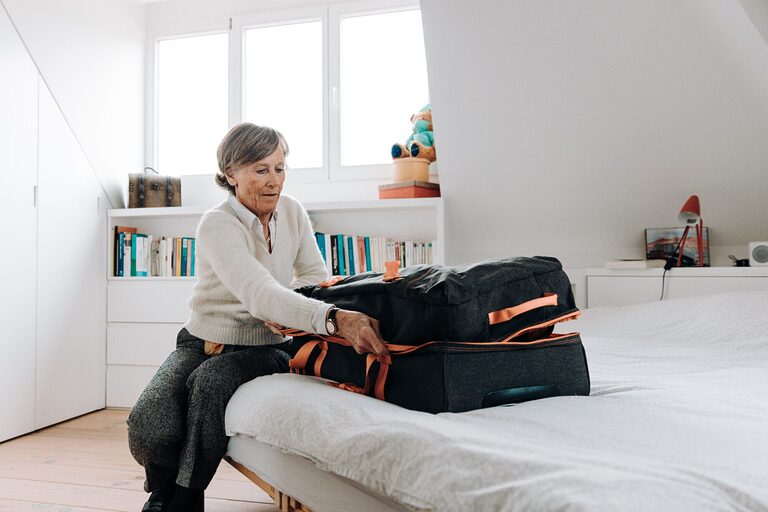
Getting older certainly does not mean slowing down when it comes to exploring the world. A well-prepared packing checklist for elderly travellers can make the difference between a smooth and enjoyable trip and one filled with unnecessary stress, discomfort or health scares. Whether you are heading off on a European river cruise or a long-haul flight to visit family, getting your packing right before you leave home is absolutely worth the effort.
Quick Overview: What Elderly Travellers Should Always Pack
For those who want a fast answer before reading the full guide, here are the non-negotiables:
- All prescription medications, clearly labelled and packed in carry-on luggage
- Copies of medical records, travel insurance documents and your passport
- Comfortable, supportive footwear suitable for walking on uneven surfaces
- A mobility aid if you use one, including a foldable walking stick or cane
- A small medical kit with plasters, pain relief and any personal health items
- Loose-fitting, breathable clothing appropriate for your destination’s climate
- A travel pillow, compression socks and any comfort items for long journeys
- Emergency contact information stored in your wallet and your phone
Essential Clothing and Footwear
When building your senior travel packing list, clothing choices matter more than most people think. The goal is to stay comfortable, avoid overheating and be prepared for changing weather.
Clothing tips:
- Pack layers rather than bulky items. A lightweight cardigan or zip-up fleece is far more versatile than a heavy jumper.
- Choose loose, breathable fabrics such as cotton or moisture-wicking blends. These are kinder on sensitive skin and keep you comfortable during long travel days.
- Bring at least one smart but comfortable outfit for dinners or cultural sites with dress codes.
- Avoid new or stiff clothing. Stick with items you have already worn and know are comfortable.
Footwear tips:
- Your shoes are possibly the most important item in your bag. Choose well-fitting, supportive shoes with non-slip soles.
- Avoid sandals with thin straps or shoes that require breaking in during a trip.
- Bring a pair of slip-on shoes for airport security and long-haul flights.
- Compression socks are worth packing for any flight over four hours to help with circulation.
Medication and Medical Kit Checklist
This is the area where preparation can genuinely protect your health. Forgetting medication abroad is one of the most common and most serious mistakes older travellers make. Medical travel essentials for seniors deserve their own dedicated list.
Medications to pack:
- All prescription medications, enough for your full trip plus a few extra days
- Keep medications in original packaging with pharmacy labels intact, especially for international travel
- Bring a written list of all your medications, including dosages and generic names in case you need a replacement abroad
- Store a duplicate supply in your checked luggage if you are flying, as a backup
Medical kit essentials:
- Plasters and wound dressings
- Pain relief such as paracetamol or ibuprofen
- Antidiarrhoeal tablets
- Antihistamines for allergies or insect bites
- A digital thermometer
- Any personal health items such as eye drops, hearing aid batteries or blood pressure monitors
- Hand sanitiser and a small supply of face masks
If you have a chronic condition such as diabetes or a heart condition, speak with your GP before travelling. Many doctors will provide a brief medical summary letter, which is invaluable if you need emergency care overseas.
Important Documents to Carry
Losing a document abroad is stressful at any age. For elderly travellers, having clear and accessible paperwork can also be a safety issue.
Documents checklist:
- Valid passport with at least six months remaining before expiry
- Travel insurance documents, printed and digital
- Visa documents if required for your destination
- Copies of prescriptions and a letter from your GP if you carry controlled medications
- Emergency contact list, including family members and your doctor at home
- Health insurance card or Medicare information if travelling in relevant countries
- Hotel booking confirmations and transport tickets
A practical tip many experienced travellers use is to photograph all documents and store them in a cloud folder. That way, even if your bag is lost, everything is accessible from any phone or computer.
Comfort and Mobility Items
This section is often overlooked but makes a significant difference to how you feel during and after travel. What to pack for seniors’ travel goes beyond clothing and medication.
Comfort items:
- Travel pillow for long flights or train journeys
- A lightweight blanket or pashmina for air-conditioned environments
- Noise-cancelling earphones or earplugs for better rest
- An eye mask for overnight travel
Mobility aids:
- Foldable walking stick or cane (notify your airline in advance)
- Portable seat cushion for long waits in airports or on coaches
- Slip-resistant grip socks for hotel rooms
- A lightweight rollator or travel wheelchair if required
If you use a mobility scooter, contact your airline or cruise line well in advance. Most will accommodate them but need prior notice to arrange storage and assistance.
Travellers who require mobility support may also benefit from learning about air travel assistance for senior citizens, including wheelchair services, airport escorts and priority boarding options that can make the journey significantly easier.
Carry-On vs Checked Luggage Tips
Getting your packing distribution right between carry-on and checked bags is part of any solid travel preparation checklist for over 60s.
Always keep in your carry-on:
- All medications and medical devices
- Passport and travel documents
- Valuables including cash and credit cards
- A change of clothes in case checked luggage is delayed
- Snacks, water and any comfort items for the journey
Packing a few essentials that support sleep and hydration can also help reduce travel fatigue, especially for those concerned about jet lag in older age, which often affects senior travellers more than younger passengers.
Safe to pack in checked luggage:
- Most clothing and shoes
- Toiletries in larger sizes
- Gifts or souvenirs purchased before you leave
- Non-essential items you will not need during transit
Aim to keep your carry-on bag light enough to manage independently. Many airports and cruise terminals have trolleys and assistance available, but it helps to not rely solely on others.
Carry-On vs Checked Luggage: Quick Comparison
| Item | Carry-On | Checked Bag |
| Medications | ✅ Always | Backup supply only |
| Passport and documents | ✅ Always | Never |
| Valuables and cash | ✅ Always | Never |
| Clothing | Change of clothes only | ✅ Main supply |
| Toiletries (large sizes) | No | ✅ Yes |
| Medical devices | ✅ Always | Never |
FAQ: Common Questions From Senior Travellers
Yes. Airlines are required to accommodate mobility aids. Notify the airline at least 48 hours before your flight and request assistance at the airport.
Always bring enough for your full trip plus five to seven extra days. Sourcing specific prescription medications abroad can be difficult and costly.
Absolutely. Medical costs abroad can be extremely high, particularly in the United States where a single hospital visit can run into tens of thousands of dollars. Look for a policy that covers pre-existing conditions.
Carry your GP’s contact details, a list of your medications and your travel insurance emergency number at all times. A medical ID card or wristband is also a smart option for travellers with chronic conditions.
Pack a basic one. Pharmacies may not stock exactly what you need and having essentials on hand from the start avoids early stress.
Final Thoughts
A bit of thoughtful preparation goes a long way. The elderly travel essentials covered in this guide are not about packing everything you own. They are about making sure you have what you actually need to stay healthy, comfortable and confident throughout your journey. Go through this list a few days before you travel, not the night before, so there is time to pick up anything you have missed.