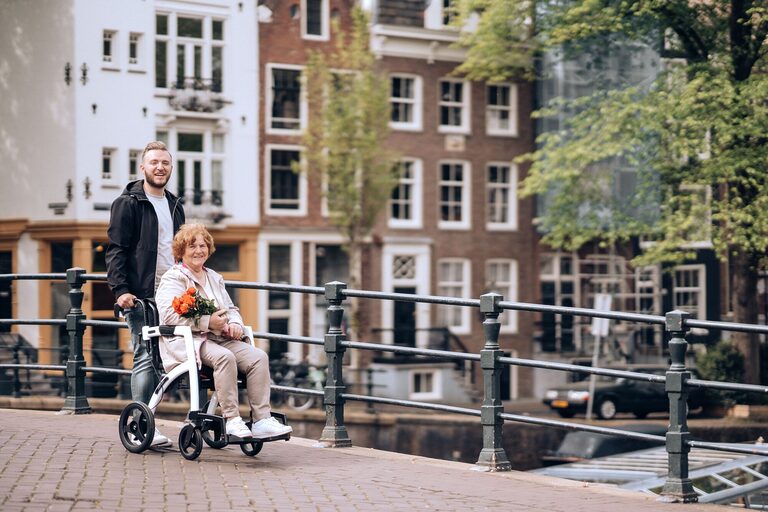
Travelling should feel exciting and comfortable for everyone but for many seniors and wheelchair users it often comes with uncertainty. Choosing the right destination makes a huge difference and this is where understanding wheelchair friendly cities becomes essential. Some cities are genuinely designed with accessibility in mind while others still have barriers that make travel tiring and complicated.
This guide focuses on helping senior tourists, wheelchair users, family caregivers and tour organisers choose destinations that are easier to navigate. You will find clear explanations, real world insights and practical tips that can help you plan smoother trips with fewer surprises.
Overview: What makes a city wheelchair friendly?
- Step free access in major transport systems and attractions
- Smooth pavements and well-maintained sidewalks
- Accessible hotels with adapted rooms and lifts
- Public transport that supports wheelchair boarding
- Attractions with ramps, elevators and priority assistance
- Clear signage and staff trained in accessibility support
- Availability of mobility rentals and accessible taxis
A truly wheelchair friendly city is not only about having ramps. It is about how consistently accessibility is integrated into daily travel experiences such as getting from the airport to the hotel, moving around tourist areas and entering attractions without difficulty.
Travellers comparing wheelchair accessible locations may also find it helpful to explore some of the best holiday destinations for elderly travellers, especially when looking for places that combine accessibility, comfort and senior-friendly services.
What defines a wheelchair friendly city?
A city becomes accessible when it removes physical and practical barriers that limit movement. The best accessible cities tend to have long term urban planning that considers everyone including seniors and people with limited mobility.
Here are the key elements to look for:
Step free infrastructure
A proper step free city ensures that travellers can move from one place to another without encountering stairs as the only option. This includes:
- Step free metro stations or lifts in stations
- Curb cuts at crossings
- Ramps at public buildings
Reliable accessible transport
A strong indicator of a mobility friendly destination is inclusive transport. This means:
- Low floor buses with wheelchair space
- Trains with boarding assistance
- Accessible taxis or ride services
Inclusive tourism services
Hotels, museums and attractions should offer:
- Wheelchair accessible entrances
- Wide corridors and lifts
- Accessible toilets
- Staff trained in mobility assistance
Top wheelchair friendly cities with full accessibility
Some cities consistently rank as leaders in accessibility due to strong infrastructure and government support.
London, United Kingdom
London is one of the most recognised wheelchair accessible cities in Europe. Many underground lines have step free access and buses are fully wheelchair friendly.
Highlights:
- Large network of step free stations
- Accessible black cab taxis
- Major attractions like the British Museum and Tower of London offer full access
Travel tip: Always check the Transport for London journey planner for step free routes before heading out.
Tokyo, Japan
Tokyo is often praised for its clean, efficient and highly organised accessibility systems.
Highlights:
- Almost all train stations have elevators
- Staff are trained to assist wheelchair users
- Accessible hotels are widely available
Travel tip: Station staff can place portable ramps at train doors within minutes so do not hesitate to ask for help.
Singapore
Singapore is one of the most mobility friendly destinations in Asia with smooth pavements and modern infrastructure.
Highlights:
- Fully accessible MRT system
- Wide pedestrian paths with ramps
- Attractions like Gardens by the Bay are fully step free
Travel tip: The heat can be intense so plan indoor breaks in air-conditioned malls which are also highly accessible.
Barcelona, Spain
Barcelona combines tourism with accessibility planning in many major areas.
Highlights:
- Accessible beaches with mobility mats and beach wheelchairs
- Metro stations with lifts in central areas
- Many museums and parks are wheelchair friendly
Travel tip: Stick to central districts like Eixample for easier navigation.
Amsterdam, Netherlands
Amsterdam is compact and increasingly inclusive, making it easier for senior travel groups.
Highlights:
- Low floor trams and buses
- Many museums with lifts and ramps
- Flat terrain ideal for wheelchair users
Travel tip: Canal areas can be tricky due to cobblestones so plan smoother routes in advance.
Public transport accessibility guide
Transport can make or break your travel experience. Even in well-developed cities, systems vary in accessibility.
What to check before travelling?
- Does the metro system have lifts at all stations
- Are buses low floor with designated wheelchair spaces
- Can taxis accommodate wheelchairs
- Is assistance available at airports and train stations
Practical advice
Always download the city transport app before arrival. Many modern systems now include accessibility filters that allow you to plan step free routes in real time.
Attractions with step free access
Even in the most wheelchair friendly cities, not every attraction is fully accessible. Planning ahead is key.
Look for:
- Museums with lift access to all floors
- Modern observation decks with ramp access
- Parks with paved paths
- Guided tours that include mobility friendly routes
Real world example: In Paris, the Louvre has full lift access in most sections but some historic buildings nearby may still have limited entry options so pre booking accessibility tours is helpful.
Tips for travelling across countries with mobility needs
Travelling internationally with mobility requirements is absolutely possible with the right preparation.
Before departure, reviewing practical health tips for elderly travellers can help seniors stay comfortable during long journeys and better manage medications, hydration and energy levels while travelling.
1. Pre book everything
Always book:
- Accessible hotel rooms
- Airport assistance services
- Wheelchair accessible transfers
2. Travel light but smart
Carry:
- Spare wheelchair parts if needed
- Portable cushion for long journeys
- Medical documents and prescriptions
3. Choose destinations wisely
Focus on mobility friendly destinations with proven infrastructure rather than relying on assumptions from travel brochures.
4. Use accessibility maps
Many cities now provide official accessibility maps that highlight ramps, lifts and accessible toilets.
Common mistakes to avoid
- Assuming all modern cities are fully accessible
- Not checking transport station accessibility in advance
- Booking hotels without confirming room specifications
- Over planning daily schedules without rest breaks
Frequently Asked Questions
Wheelchair friendly cities are destinations designed to support easy movement for people using wheelchairs or with limited mobility. These cities usually provide step free access in transport systems, accessible hotels and attractions with ramps or lifts.
Some of the most reliable wheelchair accessible cities include London, Tokyo, Singapore, Barcelona and Amsterdam. These places are known for strong transport systems, accessible attractions and good infrastructure for mobility needs.
Look for official accessibility information from transport websites and tourism boards. Check if there are step free metro stations, accessible buses, wheelchair friendly taxis and attractions with ramps or lifts.
In most mobility friendly destinations, public transport is generally reliable but not always fully accessible in every area. It is best to plan routes in advance using transport apps that show step free options.
Yes, it is highly recommended. Booking accessible hotel rooms, airport assistance and wheelchair friendly transfers in advance helps ensure a smoother and more comfortable travel experience.
Final thoughts
Choosing the right destination is the most important step in planning a smooth and enjoyable trip. The best wheelchair friendly cities are those that combine infrastructure, transport and tourism accessibility into a seamless experience. Cities like London, Tokyo, Singapore, Barcelona and Amsterdam show that inclusive travel is not only possible but increasingly becoming the standard.
With the right preparation and awareness, senior travellers and wheelchair users can explore the world with confidence and comfort.