Solo travel is one of the most rewarding things you can do for yourself. But if you’ve never done it before, figuring out how to plan your first solo trip can feel genuinely overwhelming. Where do you even start? What if something goes wrong? How do you know if you’ve chosen the right destination? These are completely normal questions and the good news is that planning a solo trip is far more manageable than it looks once you break it down into clear, logical steps.
This guide walks you through the entire process, from choosing your destination to managing your budget and building your itinerary. Whether you’re travelling alone for the first time or finally committing to that solo adventure you’ve been putting off, this is the roadmap you need.
Overview: Planning Your First Solo Trip at a Glance
For those who want the quick version before diving deeper, here’s what the planning process looks like:
- Choose a beginner-friendly destination that suits your comfort level and interests
- Set a realistic budget including flights, accommodation, food, activities and an emergency fund
- Sort your travel documents early: passport, visa requirements and travel insurance
- Book your flights and accommodation in advance, especially for peak season travel
- Build a flexible itinerary that gives you structure without boxing you in
- Prepare for safety by researching your destination, sharing your plans with someone at home and knowing emergency contacts
- Pack light and smart because travelling alone means carrying everything yourself
Step 1: Choose the Right Destination for a First-Time Solo Traveller
Your destination sets the tone for your entire experience. For a first solo trip, the goal is to challenge yourself without overwhelming yourself.
Travelling solo for the first time works best when you pick somewhere with reliable infrastructure, a degree of English spoken locally and a reputation for being welcoming to independent travellers. This doesn’t mean you need to play it completely safe, but it does mean being honest with yourself about your comfort level.
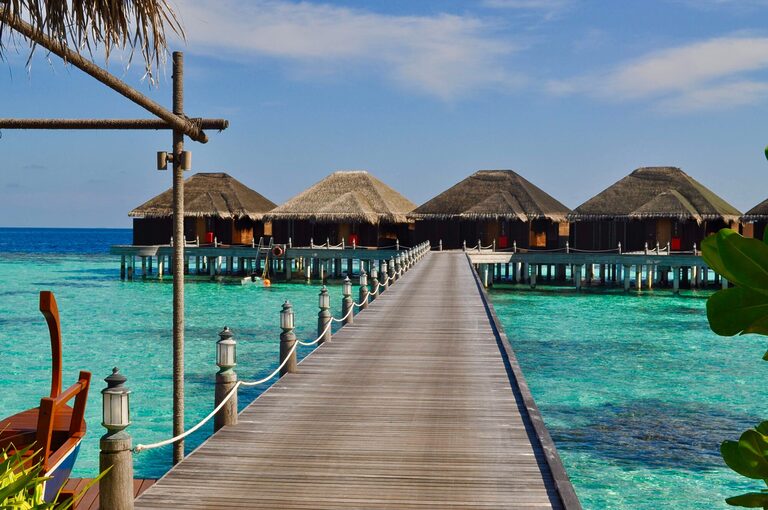
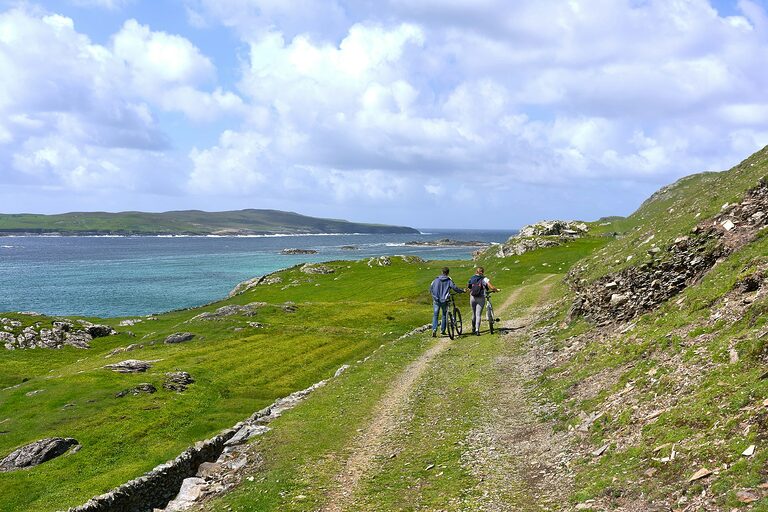
Some of the most consistently recommended solo travel best destinations for beginners include Japan, Portugal, New Zealand, Costa Rica and Thailand. Japan, in particular, is remarkably safe, clean and easy to navigate even without speaking the language. Portugal offers incredible value for money, a slow pace of life and locals who are warm and helpful. New Zealand is ideal if you love the outdoors and want a very low-stress introduction to solo travel alone holidays.
If budget is a priority, Southeast Asia remains one of the travel alone best destinations in the world. Countries like Vietnam, Thailand and Cambodia offer extraordinary experiences at a fraction of what you’d spend in Europe or North America. Expect to get by comfortably in Vietnam on $40 to $60 USD per day, including accommodation, food and local transport.
Avoid the common mistake of choosing a destination because it sounds impressive rather than because it genuinely suits you. A solo trip to a country with significant language barriers, limited tourist infrastructure or complex visa requirements is better saved for when you’ve got a few trips under your belt.
If you are still weighing up your options, our guide to best solo travel destinations explores beginner-friendly countries, safety considerations and what makes each destination worth visiting.
Step 2: Set a Realistic Budget
Money stress can ruin any trip, so getting your budget sorted early is essential. The total cost of your solo trip will depend heavily on your destination, travel style and how long you’re going for, but there are some universal principles worth knowing.
Key budget categories to plan for:
- Flights: This is usually your biggest single expense. Book at least six to eight weeks in advance for the best prices and be flexible with your travel dates if you can. Tools like Google Flights and Skyscanner make it easy to spot cheaper windows.
- Accommodation: Solo travellers often pay more per night because there’s no one to split the cost with. Budget hotels, guesthouses and hostels are the practical solution. Hostels in particular are excellent for solo travellers because they offer social spaces and the opportunity to meet other travellers. A decent private room in a hostel in Southeast Asia might cost you $15 to $30 USD per night; in Western Europe, expect $50 to $100 USD.
- Daily spending: Food, local transport, entrance fees and activities. Research your destination’s average daily cost beforehand. A useful rule of thumb is to estimate a daily budget, then add 20% for the unexpected.
- Travel insurance: Non-negotiable. A quality policy covering medical emergencies, trip cancellation and lost luggage will cost between $50 and $150 USD for a two-week trip depending on destination and coverage level. The peace of mind is worth every cent.
- Emergency fund: Keep a separate $200 to $300 USD buffer that you do not touch unless something genuinely goes wrong. Missed connections, medical co-pays and replacing a lost card all cost money.
A practical example: A two-week solo trip to Thailand, including return flights from the UK, accommodation, food, activities and insurance, can be done for roughly $1,800 to $2,500 USD if you travel thoughtfully.
Step 3: Sort Your Documents and Practicalities
Before you book anything, check the basics.
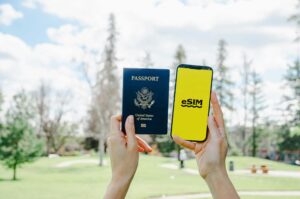
Ensure your passport is valid for at least six months beyond your return date, as many countries require this. Check visa requirements for your destination through the official government website or the destination country’s embassy page. Some countries offer visa-on-arrival or electronic travel authorisations that are quick and inexpensive; others require advance applications that can take weeks.
Get your travel insurance sorted at the same time you book your flights. Read the policy properly rather than just clicking through. Make note of what is and isn’t covered and understand the claims process.
Set up your bank for international use. Notify your bank of your travel dates and consider getting a travel-friendly account or card with low foreign transaction fees. Cards like Wise or Revolut have saved solo travellers considerable amounts in fees and exchange rate losses.
Step 4: Book Your Flights and Accommodation
Once your destination and budget are confirmed, start booking. For first-time solo travellers, booking your first two to three nights of accommodation in advance is strongly advisable. Arriving somewhere new without any idea of where you’re staying adds unnecessary stress.
For flights, use flight comparison tools to identify the best value, but always book directly with the airline where possible. This makes any changes or issues far easier to resolve.
For accommodation, consider a mix, start with a hostel or guesthouse to meet other travellers, then perhaps move to a private room once you’ve found your feet. Read recent reviews carefully, paying attention to comments about safety, cleanliness and the helpfulness of staff.
If you are unsure where to stay, our guide on how to choose accommodation for solo travel can help you compare hostels, hotels and guesthouses based on your budget, comfort level and travel style.
Step 5: Build Your Itinerary (Without Over-Planning)
One of the most common mistakes first-time solo travellers make is either planning every single hour or planning nothing at all. Both approaches tend to end in frustration.
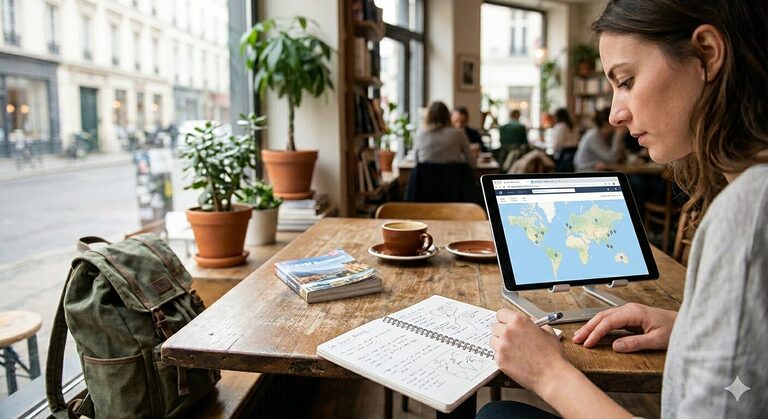
A good itinerary for travelling alone gives you an anchor each day without rigidly dictating every move. Start by identifying the two or three things you most want to do or see at each destination, then plan loosely around those. Leave space for wandering, unexpected recommendations and simply sitting in a café and watching the world go by.
Consider the following structure for each day:
- One main activity or sight that you’ve pre-researched
- One local meal at a place you’ve identified from reviews or recommendations
- Free time for spontaneous exploration
Build in at least one full rest day for every week of travel. Solo travel is brilliant, but it can be mentally tiring without any downtime. You’ll enjoy the trip far more if you’re not exhausted.
For longer trips, consider a loose thematic structure. Spend the first few days getting comfortable in one place before moving around. Avoid trying to visit too many locations in too short a time, as the resulting travel fatigue significantly reduces how much you actually enjoy any of them.
Step 6: Prepare for Safety and Staying Connected
Safety is a practical matter rather than a reason to avoid solo travel. The vast majority of solo trips go entirely without incident, but preparation makes the difference.
Share your itinerary with someone you trust at home. This doesn’t need to be exhaustive, just a basic outline of where you’ll be and when, along with your accommodation details.
Research your destination’s common scams and petty theft hotspots before you go. This information is freely available through travel forums and government travel advisory pages.
Keep digital and physical copies of your important documents: passport, insurance policy, visa and emergency contact numbers. Store them in a separate location from the originals.
Buy a local SIM card on arrival or ensure you have a working international data plan. Staying connected means you can navigate, communicate and access help when you need it.
Comparison: Solo Travel Planning Checklist by Stage
| Stage | What to Do | Timeframe |
| Early planning | Choose destination, set budget, check passport/visa | 2 to 3 months before |
| Booking | Flights, insurance, first accommodation | 6 to 8 weeks before |
| Preparation | Notify bank, plan itinerary, download offline maps | 2 to 4 weeks before |
| Final checks | Pack, share itinerary, confirm bookings | 1 week before |
| On arrival | Get local SIM, locate accommodation orient yourself | Day one |
Frequently Asked Questions
Yes, with sensible preparation. Research your destination, trust your instincts, stay connected and share your plans with someone at home.
It depends heavily on destination and duration. A two-week trip to Southeast Asia can be done on $1,500 to $2,000 USD. Western Europe or North America will cost considerably more.
Book your flights, travel insurance and first few nights of accommodation in advance. Leave the rest flexible.
Japan, Portugal, New Zealand and Thailand consistently top the lists for safety, accessibility and ease of navigation.
Absolutely. Solo travellers are particularly vulnerable to travel disruptions because there’s no travel companion to help sort problems. Insurance is one of the most important purchases you’ll make.
A Final Word
Planning your first solo trip is largely a process of breaking something big into smaller, manageable pieces. Start with destination, build your budget, sort the paperwork, book the essentials and then let the details fill in around that framework. Once you’ve done it once, you’ll wonder why it ever felt so daunting.
Solo travel has a way of changing how you see both the world and yourself. The planning is simply the first step.