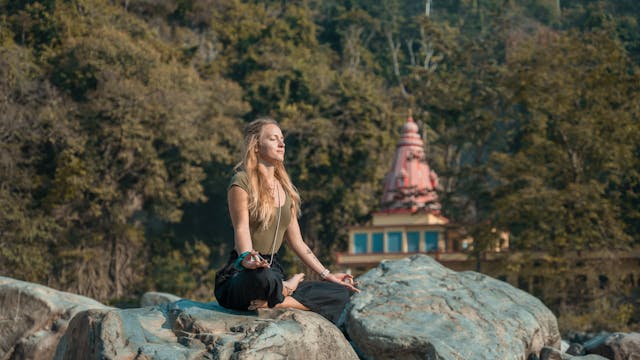
Wellness travel has become one of the most meaningful ways to explore the world while restoring balance in both body and mind. Unlike traditional holidays focused on sightseeing and activity, wellness travel prioritises rest, healing and self-discovery.
From yoga retreats in serene mountain settings to meditation escapes by the ocean, travellers are increasingly seeking experiences that help them slow down, reset and reconnect with themselves.
This guide explores the essence of wellness travel, what to expect at retreats, a real travel scenario and how ancient healing systems like Ayurveda can deepen your journey.
What is Wellness Travel?
Wellness travel refers to trips designed to improve physical health, mental clarity and emotional wellbeing. It often includes activities such as:
- Yoga and breathwork sessions
- Guided meditation and mindfulness practices
- Spa treatments and holistic therapies
- Nature immersion and digital detox programmes
- Nutrition-focused meals and cleansing diets
It is not only about relaxation but also about long-term lifestyle transformation.
Types of Wellness Travel Experiences
Yoga Retreats
Yoga retreats are structured programmes where travellers practise yoga daily, often combined with meditation and healthy eating. These retreats can be found in peaceful destinations such as Bali, India, Thailand and coastal Europe.
Meditation Retreats
Meditation retreats focus on stillness and mental clarity. Many follow silent retreat formats where participants avoid speaking to deepen awareness and inner peace.
Healing and Spa Retreats
These retreats offer massages, hydrotherapy, sound healing and energy work to help release stress and physical tension.
Nature Based Wellness Escapes
These experiences take place in forests, mountains or islands where travellers reconnect with nature through hiking, forest bathing and outdoor mindfulness practices.
Those looking for inspiration can explore some of the top wellness retreats for solo travellers, many of which combine yoga, mindfulness and immersive wellness experiences in serene natural settings.
Travel Scenario: A Week in a Wellness Retreat
Imagine arriving at a peaceful retreat centre surrounded by rice fields and soft morning mist. Your day begins with sunrise yoga followed by herbal tea and a nourishing breakfast.
Mid-morning is reserved for meditation where silence allows you to observe your thoughts without distraction. After lunch you may join a workshop on mindfulness or take time to rest in nature.
Evenings are calm with gentle stretching, journaling and group reflection before a light dinner made from fresh local ingredients.
By the end of the week, travellers often report improved sleep, reduced stress and a stronger sense of clarity and emotional balance.
Ayurveda and Holistic Healing in Wellness Travel
Ayurveda is one of the world’s oldest holistic healing systems originating from India. It focuses on balancing the body’s energies through diet, lifestyle, herbal treatments and detox practices.
Many wellness retreats now include Ayurvedic programmes that help cleanse the body and restore internal harmony. One of the most transformative experiences is a structured detox retreat that guides participants through a day-by-day healing process.
You can learn more about this process through this detailed guide on Ayurveda Panchakarma treatment in Rishikesh.
Ayurveda based wellness travel is ideal for those seeking deeper restoration beyond relaxation, especially for stress recovery, digestive balance and emotional clarity.
Benefits of Wellness Travel
Wellness travel offers more than just a temporary escape. Many travellers experience lasting benefits such as:
- Reduced stress and anxiety
- Improved sleep quality
- Better emotional awareness
- Increased energy levels
- Healthier lifestyle habits
- Greater mental clarity
It also encourages a slower pace of living that can be carried into everyday life after the trip ends.
For many travellers, the experience extends beyond relaxation, with the benefits of solo travel for mental health often including greater self-awareness, improved confidence and reduced feelings of stress.
Who Should Try Wellness Travel?
Wellness travel is suitable for:
- Busy professionals experiencing burnout
- Individuals seeking emotional healing
- Beginners interested in yoga or meditation
- Travellers looking for meaningful experiences
- Anyone wanting a break from digital overload
You do not need prior experience in yoga or meditation to join most retreats as programmes are designed for all levels.
How to Choose the Right Wellness Retreat?
When selecting a retreat, consider the following:
- Location and natural environment
- Type of programme offered
- Level of structure or flexibility
- Qualifications of instructors
- Accommodation and food style
- Reviews from past participants
Choosing the right retreat ensures your experience matches your personal wellness goals.
Frequently Asked Questions
Comfortable clothing, a reusable water bottle, personal toiletries and light layers for yoga sessions are usually recommended.
No. Most wellness retreats welcome beginners and provide guided instruction for all levels.
Prices vary depending on location and duration. Some are budget-friendly, while luxury retreats can be more premium.
Some retreats allow limited connectivity while others encourage a full digital detox.
A short retreat can last 3 to 5 days while deeper healing programmes may last 7 to 14 days or longer.
Wellness travel is more than a holiday. It is a conscious decision to prioritise health, peace and inner balance while exploring new places. Whether through yoga in nature, silent meditation or Ayurveda based healing, these experiences offer a powerful reset for both body and mind.
As travellers continue to seek more meaningful journeys, wellness retreats are becoming one of the most rewarding ways to explore the world while reconnecting with oneself.