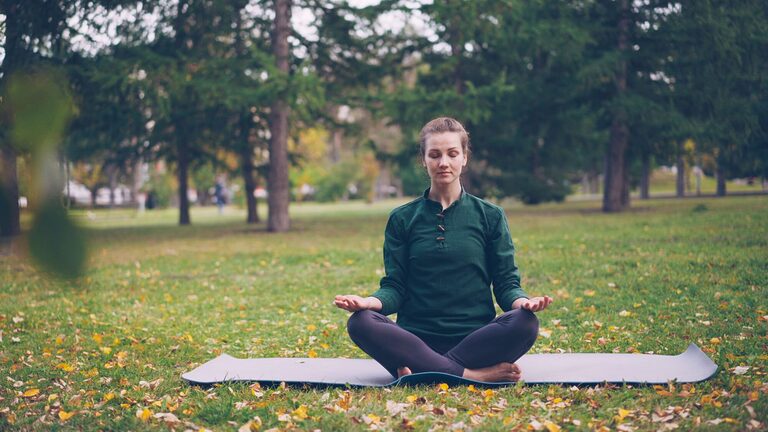
If you have ever found yourself staring at a screen at 10pm, mentally drained and wondering when you last did something purely for yourself, you are not alone. Wellness retreats for solo travellers have surged in popularity over the past decade and it is easy to see why. Whether you are recovering from burnout, navigating a life transition or simply craving stillness, a dedicated wellness escape can do more than a two-week beach holiday ever could.
This guide covers the best types of retreats available, what to expect, where to go and how much it will realistically cost you.
Overview: Quick Answers
- What are wellness retreats for solo travellers? Structured getaways focused on rest, healing and self-care, designed for individuals travelling without a companion.
- Best types: Yoga retreats, silent meditation retreats, spa and thermal bath getaways, digital detox programmes and holistic health retreats.
- Top destinations: Bali (Indonesia), Tuscany (Italy), Chiang Mai (Thailand), Costa Rica and the Algarve (Portugal).
- Average cost: Budget options from around $500 per week, mid-range from $1,000 to $2,500 and luxury from $3,000 and upward.
- Solo-friendly? Yes. Most wellness retreats are specifically designed for individuals and many attract solo attendees by default.
- Best for: Burnt-out professionals, people seeking mental clarity, solo travellers wanting structured but restful itineraries.
Why Wellness Travel is Different from a Regular Holiday?
A standard holiday can be wonderful, but it rarely addresses the deeper need for restoration. You can spend a week in a beautiful city and still come home exhausted. Wellness travel is intentional. It asks you to slow down, disconnect from routine and engage in practices that genuinely restore your nervous system.
Travel therapist and burnout coach Sarah Napthali has noted in her work with clients that a week at a structured retreat often achieves more psychological reset than three weeks of passive relaxation. The reason is simple: when your environment removes the triggers of stress, your body and mind can finally catch up.
For solo travellers in particular, wellness retreats offer an additional benefit. You arrive on your own terms, follow your own pace and are not managing anyone else’s preferences or energy levels. Many guests report that solo travel to a retreat is the first time they have felt fully present in years.
Many of these experiences also reflect the long-term benefits of solo travel for mental health, helping travellers return home with greater confidence, emotional clarity and a healthier perspective on everyday life.
Yoga Retreats: Movement, Breath and Community
Yoga retreats are among the most popular wellbeing holidays for solo travellers and the range available is genuinely impressive. You can choose from dynamic Vinyasa programmes in the Costa Rican jungle, gentle Yin Yoga in a Balinese rice paddy or Ashtanga intensives on a cliffside in Greece.
What a typical day looks like:
- Morning: Sunrise yoga session, breathwork or pranayama practice
- Midday: Healthy communal meals, free time for reflection or swimming
- Afternoon: Workshop, massage, journalling or hiking
- Evening: Restorative yoga, meditation or a group sharing circle
One well-known option is the Desa Seni resort in Canggu, Bali. This eco-resort offers week-long yoga retreats from around $1,400 per person in a shared room, including meals and daily classes. Bali consistently ranks as one of the top solo travel locations for wellness precisely because it combines affordability with genuine spiritual culture. The island’s Hindu traditions and the prevalence of local healers and practitioners give even mainstream retreats a more authentic edge.
In Central America, Blue Osa Yoga Retreat in Costa Rica offers all-inclusive packages from approximately $2,000 per week, including three meals a day and twice-daily yoga in an open-air studio surrounded by wildlife.
If budget is a concern, Chiang Mai in Thailand is arguably the most accessible of all destinations for solo travellers seeking yoga and wellness on a tighter budget. You can find week-long programmes for as little as $500, including accommodation, meals and daily yoga classes.
Meditation and Mindfulness Retreats: Going Deeper
For travellers who want to go beyond physical practice, meditation retreats offer a level of inner quiet that most people rarely access in ordinary life. Silent retreats in particular, such as those offered through the Vipassana network, are completely free of charge and operate on donation. These ten-day programmes exist across the globe, from India and Thailand to the United States and the UK and they are a genuinely transformative experience for those willing to commit to silence.
That said, silent retreats are not for everyone, especially first-timers. A more gradual entry point might be a mindfulness-based stress reduction (MBSR) retreat, where guided sessions are structured but not demanding. Centres like the Plum Village Monastery in southwest France, founded by Thich Nhat Hanh, offer immersive mindfulness retreats from around $70 to $100 per day on a sliding scale. Solo attendees make up a significant proportion of guests and the community atmosphere removes any sense of awkwardness about arriving alone.
For a more luxurious meditation experience, Como Shambhala Estate in Ubud, Bali is regularly cited as one of the finest retreat destinations in the world. Packages begin at approximately $3,500 per week and include daily consultations, personalised wellness programmes and access to some of the most talented meditation teachers in Southeast Asia.
Spa and Thermal Wellness Retreats: Rest as a Practice
Not every wellness escape needs to be a structured programme. Sometimes, what your body needs most is warmth, water and silence. Europe’s thermal spa culture is one of the most underrated retreat options for solo travellers.
Top spa and thermal destinations:
- Baden-Baden, Germany: Historic Roman-Irish thermal baths at Friedrichsbad from around $45 per session, combine with a stay at Brenners Park Hotel for a full spa week from $2,800.
- Saturnia, Tuscany (Italy): Natural hot springs open to the public free of charge, the surrounding agriturismo stays range from $100 to $200 per night.
- The Algarve, Portugal: A growing wellness corridor with a range of thalassotherapy (seawater therapy) centres along the Atlantic coast, the day spa passes from around $60.
- Pamukkale, Turkey: UNESCO World Heritage thermal pools with guesthouses from under $50 per night.
These destinations work particularly well as travel alone best destinations because they require no social participation. You can simply arrive, immerse yourself and leave. There is no schedule to follow and no group to keep up with.
Comparison Table: Wellness Retreat Types at a Glance
| Retreat Type | Best For | Ideal Location |
| Yoga Retreat | Active rest, community, flexibility | Bali, Thailand, Costa Rica |
| Meditation/Mindfulness | Mental clarity, emotional reset | India, France, Bali |
| Spa and Thermal | Passive relaxation, physical recovery | Europe, Turkey |
| Digital Detox | Tech burnout, reconnection | Costa Rica, Portugal |
| Holistic Health | Nutrition, sleep, whole-body wellness | Switzerland, Sri Lanka |
Tips for Booking a Wellness Retreat as a Solo Traveller
- Read the solo traveller policy. Some retreats offer single-supplement rooms while others automatically mix solo guests in shared accommodation. Know what you are paying for.
- Check the ratio of solo guests. Many retreat centres will tell you upfront. A programme with 70% solo attendees will feel very different to one designed around couples.
- Look for free time in the schedule. Over-scheduled retreats can become exhausting. A good programme balances structured sessions with unstructured hours.
- Ask about dietary accommodation. Proper nutrition is central to any wellness retreat. Confirm that your dietary needs are genuinely supported, not just tolerated.
- Start with a short programme. A three to four day retreat is a sensible entry point if you have never attended one before. A week-long or ten-day programme is a significant commitment.
If this will be your first independent journey, following a step-by-step guide to planning your first solo trip can help you organise everything from transport and accommodation to travel insurance before booking your retreat.
FAQ: Wellness Retreats for Solo Travellers
Not at all. The majority of retreats for solo travellers attract a high proportion of individual guests. Most people arrive alone and leave with meaningful connections. The shared nature of activities, meals and free time creates a natural social environment without any pressure.
No. Most retreats are open to all levels. Always check the programme description, but beginners are explicitly welcomed at the vast majority of wellness centres.
For many people, the value becomes clear quickly. A week that genuinely resets your nervous system, improves your sleep and gives you a fresh perspective is difficult to put a price on. That said, high cost does not always equal high quality. Some of the most profound retreat experiences are among the most affordable.
Comfortable, modest clothing for yoga and movement, a journal, any personal medications and minimal technology. Most retreats provide yoga mats, towels and any specialist equipment needed.
Yes. A growing number of operators focus specifically on wellbeing holidays for solo travellers who are women, offering female-only programmes with added safety considerations and a carefully curated group dynamic. Companies such as Soulful Escapes and Wild Women Expeditions are worth exploring.
Final Thoughts
Whether you spend a week in silent meditation in rural France, practise yoga at sunrise overlooking Bali’s terraced fields or soak in natural thermal springs in Tuscany, a wellness retreat has the potential to genuinely change the way you feel. The key is choosing the right type of experience for where you are right now, not where you think you should be.
The best wellness retreats for solo travellers are not about achieving a specific outcome. They are about giving yourself permission to stop, breathe and take up space in your own life again. That, in itself, is worth every kilometre.