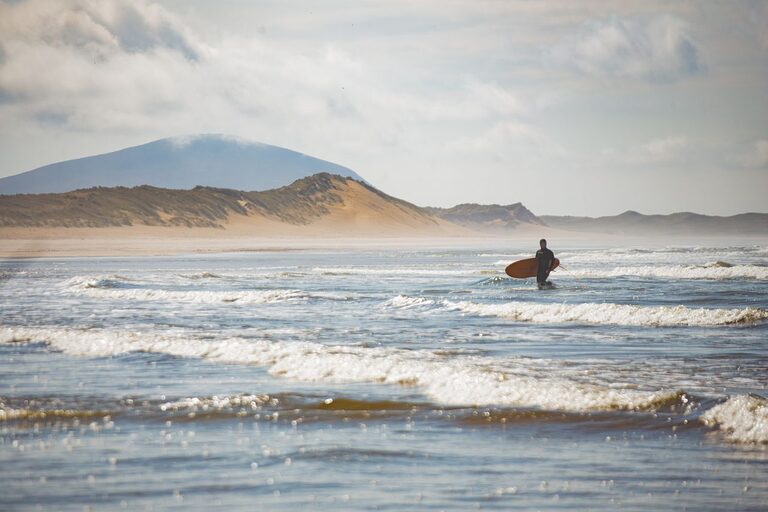
The end of a marriage is one of the most emotionally exhausting experiences a person can face. It disrupts your sense of identity, your daily routines and your vision of the future. Yet for many people, the answer to this kind of pain has been found not in staying still, but in moving. The divorce travel meaning and benefits go far beyond simply taking a holiday. For recently divorced individuals, getting on a plane or hitting the road can be one of the most powerful tools for emotional recovery and personal reinvention.
Overview
- Divorce travel refers to intentional travel taken after the end of a marriage, focused on healing and self-rediscovery
- It carries proven psychological benefits including reduced stress, improved self-confidence and a renewed sense of purpose
- New environments physically remove you from the daily triggers that keep you emotionally stuck
- Many people fear travelling alone after divorce but find it far more manageable and rewarding than expected
- You do not need to travel far or spend a great deal of money to begin your healing journey
What Is Divorce Travel?
Divorce travel is not simply a trip to distract yourself. It is a deliberate act of self-care. The term refers to travel taken specifically during or after the process of separation, with the intention of supporting emotional recovery and personal growth. Think of it as a healing holiday after a breakup, designed entirely around your needs and your pace.
Unlike a traditional holiday where the goal is relaxation or sightseeing, divorce travel is about space. Space to grieve, to reflect, to breathe and to begin rebuilding. Some people choose a quiet retreat in the countryside, others book a solo adventure across Southeast Asia and some simply take a week away in a city they have always wanted to explore.
Psychological Benefits of Travelling After Divorce
The psychological case for travel after divorce is well supported. Research from the Journal of Positive Psychology found that people who engaged in novel experiences reported higher levels of wellbeing and positive emotion. Travel, by its nature, is full of those moments.
Here is what tends to happen when you travel after a major life upheaval:
- Stress hormones reduce. New surroundings and fresh routines lower cortisol levels, giving your nervous system a genuine break from sustained emotional strain.
- Your identity expands. Without your usual roles and relationships around you, you start to reconnect with who you are outside of the marriage.
- You build quiet confidence. Navigating a new city ordering food in a different language or simply managing a trip on your own sends a clear message to yourself that you are capable.
- Perspective shifts naturally. When you step out of your everyday environment, the problems that felt all-consuming begin to feel more manageable.
- New memories replace old ones. Emotional recovery travel works in part because it gives your mind fresh material to focus on rather than continually replaying painful ones.
A study supported by the Global Coalition on Ageing found that regular travel was linked to lower rates of depression and anxiety. For someone navigating the aftermath of divorce, those findings are particularly worth noting.
How New Environments Support Emotional Healing?
There is a reason therapists often recommend a change of scenery. Your home, your town and your regular routines are filled with reminders of your former relationship. The restaurant you used to visit together, the Sunday morning routine, the side of the bed. These everyday triggers can make emotional recovery feel almost impossible when you never step away from them.
Travel removes you from that environment, even temporarily. It creates what psychologists call a “pattern interrupt” and breaks the cycle of habitual emotional responses.
Bali is one of the most popular destinations for emotional recovery travel after a breakup or divorce. The combination of spiritual culture, affordable retreats (many starting from around $40 per night), warm local communities and natural beauty makes it particularly welcoming for solo travellers in transition. Ubud, in particular, has developed an almost informal reputation as a place where people go to reset their lives. It is no coincidence that Elizabeth Gilbert chose to set her famous period of self-discovery there in Eat, Pray, Love, a book that resonated deeply with millions of divorced readers around the world.
That said, you do not have to go to Bali. The principle applies anywhere. A week by the coast, a long weekend in a new city or a solo camping trip all offer the same core benefit. Distance from what was and room for what comes next.
Common Fears About Travelling Alone After Divorce
It is completely natural to feel nervous about the idea of solo travel, especially if you have spent years as part of a couple. Here are the most common fears and what tends to actually happen:
| Fear | What Usually Happens |
| “I will feel lonely the whole time” | Most solo travellers report meeting more people than they expected |
| “It is not safe to travel alone” | Millions of solo travellers navigate the world safely every year with basic precautions |
| “I cannot afford it right now” | Budget travel, short breaks and mid-range options make it far more accessible than assumed |
| “I am too old to start travelling solo” | Solo travel has no age limit; many first-timers are over 50 and find it life-changing |
| “I will just end up feeling worse” | The vast majority of people report feeling noticeably better within a few days of arrival |
The benefits of solo travel are well documented and the divorce travel community, which has grown significantly across social platforms in recent years, is full of people who had these exact fears and went anyway.
One of the biggest concerns is feeling isolated while travelling alone, particularly during the early stages of recovery. Learning how to handle loneliness after divorce can make solo travel feel less intimidating and help you approach new experiences with greater confidence.
Practical Ways to Start Your Healing Journey
You do not need to book a round-the-world ticket to begin. These practical steps can help you ease into travel after divorce:
- Start small. A two or three-night trip somewhere nearby gives you a genuine taste of travelling alone without feeling overwhelming.
- Choose somewhere that excites rather than triggers. In the early stages, avoid places strongly associated with your ex or your marriage.
- Consider a small group tour. You can choose operators that offer itineraries designed with solo travellers in mind, which takes the edge off the loneliness factor without sacrificing independence.
- Build in downtime. A healing holiday after a breakup should not be an exhausting itinerary. Give yourself permission to do nothing.
- Write it down. Journalling during your trip can help you process emotions and notice how your perspective shifts day by day.
- Set a loose intention. You do not need a rigid plan but having a general sense of what you want from the trip, whether that is rest, adventure or simply getting through it, gives your journey a sense of purpose.
FAQ: Divorce Travel and Healing
There is no universal timeline. Some people benefit from travelling straight away to create physical and emotional distance. Others need a few months to stabilise before they feel ready. Listen to your own needs rather than following a rule someone else has set.
It depends entirely on your personality. Introverts often prefer quiet retreats or nature-based trips. Extroverts tend to enjoy culturally rich cities or group experiences. The best trip is one that feels aligned with who you are now, not who you were as part of a couple.
Not at all. Hostels, budget airlines, slow travel and short breaks all make divorce travel healing accessible on a modest income. Southeast Asia, Eastern Europe and Central America offer outstanding value for solo travellers at practically every price point.
Travel is not a substitute for qualified mental health support. It can, however, be a powerful complement to therapy. Many people find that combining counselling with travel therapy after divorce creates opportunities for reflection, personal growth and emotional healing that are harder to achieve within familiar surroundings. The change of environment often reinforces the progress being made through professional support.