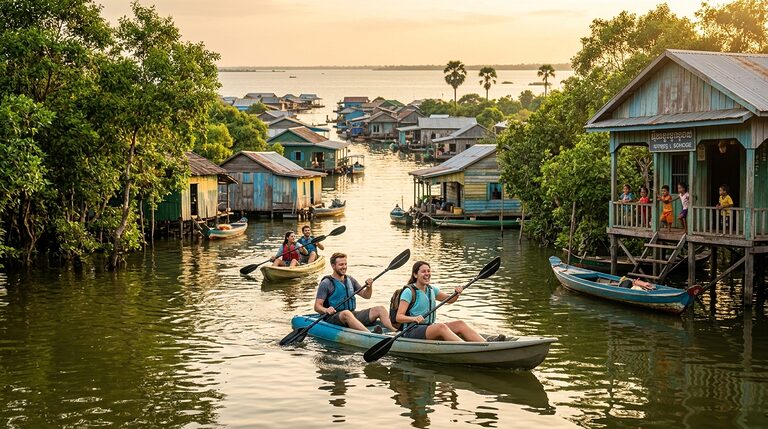
Finding the right summer camps for teens can feel overwhelming when there are so many programmes to choose from and so many questions about safety, cost and what your teenager will actually get out of it. Whether your teen dreams of trekking through mountains, cycling across a foreign country or trying scuba diving for the first time, an adventure camp can turn a summer break into an unforgettable learning experience that builds confidence, independence and practical life skills. This guide walks you through the best options, what they cost, how they keep young travellers safe and how to pick the camp that fits your teenager best.
Overview: Quick Answers for Busy Parents
- Best age range: Most teen adventure camps welcome campers aged 13 to 19, with some splitting groups into younger teens (13 to 15) and older teens (16 to 19)
- Popular activities: Trekking, cycling, white-water rafting, ziplining, scuba diving, sailing and wilderness survival skills
- Typical cost: Domestic camps range from $500 to $2,000 per week, while international adventure programmes can cost $3,000 to $8,000 for two to four weeks, depending on destination, activities and whether flights are included
- Safety standard to look for: Accreditation from a recognised body such as the American Camp Association (ACA) or an equivalent national camping association
- Best time to book: Four to six months ahead, since popular youth adventure holidays fill up quickly
- What is usually included: Accommodation, meals, activities, in-country transport and adult supervision, though flights are sometimes separate
- Money-saving tip: Ask whether equipment hire is included before comparing prices, as this can significantly affect the overall cost
- Confidence-building tip: First-time campers often thrive in one-week programmes before progressing to longer expeditions
Best Summer Camps for Teens
Adventure camps for teenagers come in a few distinct styles and knowing the difference helps you match the experience to your teen’s personality.
Wilderness and trekking camps send teens into mountains, forests or national parks for expeditions that last anywhere from a few days to several weeks. Programmes may include navigation, outdoor cooking, environmental education and teamwork exercises alongside hiking. These trips suit teenagers who enjoy physical challenges and do not mind spending time away from mobile signal.
Cycling and bikepacking camps are growing in popularity. Teens carry their own gear, cook some of their own meals and pedal across scenic routes or regions. This style builds independence quickly, since the group works together to set up camp each night rather than relying entirely on support staff.
Water-based adventure camps focus on sailing, scuba diving, kayaking or even living aboard a catamaran for a few weeks. These are popular for teens with an interest in marine biology or anyone who simply loves being near the water.
Multi-activity resort-style camps combine ziplining, rock climbing, canoeing and cultural excursions in one package, often based at a fixed camp location rather than moving from place to place. These tend to suit first-time campers who want adventure without the intensity of a full wilderness expedition.
For teenagers who want leadership experience, some teenage adventure holidays include a leader-in-training track where older teens (usually aged 16 to 17) help guide younger campers under staff supervision. These programmes can help develop communication, teamwork and problem-solving skills that are useful well beyond the camp itself.
Adventure Activities Included in Camps
Most teen adventure camp programmes build their schedule around a mix of physical, social and skill-building activities. Common activities include:
- Hiking and multi-day trekking
- White-water rafting and canoeing
- Rock climbing and abseiling
- Ziplining and high ropes courses
- Scuba diving or snorkelling certification
- Sailing and watersports
- Wilderness survival skills such as fire-lighting and shelter-building
- Team-building challenges and night hikes
- Cultural exchanges, cooking classes or homestays with local families
The best outdoor camps for teenagers balance adrenaline-filled activities with quieter moments for reflection and bonding, since constant high-intensity action can tire teens out faster than parents expect.
Travel hack: Encourage your teen to keep a simple travel journal during camp. It helps them remember experiences, practise writing skills and makes a great keepsake after the trip.
How Much Teen Summer Camps Cost?
Cost is usually the deciding factor for families, so here is a rough breakdown to help with budgeting.
| Camp Type | Typical Duration | Estimated Cost (USD) | What’s Usually Included |
| Domestic day camp | 1 week | $300 to $700 | Activities, meals, no accommodation |
| Domestic overnight camp | 1 to 2 weeks | $800 to $2,000 | Accommodation, meals, activities |
| International adventure programme | 2 to 3 weeks | $3,000 to $6,000 | Accommodation, meals, activities, in-country transport |
| Extended expedition or multi-country trip | 4 weeks or more | $6,000 to $9,000+ | Full board, guides, gear, transport, sometimes flights |
A few cost-saving hacks worth knowing:
- Book early, since many camps offer discounts of 10 to 20 per cent for enrolling several months ahead
- Ask about multi-week discounts if your teen is attending more than one session
- Check whether flights are included, as this can shift the total price significantly
- Look into needs-based scholarships, which many established camps offer but rarely advertise prominently
- Compare programmes with similar activities rather than just similar price tags, since a cheaper camp with poor staff ratios is not necessarily better value
- Ask whether siblings qualify for family discounts
- Check if your teen can borrow or rent specialist equipment rather than buying everything new
Safety and Supervision Tips
Safety is the single biggest concern for parents sending a teenager on a youth adventure holiday, and rightly so. Here is what to check before booking:
- Accreditation: Look for camps accredited by a recognised camping association, which means the programme has been reviewed against standards for staff training, emergency procedures and activity safety
- Staff-to-camper ratio: A ratio of roughly one staff member to every six to eight teens is a reasonable benchmark for adventure activities
- First aid and emergency training: Confirm that on-site staff hold current first aid and wilderness responder qualifications, especially for remote trekking or water-based camps
- Communication policy: Ask how and when the camp will contact you in an emergency and how often your teen can check in
- Insurance: Make sure the camp carries liability insurance and check whether travel insurance is required or included
- Medical support: Confirm the camp’s process for handling allergies, medication and pre-existing health conditions
- Reviews from past families: Genuine testimonials or references from previous participants often reveal more than a glossy brochure
- Safeguarding policies: Ask how staff are vetted and what procedures are in place to protect young people
How to Choose the Right Camp for Teenagers?
With so many teenage adventure options available, narrowing down the right fit comes down to a few honest questions.
- What does your teen actually enjoy? A teen who loves solitude and nature may struggle in a high-energy social camp and vice versa
- How independent is your teen already? Bikepacking and wilderness expeditions demand more self-reliance than resort-style camps
- What is the group size and age range? Smaller groups generally mean more individual attention from staff
- Is this their first time away from home? First-timers often do better starting with a shorter, closer-to-home programme before committing to a month abroad
- Does the camp match your budget without cutting corners on safety? It is worth spending slightly more for solid staff ratios and accreditation than saving money on an unverified programme
- What do former campers say about the experience? Direct conversations with alumni families often provide the most useful insight
- Does the programme focus on skills, adventure, cultural immersion or leadership? The best choice depends on your teen’s interests and goals
Involving your teenager in the decision also makes a real difference. A teen who picks their own camp is far more likely to embrace the challenge rather than feel like they were sent away.
Additional Packing Tips for Teen Adventure Camps
Many teens focus on clothing and forget practical essentials. Consider adding:
- A portable power bank for longer excursions
- A head torch rather than relying on a phone torch
- A reusable water bottle or hydration bladder
- Quick-drying clothing that can be washed and reworn easily
- A small dry bag to protect valuables during water activities
- Copies of emergency contacts stored both digitally and on paper
- A few zip-lock bags for wet clothes, muddy shoes or protecting electronics
Frequently Asked Questions
Most programmes accept teens from age 13, though many families find 14 to 15 is a comfortable starting point for a first overnight or international camp.
Yes, as long as the camp is accredited, has a strong staff-to-camper ratio and clear emergency procedures. Starting with a shorter, closer-to-home programme is often a sensible way to build confidence.
Most reputable camps require or strongly recommend travel insurance that covers medical emergencies, trip cancellation and activity-related injuries.
Many camps offer meet-and-greet services at airports and group check-ins, so teens can travel with the group rather than entirely alone. However, minors travelling internationally may still need airline unaccompanied minor services or parental consent documentation.
Essentials typically include weather-appropriate clothing, sturdy hiking or water shoes, a reusable water bottle, sun protection, personal medication and a lightweight backpack. Most camps send a detailed packing list before departure.