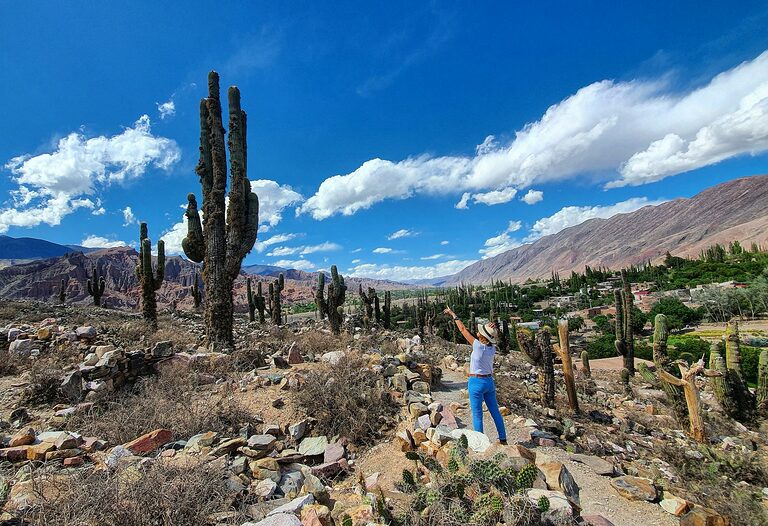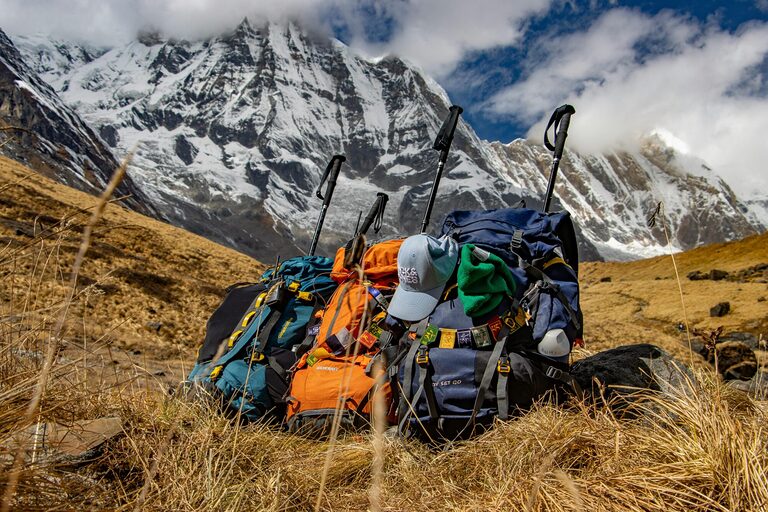
Trekking is one of the most rewarding ways to experience nature, culture and adventure all at once. Whether you are walking through alpine valleys, dense forests or remote mountain trails, trekking offers a deeper connection to the destinations you visit.
This guide is designed to help beginners and intermediate trekkers understand how to prepare, where to go and what to expect on popular trekking routes around the world.
What is Trekking?
Trekking refers to multi-day walking journeys across natural landscapes, often involving mountains, forests and rural regions. Unlike short hikes, trekking usually requires overnight stays in camps, lodges or teahouses.
It is physically demanding but highly rewarding, offering immersive travel experiences that go beyond typical sightseeing.
Essential Trekking Gear for Travellers
Before heading out on any trekking adventure, having the right equipment is crucial. Being prepared can save your life. When hiking in the mountains, be prepared to experience all 4 seasons in one day. You cannot just rely on the weather forecast.
Clothing
- Moisture-wicking base layers
- Lightweight fleece or insulated jacket
- Waterproof jacket and trousers
- Quick-dry trekking trousers
A quality waterproof jacket and trousers are essential and help protect against sudden downpours and changing conditions. It is also wise to pack a spare change of clothes in a dry bag* to ensure they remain dry even if the gear you are wearing gets wet.
Footwear
- High-quality trekking boots* with ankle support
- Comfortable hiking socks
Backpack Essentials
- Hydration system or water bottles
- Energy snacks such as nuts and protein bars
- First aid kit*
- Map or GPS device
- Headlamp with spare batteries
Trekking can burn a significant amount of energy, especially on long or steep routes, so carrying enough snacks helps maintain stamina throughout the journey.
Safety Items
- Sunscreen and sunglasses
- Insect repellent
- Emergency whistle
- Portable power bank
Having the right gear ensures comfort and safety, especially on longer trekking routes.
Beginner-Friendly Trekking Destinations
If you are new to trekking, starting with easier routes helps build confidence and endurance. Below are some of the most popular beginner trekking destinations around the world.
1. The Lake District, United Kingdom
The Lake District offers scenic trails, gentle hills and well-marked paths. It is ideal for beginners who want beautiful landscapes without extreme difficulty.
2. Inca Trail Short Sections, Peru
While the full Inca Trail is challenging, shorter guided sections provide a taste of Andean trekking with historical ruins and mountain views.
3. Nakasendo Trail, Japan
This historic trail between Kyoto and Tokyo offers peaceful forest paths and traditional villages, making it suitable for first-time trekkers.
4. Langtang Valley, Nepal
A relatively moderate trek with stunning Himalayan scenery, cultural villages and manageable altitude gain.
5. Mount Kilimanjaro Base Routes, Tanzania
Certain lower routes around Kilimanjaro allow trekkers to experience African landscapes without summit pressure.
Trekking Safety Tips for Travellers
Safety should always be a priority when trekking, especially in remote or high-altitude regions.
Key Safety Guidelines
- Always check weather conditions before starting
- Never trek alone in unfamiliar or remote areas
- Inform someone about your route and expected return
- Acclimatise properly when trekking at altitude
- Stay hydrated and eat regularly
- Follow local guide instructions
On steep or uneven terrain, using walking sticks can help improve balance and reduce strain on your legs, particularly during long ascents or descents.
Altitude sickness, fatigue and sudden weather changes are common risks, so preparation is essential.
Travel Scenario: A First-Time Trekking Experience
Imagine arriving in a quiet mountain village in Nepal. The air is crisp, prayer flags flutter above stone paths and snow-covered peaks rise in the distance.
You begin your trek early in the morning with a small group and a local guide. The trail passes through rhododendron forests, suspension bridges and small tea houses where you stop for warm tea.
As the altitude increases, the landscape opens into wide valleys surrounded by towering mountains. You feel tired but energised at the same time, knowing every step brings a new view.
By evening, you reach a teahouse where trekkers from different countries share stories over a warm meal. The simplicity of the experience makes it unforgettable.
This is what trekking offers: connection, challenge and discovery.
Trekking in Nepal: A World-Class Adventure
Nepal is one of the most iconic trekking destinations in the world, offering everything from beginner-friendly routes to challenging high-altitude expeditions.
The Himalayas provide breathtaking views, while local culture adds depth to every journey. Popular trekking regions include Annapurna, Everest and Langtang.
For travellers seeking less crowded paths, there are also hidden trails that offer equally stunning scenery with fewer tourists.
If you are interested in exploring lesser-known routes, you can learn more about hidden trekking routes in Nepal for off the beaten path adventures.
These routes are ideal for travellers who want a more peaceful and authentic Himalayan trekking experience.
Best Time for Trekking
Timing plays a big role in trekking success. Just as timing is important when visiting trekking destinations like Nepal, careful planning around seasonal conditions can greatly improve the overall experience. Weather in the Himalayas varies significantly throughout the year, affecting trail safety, visibility and accessibility. For a more detailed breakdown of conditions by month, including trekking suitability, sightseeing opportunities and cultural highlights, refer to the Best Time to Visit Nepal guide.
Ideal Seasons
- Spring (March to May): Blooming flowers and clear skies
- Autumn (September to November): Best visibility and stable weather
Less Ideal Seasons
- Monsoon (June to August): Heavy rain and slippery trails
- Winter (December to February): Cold conditions and snow at higher altitudes
Choosing the right season improves safety and enjoyment significantly.
Health and Fitness Preparation
You do not need to be an athlete to start trekking, but basic fitness helps.
Preparation Tips
- Start walking or jogging regularly before your trip
- Practice stair climbing to build leg strength
- Improve stamina with cardio exercises
- Carry a light backpack during training walks
Good preparation reduces fatigue and enhances your trekking experience.
Cultural Awareness While Trekking
Trekking often passes through rural communities, so respecting local culture is important.
Basic Etiquette
- Dress modestly in villages
- Ask permission before taking photos of locals
- Respect religious sites and customs
- Support local businesses when possible
Responsible trekking helps preserve both environment and culture.
Common Trekking Challenges
Even well-planned treks come with challenges:
- Altitude sickness
- Muscle fatigue
- Unpredictable weather
- Navigation difficulties in remote areas
Being mentally prepared helps you adapt and enjoy the journey despite obstacles.
Frequently Asked Questions (FAQ)
Yes, many routes worldwide are designed for beginners, including the Lake District, Langtang Valley and Nakasendo Trail.
Basic fitness is enough for beginner routes. Longer or high-altitude treks require better endurance.
Hiking usually refers to short day walks while trekking involves multi-day journeys across varied terrain.
Guides are recommended for remote or high-altitude routes, especially in Nepal and Peru.
Good footwear, weather-appropriate clothing and hydration equipment are the most essential.
Final Thoughts
Trekking is more than just walking through nature. It is a journey of discovery, resilience and cultural connection. Whether you choose gentle trails in Europe or challenging Himalayan routes, each trek offers a unique story.
With the right preparation, gear and mindset, trekking becomes one of the most enriching travel experiences you can have.
*This article contains affiliate links. If you make a purchase, we may earn a small commission at no extra cost to you.