Introduction
An RFID wallet is designed to protect contactless cards from unauthorised scanning while travelling. These wallets combine security features with everyday practicality, helping travellers organise essential items such as cards, cash and sometimes passports. While RFID blocking is often highlighted, overall usability, comfort and build quality are equally important when choosing one. Travellers who want a simpler alternative often compare these with options explained in why RFID card sleeves are a must-have to decide how much protection they actually need.
Quick answers
What is an RFID wallet?
A wallet with a built-in shielding layer that blocks radio signals from contactless cards.
Do RFID wallets work?
Yes, they can block common contactless frequencies, though effectiveness depends on build quality.
When should you use an RFID wallet?
When travelling or in crowded areas where added protection and organisation are useful.
What is a RFID wallet?
An RFID wallet is a type of wallet that includes a protective layer, usually made from metal or composite materials, which blocks radio frequency signals. This prevents contactless cards from being scanned without permission. The protection works using a built-in metal barrier (Faraday cage, a layer that blocks wireless signals), stopping signals such as those used by contactless cards (13.56 MHz frequency, the standard signal used for tap to pay).
Why travellers use RFID wallet?
- Helps block unauthorised contactless card scanning
- Keeps cards, cash and travel documents organised
- Reduces risk in crowded environments such as airports or public transport
- Provides peace of mind during international travel
- Often includes secure closures like zips or snaps
Many users also pair their setup with organised carry systems from packing like a pro for airport friendly essentials for tech friendly accessories and must have airport essentials for security checks.
Types of RFID wallet
Slim RFID wallet*
Pocket-sized wallet designed for carrying cards and cash only.
- Holds 4 to 8 cards
- Lightweight and compact
- Fits easily into pockets
Travel RFID wallet*
Passport-sized wallet designed for carrying travel documents and essentials.
- Space for passport, boarding passes and cards
- Organised but still portable
- Suitable for short trips or light packing
RFID travel organiser*
Larger travel wallet designed for storing multiple documents and items in one place.
- Higher storage capacity for documents and currencies
- Sections for tickets, travel papers and accessories
- Often includes zip-around closure or wrist strap
Comparison table
| Type | Security or function | Visibility or convenience | Best use |
| Slim RFID wallet | Basic RFID blocking | Very easy to carry | Everyday travel |
| Travel RFID wallet | Strong RFID protection | Balanced organisation | Trips and holidays |
| RFID travel organiser | Moderate to strong protection | High storage and accessibility | Long journeys |
Typical specifications
| Specification | Typical range |
| Length or size | 10 to 22 cm depending on type |
| Width | 7 to 12 cm |
| Material | Leather, nylon, polyester, metal blend |
| Closure mechanism | Fold, zip, snap |
| Weight | 50 to 250 grams |
Materials used
Leather
A traditional material offering durability and comfort.
- Long-lasting with proper care
- Softens over time
- Classic appearance
Nylon or polyester
Common in travel-focused designs due to practicality.
- Lightweight and flexible
- Often water-resistant
- Suitable for active travel use
How to choose a RFID wallet?
- Check RFID protection quality and supported frequencies
- Look for durable materials with reinforced stitching
- Choose a size that fits your travel style without adding bulk
- Ensure practical organisation with accessible compartments
- Consider secure closures such as zips for busy environments
- Balance protection with comfort for daily use
- Avoid relying solely on RFID as your main security measure
Popular brands
OW-Travel
Pacsafe
Lifeventure
Go Travel
Bellroy
Frequently asked questions
Yes, they can block contactless signals, though effectiveness depends on the quality of the shielding.
They are not essential, but they provide an extra layer of security and organisation for travellers.
Build quality, usability and organisation are just as important as RFID protection.
Example travel solution
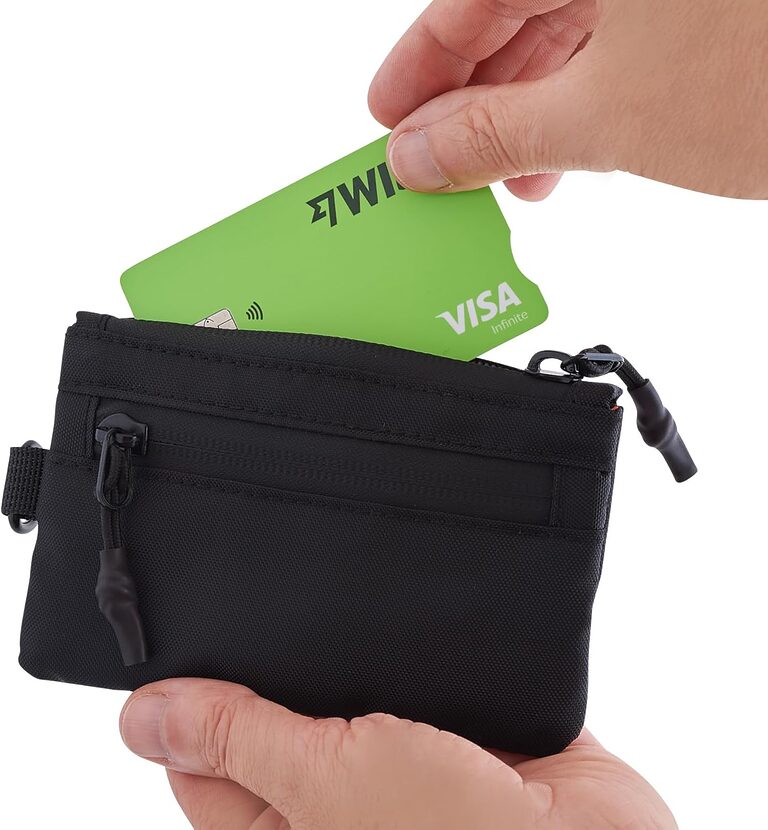
Some travellers choose the OW-Travel RFID Card Wallet with Coin Pocket, designed to organise cards, cash and keys while offering reliable signal blocking during travel.
Summary
RFID wallets provide an added layer of protection against contactless scanning while helping travellers stay organised. The most effective choice balances security, durability and practical design, with RFID acting as a useful feature rather than the sole reason to buy.
If you want to explore a range of RFID wallet, I have included a link to Amazon* to help you find a few great options.
*This article contains affiliate links. If you make a purchase, we may earn a small commission at no extra cost to you.