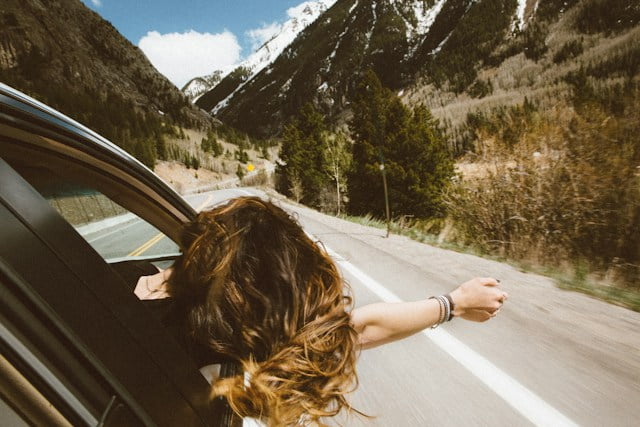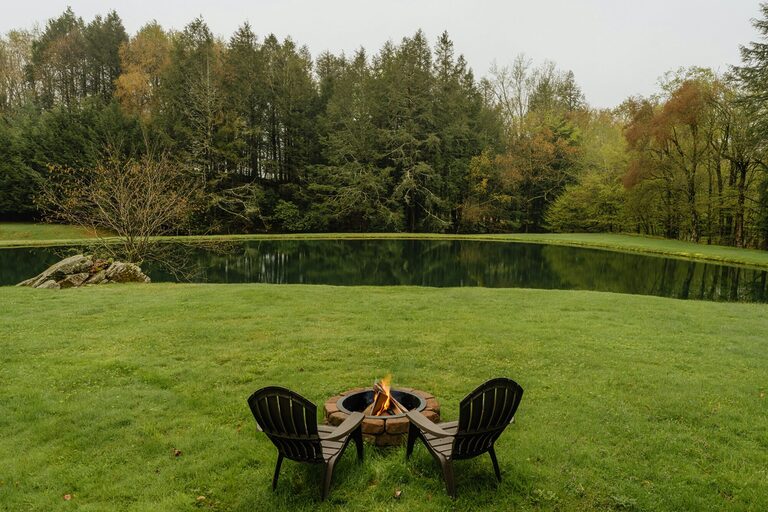
Healing nature escapes after divorce can be one of the most powerful ways to regain emotional balance when life feels overwhelming and disconnected. After a separation, many people experience mental fatigue, emotional confusion and a deep sense of emptiness. Travelling into nature offers space to breathe again, think clearly and slowly rebuild a sense of self without pressure or noise.
Unlike busy city breaks, nature-based travel allows silence and simplicity to do the healing work. Mountains, forests, coastlines and wellness resorts all create environments where emotional recovery feels more natural and less forced. For many travellers, this becomes the first real step towards feeling whole again.
Overview
- Nature helps calm the nervous system and reduces emotional stress after divorce.
- Mountain and countryside retreats provide space for reflection and clarity.
- Spa holidays support physical relaxation and emotional release.
- Slow travel encourages deeper self-connection and mindful living.
- Planning ahead helps create a meaningful and restorative healing journey.
Why nature helps emotional healing?
One of the most overlooked parts of recovery after divorce is the constant mental stimulation that comes from daily life. Messages, responsibilities and reminders of the past can make it difficult to process emotions properly. Nature removes much of that noise.
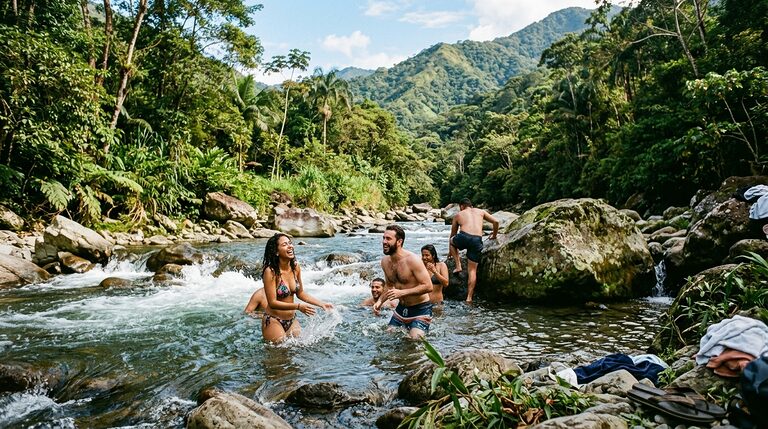
Spending time in natural surroundings has been linked to lower cortisol levels and improved mood stability. But beyond science, there is also a simple truth that many experienced travellers notice. When you are surrounded by mountains, trees or water, your thoughts slow down naturally.
This is where healing nature escapes after divorce become so effective. You are not trying to fix yourself. Instead, you are giving yourself permission to pause.
For example, a quiet morning walk in a forest or sitting by a mountain view without distraction often brings clarity that months of thinking indoors cannot provide. The mind begins to organise emotions in a calmer way.
This is one reason why many people turn to travel therapy after divorce, using intentional time away in restorative environments to create space for emotional healing and self-discovery.
Best mountain and countryside retreats
Mountains are often considered one of the most powerful environments for emotional recovery. There is something grounding about being surrounded by large natural landscapes that puts personal struggles into perspective.
Many travellers seek out healing mountains retreats for divorce recovery in places like the Alps in Europe, the Andes in South America or the highlands of Southeast Asia. These destinations offer fresh air, long walking trails and peaceful lodges that encourage rest.
Countryside escapes are equally valuable. Rolling hills, farms and quiet villages allow you to disconnect from routine pressure. You can spend your days walking slowly, reading or simply observing nature without urgency.
A real travel insight from frequent solo travellers is that the most effective retreats are not always luxury ones. Often, simple cabins or eco lodges provide a deeper sense of calm because they reduce distractions and expectations.
Spa holidays for relaxation and recovery
Physical tension often holds emotional stress. After divorce, many people carry anxiety in their bodies without realising it. This is where spa-based travel becomes highly beneficial.
Healing spa holidays after divorce are designed to relax both body and mind. Warm mineral baths, massages and wellness therapies help release built up stress and improve sleep quality. Many spa resorts are located in quiet natural areas, which adds to the overall healing effect.
Some wellness centres combine spa treatments with meditation sessions and light movement classes such as yoga or tai chi. These activities support emotional processing in a gentle and structured way.
Wellness retreats in nature often include healthy meals, digital detox options and guided relaxation sessions. This combination allows your body to reset while your mind gradually stabilises.
Slow travel and reconnecting with yourself
One of the most important shifts after divorce is learning to be comfortable with your own company again. Slow travel supports this process by removing urgency and replacing it with presence.
Instead of planning a packed itinerary, you focus on simple daily experiences. A morning tea with a view, a quiet walk or journaling by a lake can become meaningful moments of reflection.
Many travellers find that keeping a travel journal for recovery helps them capture these small but significant moments, making it easier to recognise emotional progress throughout the journey.
Nature retreat ideas for healing often include staying in one place for longer periods. This helps you avoid the emotional exhaustion that comes with constant movement. You begin to notice small details again such as sounds, weather changes and your own thoughts.
Many travellers also find that slow travel helps rebuild confidence. You learn that you do not need constant distraction to feel okay. You start enjoying your own pace again.
Planning a restorative nature escape
When planning healing nature escapes after divorce, the goal is not luxury or distance. It is emotional safety and simplicity.
Start by choosing a destination that feels calm rather than exciting. Remote areas, small towns or eco retreats are often ideal. Avoid overly crowded tourist hotspots as they can increase stress instead of reducing it.
Next, decide how long you can stay. A minimum of four to seven days is usually needed for emotional decompression. Longer stays are even more beneficial if possible.
Pack light and bring only essentials. Comfortable clothing, a journal and basic self-care items are often enough. Reducing physical baggage often supports emotional release.
Finally, limit digital exposure. Turning off notifications or setting specific check in times helps maintain mental clarity during your trip.
Practical comparison of healing travel options
| Option | Best for | Experience |
| Mountain retreats | Deep reflection and emotional clarity | Quiet landscapes, hiking, solitude |
| Spa holidays | Physical relaxation and stress release | Treatments, warm water therapy, rest |
| Countryside escapes | Gentle recovery and slow living | Villages, nature walks, simplicity |
| Wellness retreats | Structured healing and guidance | Yoga, meditation, healthy routines |
Frequently Asked Questions
A short break of four days can help reduce stress, but one to two weeks is more effective for emotional recovery.
Yes, solo travel allows personal reflection without external pressure. It helps rebuild independence and confidence.
No. Comfort matters more than luxury. Many people find simple nature lodges more calming and grounding.
Quiet mountains, countryside areas and wellness focused retreats are usually the most effective.
Final thoughts
Healing nature escapes after divorce are not about escaping life but about reconnecting with yourself in a healthier way. Nature creates space for silence, reflection and emotional clarity that busy environments cannot offer. Whether it is a mountain lodge, a spa retreat or a quiet countryside stay, the goal is the same. To slow down, breathe deeply and begin again with greater self-understanding.