Travel has changed significantly in recent years. Instead of trying to visit as many places as possible in the shortest amount of time, many travellers are choosing a slower and more meaningful way to explore. This approach, known as slow travel, focuses on creating memorable experiences rather than simply ticking destinations off a list.
If you’ve ever returned from a holiday feeling more exhausted than refreshed, slow travel could be exactly what you need.
Article Overview
In this article, you’ll discover:
- What slow travel is and why it has become increasingly popular among modern travellers.
- Why Northeast India is one of the best regions to experience a slower, more immersive style of travel.
- Destinations that are best explored at a relaxed pace, including Sikkim, Meghalaya and Arunachal Pradesh.
- The benefits of slowing down, from richer cultural experiences to reduced travel fatigue.
- Practical tips for planning a rewarding slow travel itinerary while supporting local communities and travelling more sustainably.
What Is Slow Travel?
Slow travel is about immersing yourself in a destination rather than rushing from one attraction to the next. Instead of spending a single night in several different towns, you stay longer, meet local people, try regional cuisine and discover places that are often overlooked in traditional itineraries.
Travelling this way reduces stress while giving you a deeper understanding of a destination’s culture, traditions and natural beauty.
Why Northeast India Is Perfect for Slow Travel?
Northeast India is one of the few regions where slow travel feels completely natural. Surrounded by mountains, forests, rivers, monasteries and traditional villages, every journey invites you to slow down and appreciate your surroundings.
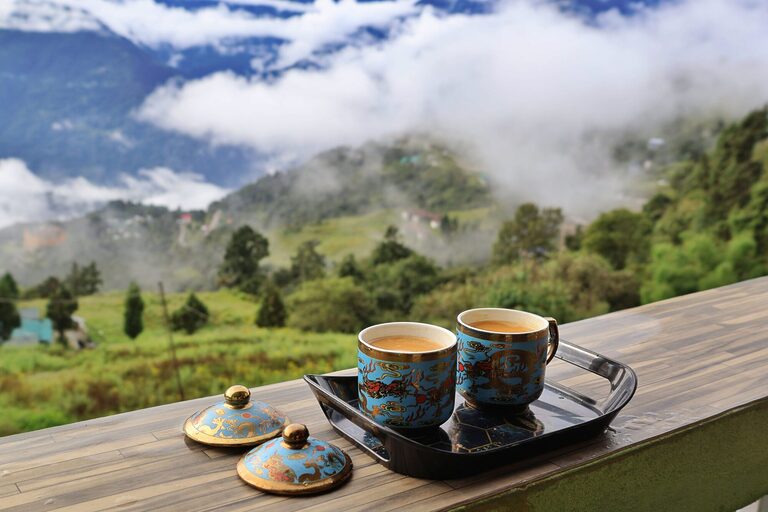
Unlike many overcrowded tourist destinations, much of the region has retained its authentic character. Whether you’re watching clouds drift across mountain valleys, enjoying local dishes or learning about local traditions from residents, the experience becomes far more rewarding when you aren’t constantly moving on to the next stop.
Destinations Worth Exploring Slowly
Gangtok
The capital of Sikkim offers far more than scenic viewpoints and monasteries. Spend a few days exploring local markets, trying out traditional cuisine, visiting nearby monasteries and enjoying peaceful mornings with views of the Himalayas.
North Sikkim
Destinations such as Lachung, Lachen, Yumthang Valley and Gurudongmar Lake deserve more than a quick photo stop. Each village has its own character and the changing scenery makes the long drives an enjoyable part of the journey.
Meghalaya
Rather than rushing between Shillong, Cherrapunji and Dawki, allow yourself time to explore waterfalls, living root bridges, local cafés and nearby villages. You’ll often discover experiences that many visitors miss.
Arunachal Pradesh
Arunachal Pradesh rewards patience. Its winding mountain roads, Buddhist monasteries, tribal communities and peaceful valleys offer unforgettable experiences for travellers who choose to stay a little longer.
The Benefits of Slowing Down
Richer Cultural Experiences
Spending several days in one destination creates opportunities for genuine conversations with local people. You’ll gain a better understanding of local customs, festivals, food and everyday life rather than only visiting popular attractions.
Less Travel Fatigue
Constant packing, early departures and long journeys can quickly become tiring. Staying longer in fewer places gives both your body and mind time to unwind.
More Meaningful Photography
The best photographs are often captured during unexpected moments, whether it’s a bustling morning market, changing mountain light at sunset or children playing in a village street. These moments rarely fit into a tightly planned itinerary.
Supporting Local Communities
Slow travellers are more likely to stay in family-run homestays, eat at locally owned restaurants, visit independent cafés and hire regional guides. This helps support local businesses while providing more authentic travel experiences.
Careful Planning Makes the Journey Easier
Exploring Northeast India can require a little more preparation than visiting other parts of India. Transport connections, weather conditions and permit requirements may all affect your plans, particularly in mountainous areas.
Careful planning helps reduce unnecessary delays and gives you more time to enjoy each destination. If you’re looking for additional advice, this guide to planning a trip through Northeast India offers practical information on transport, suggested routes and travel logistics across the region, making it easier to organise a more relaxed and enjoyable journey.
Before setting off, it can also be helpful to review a few practical India travel hacks that can save time, reduce travel stress and help you navigate unfamiliar destinations more confidently.
Practical Tips for Slow Travel
- Stay at least three nights in major destinations whenever possible.
- Leave one day in your itinerary free for unexpected discoveries.
- Try regional dishes instead of looking for familiar meals every day.
- Explore local neighbourhoods on foot whenever you can.
- Visit local markets in the morning for a more authentic atmosphere.
- Speak with local residents, as they often have the best recommendations.
- Avoid scheduling every hour of your trip.
Sustainable Travel Matters
Slow travel is also a more sustainable way to explore. Travelling between fewer destinations helps reduce transport emissions, while choosing locally owned accommodation, restaurants and guides supports regional economies.
Showing respect for local customs, reducing waste and appreciating nature responsibly all help preserve these remarkable destinations for future generations.
Understanding the local culture is equally important and learning about common things you should not do as a tourist can help ensure your interactions remain respectful and positive throughout your journey.
Frequently Asked Questions
Yes. While some areas require a little more planning, destinations such as Gangtok, Shillong and parts of Meghalaya are welcoming for first time visitors and offer good tourist facilities.
A trip of at least 10 to 14 days allows you to explore several destinations at a relaxed pace without feeling rushed. If your schedule allows, staying even longer can make the experience more rewarding.
Some states and protected areas require permits for Indian and international travellers. It’s best to check the latest requirements before your trip, as regulations may change.
The ideal time depends on the destination, but October to April generally offers pleasant weather for sightseeing and outdoor activities. The monsoon season brings lush scenery but may also affect road conditions.
Slow travel allows you to spend more time experiencing local culture, enjoying the scenery and making meaningful connections with the places you visit. Many travellers find it less stressful and more memorable than trying to see everything in a short period.
Final Thoughts
The most memorable travel experiences rarely come from simply ticking attractions off a list. Instead, they come from unexpected conversations, peaceful mornings, scenic journeys, local meals and the moments when you pause to appreciate where you are.
Northeast India offers these experiences in abundance. Whether you’re exploring the mountains of Sikkim, the valleys of Arunachal Pradesh or the waterfalls of Meghalaya, travelling at a slower pace allows you to connect with each destination on a much deeper level.
Sometimes, seeing less in a single day helps you experience far more overall.