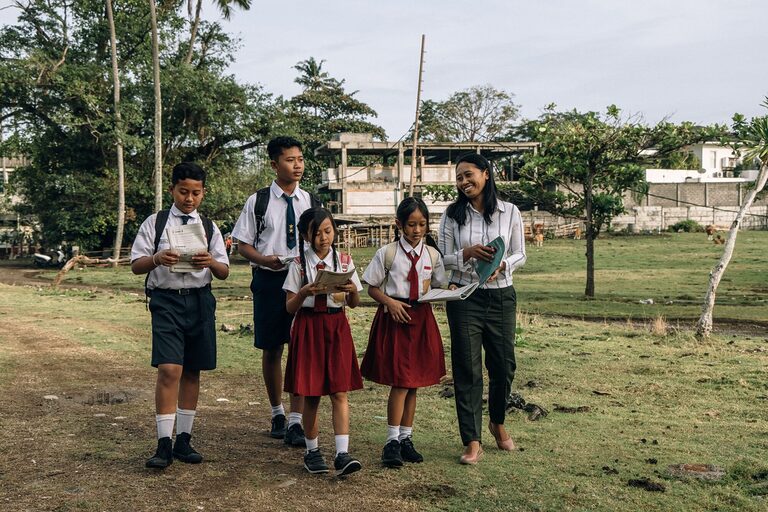
There is a particular kind of restlessness that sets in when standard holidays start to feel hollow. You have ticked off the sights, taken the photos and come home feeling like something was missing. If that sounds familiar, voluntourism opportunities for solo travellers might be exactly what you need. Combining meaningful work with the freedom of solo travel, voluntourism has grown from a niche idea into one of the most rewarding ways to see the world and to genuinely contribute to it.
Whether you want to support wildlife conservation in southern Africa, teach English in Southeast Asia or help rebuild communities after natural disasters in Latin America, you can find a programme that matches your skills, schedule and values. The key is knowing where to look and how to avoid the pitfalls that have given voluntourism a bad name.
Overview: Voluntourism for Solo Travellers at a Glance
- What it is: Travelling to a destination while contributing meaningful volunteer work, typically through an organised programme
- Who it suits: Purpose-driven travellers who want more than sightseeing and people who value connection, contribution and cultural immersion
- Common programme lengths: One week to six months, with two to four weeks being the most popular choice for solo travellers
- Typical costs: Anywhere from free (self-funded placement) to $3,000+ for all-inclusive structured programmes
- Top regions: Sub-Saharan Africa, Southeast Asia, Central and South America, South Asia
- What to watch out for: Orphanage tourism, unqualified placements, programmes that prioritise volunteer experience over community need
- Best starting point: Look for programmes that are community-led, transparent about costs and clear about the skills they actually need
Why Solo Travel and Volunteering Are Such a Natural Fit?
There is something about travelling alone that makes voluntourism work especially well. When you are not managing the preferences of a travel companion, you can commit more fully to the rhythm of a programme — early starts, communal meals, shared accommodation and all. You are also more likely to form genuine connections with local people and fellow volunteers when you are not retreating to a comfortable social bubble.
Many solo travellers who have done a volunteer placement describe it as one of the most socially rich experiences of their lives. You arrive as a stranger and leave with a network of friends from dozens of countries and people who share a similar mindset about purpose, curiosity and giving back. For anyone who finds the idea of a single traveller holiday slightly lonely, voluntourism turns that concern on its head entirely.
Beyond the social dimension, there are real solo trip benefits to consider. Structured programmes give your days shape and intention, which removes the decision fatigue that can creep into longer independent trips. You are not staring at a map wondering what to do next, you know exactly where you need to be and why.
Many travellers also find that volunteering abroad delivers many of the same emotional rewards discussed in the benefits of solo travel for mental health, combining personal growth with a renewed sense of purpose and confidence.
Types of Voluntourism Programmes
Programmes vary greatly, offering a genuinely wide range of opportunities. Here is a breakdown of the most common types:
Conservation and Wildlife
These programmes focus on protecting natural environments and the animals within them. Examples include sea turtle monitoring in Costa Rica, elephant sanctuary work in Thailand and anti-poaching support in Botswana. Physical fitness helps, as does a genuine tolerance for early mornings and unpredictable conditions. Costs typically range from $800 to $2,500 for two to four weeks, depending on the organisation and location.
Teaching and Education
Teaching English remains one of the most accessible options for volunteers without specialist skills. Destinations across Cambodia, Nepal, Tanzania and Peru actively welcome motivated volunteers who can commit to at least two weeks. Some programmes require a TEFL certificate. Expect programme fees of $500 to $1,500 for a month-long placement, though some NGO-affiliated programmes offer subsidised rates.
Community Development and Construction
Building classrooms, water systems or community centres in under-resourced areas appeals to travellers who want tangible, physical results from their work. These programmes are often based in rural communities across Guatemala, Malawi or the Philippines. These roles often require more physical effort, but many volunteers find them deeply rewarding.
Healthcare and Medical
Reserved for volunteers with relevant qualifications, medical programmes allow doctors, nurses and paramedics to support clinics in areas with limited healthcare access. Destinations include Uganda, Bolivia and rural parts of India. Organisations carefully regulate these programmes and for good reason.
Disaster Relief and Reconstruction
Typically offered in the aftermath of earthquakes, floods or hurricanes, these programmes require flexibility and resilience. Organisations like All Hands and Hearts have earned a strong reputation in this field and welcome both unskilled volunteers and skilled tradespeople.
Ethical Concerns: What Every Volunteer Needs to Know?
This is where honest conversation matters. Voluntourism has attracted legitimate criticism over the past decade and some of it is warranted. The most significant concerns include:
Orphanage tourism is widely considered harmful by child welfare experts. Many so-called orphanages in countries like Cambodia and Nepal house children who are not actually orphaned and the model actively exploits children’s vulnerability to generate income from well-meaning volunteers. Reputable organisations such as UNICEF and Save the Children have called for travellers to avoid orphanage visits entirely.
Unskilled labour displacement is another genuine issue. When volunteers travel to build things, paint walls or dig foundations, they sometimes take paid work away from local tradespeople. Good programmes are aware of this dynamic and design their work accordingly, either focusing on tasks locals are not resourced to do or ensuring that volunteers work alongside community members rather than instead of them.
The “saviour” dynamic is less tangible but equally worth examining. The most effective voluntourism operates as a partnership, not a rescue. Before booking anything, ask yourself honestly whether the programme you are considering is designed around what the community needs or around what makes volunteers feel good.
Signs of a responsible programme include: community involvement in programme design, transparent financial breakdowns, qualified local staff in leadership roles, long-term relationships with host communities and honest communication about what volunteers can realistically achieve.
Best Countries for Solo Volunteer Travel
Costa Rica
A consistent favourite for conservation-focused solo travellers. Strong infrastructure, English widely spoken in tourist areas and a stable political environment make it a practical first choice. Sea turtle projects, rainforest restoration and marine conservation are all well-established here.
Nepal
Enormously popular for teaching and community development placements, particularly in the Kathmandu Valley and rural hill districts. The culture is deeply welcoming to solo travellers and costs on the ground are low, even if programme fees vary.
Tanzania
For wildlife conservation alongside genuine cultural exchange, Tanzania delivers. Programmes around the Serengeti ecosystem focus on anti-poaching initiatives, wildlife monitoring and community education. The country also has strong teaching placement networks in coastal and inland regions.
Guatemala
Central America’s most accessible voluntourism destination for Spanish speakers. Community development, reforestation and educational programmes are plentiful, particularly around Antigua and Lake Atitlán. Programme fees tend to be lower here than in Africa or Southeast Asia.
Cambodia
Teaching and community development placements in Cambodia have been popular for years. It is worth being selective given the concerns around orphanage tourism in the country, but reputable NGOs working in education and sustainable livelihoods do excellent, well-documented work.
Comparison: Organised Programme vs. Independent Placement
| Organised Programme | Independent / NGO Direct | |
| Cost | $500–$3,000+ | $0–$500 (living costs only) |
| Support | High — accommodation, meals orientation included | Low — you arrange everything |
| Best for | First-time volunteers, shorter trips | Experienced travellers, longer stays |
| Flexibility | Lower | Higher |
| Vetting | Done for you | Requires your own research |
| Risk | Lower | Higher without careful preparation |
For a first solo traveller trip into voluntourism, an organised programme is generally the wiser choice. Yes, you pay more but you get reliable support, a structured environment and the reassurance that the programme has been running long enough to have worked out its early problems.
Practical Tips for Booking Your Placement
Start with the database, not the brochure
Websites like Volunteer World, GoOverseas and GoAbroad aggregate thousands of programmes with verified reviews from past volunteers. Reading those reviews honestly including the critical ones tells you more than any marketing copy.
Contact the organisation directly before committing
Ask specific questions: How many local staff members are employed? How is programme funding used? What happens to the project when volunteers leave? Their answers and how readily they give them are revealing.
Be realistic about your skills
A two-week placement is long enough to provide real value if your skills are matched to the work. It is not long enough to learn an entirely new trade and then apply it usefully. Play to your actual strengths.
Budget beyond the programme fee
Factor in flights, travel insurance (essential for solo travel volunteers), visas, vaccinations, personal spending and any pre-departure training. A programme listed at $1,200 can easily total $3,000 by the time you board the plane.
Before you leave, it is also worth reviewing a solo travel packing list for beginners to make sure you have the practical essentials needed for both your volunteer placement and any independent travel afterwards.
Buy comprehensive travel insurance
Standard holiday policies often exclude volunteer work. Look specifically for policies that cover volunteer activities, World Nomads is a commonly recommended option among the solo travel holidays community for this reason.
Frequently Asked Questions
It depends entirely on the programme type. Teaching and conservation projects often welcome enthusiastic generalists. Healthcare and specialist technical roles require verified credentials. Always check specific requirements before applying.
Many solo female travellers find voluntourism particularly safe, since you are part of a structured group with a support network from day one. Destination choice matters, as does selecting a programme with experienced local leadership. Reading reviews from other female volunteers is the best way to assess safety on a programme-by-programme basis.
Two to four weeks is widely considered the sweet spot for a first solo volunteer trip. Long enough to settle in and contribute meaningfully, short enough to manage around work commitments. Some travellers extend on arrival if circumstances allow.
Absolutely. Many solo travel holidays include a volunteer stint at one end and independent exploration at the other. This is a popular structure precisely because it gives you the best of both, purposeful structure followed by complete freedom.
Most programmes accept volunteers from age 18. There is no standard upper age limit and many organisations actively welcome older volunteers whose professional experience adds significant value. Some family-oriented programmes accept volunteers from age 16 with a guardian.
Voluntourism at its best is not about performing generosity for the benefit of your Instagram feed. It is about showing up, doing the work and leaving a place fractionally better than you found it. For solo travellers looking for something more sustaining than a standard sightseeing trip, it offers exactly that and more often than not, the experience changes you just as much as any contribution you make.