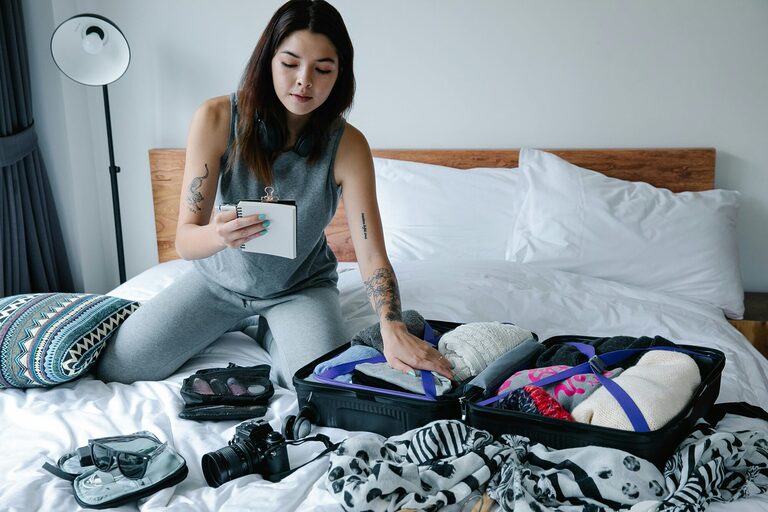
There is a particular kind of dread that sets in the night before your first solo trip when you are staring at an open suitcase and genuinely have no idea what belongs in it. A solid solo travel packing list does not just save you from that panic, it sets the tone for the entire journey. Pack too much and you are dragging a dead weight through airports and up hostel staircases. Pack too little and you are hunting down a pharmacy in a city where you do not speak the language. Getting it right the first time makes everything that follows significantly easier.
This guide is built for first-time solo travellers who want clear, practical guidance on what to bring, what to leave behind and how to make smarter decisions before they even reach the airport.
Overview: What to Pack for Solo Travel?
- Travel documents and copies: passport, visa, insurance details and emergency contacts
- One versatile carry-on bag or a 40–50 litre backpack for most trips under two weeks
- Clothing for five to seven days built around a neutral colour palette that mixes and matches easily
- Toiletries in travel sizes and any prescription medication in adequate supply
- Safety essentials: a door alarm, padlock and copies of key documents stored separately
- Tech gear: phone, universal adaptor, portable charger and earphones
- Health items: a basic first aid kit, rehydration sachets and any personal medication
- Money management tools: a travel card, some local currency and a backup card stored separately
Why Your Packing List Is Different as a Solo Traveller?
When you travel with others, responsibilities are shared. Someone else might carry the first aid kit. Your travel companion might remember the adaptor. When you go solo, every gap in your kit is entirely yours to deal with. That changes the calculus somewhat.
It also means you are carrying everything yourself, all the time. No one is watching your bag while you use the bathroom. No one is helping you haul a 25 kg suitcase up three flights of stairs to your Airbnb. Solo travel essentials, by necessity, lean towards lightweight and practical rather than comprehensive and comfortable. The goal is to carry less but carry smarter.
Packing is only one part of preparing for your first adventure alone. If you are still organising the bigger picture, our guide on how to plan your first solo trip step by step walks you through everything from budgeting to booking accommodation.
The Core Packing Categories
Travel Documents and Finances
Before anything goes into your bag, sort your documents. This sounds basic, but the number of first-time solo travellers who show up with a crumpled photocopy of their passport buried somewhere in a side pocket is genuinely alarming.
What to pack:
- Passport (check the expiry date — many countries require at least six months’ validity)
- Printed and digital copies of your passport, visa and insurance
- Travel insurance documents including the emergency number
- Debit or travel card — Wise and Revolut are popular choices for avoiding overseas fees, with rates typically far better than airport exchanges
- A backup card stored separately from your main wallet
- Small amount of local cash for your first day or countries that are still cash-heavy
- Emergency contacts written down, not just saved on your phone
A good habit: photograph every important document and email it to yourself. If your phone and wallet are both stolen, you can still access them from any device.
Clothing: Pack Less Than You Think
Most first-time solo travellers overpack clothing. It is the most common mistake by some distance and one that experienced travellers almost universally look back on with regret.
A practical rule is to lay out everything you plan to pack, then put half of it back. For a trip of one to two weeks, five to seven outfits are more than sufficient if you plan to do laundry once. Most hostels, guesthouses and even budget hotels have laundry facilities or a nearby laundromat. Doing one wash mid-trip means you are travelling with a much lighter bag from day one.
Build your wardrobe around neutral, versatile pieces that work together. Three or four tops, two pairs of bottoms, one warmer layer, one set of smart-casual clothing if needed and comfortable walking shoes cover the vast majority of destinations. Merino wool is worth the investment if your budget allows as it resists odour, dries quickly and packs down small.
What to pack:
- 3–4 tops (mix of casual and slightly smarter)
- 2 pairs of trousers or shorts depending on the climate
- 1 lightweight jacket or packable rain layer
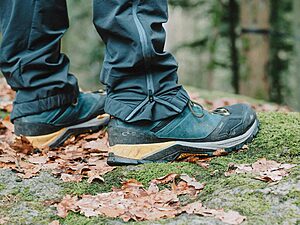
- Comfortable walking shoes and a pair of sandals or flip-flops
- Enough underwear and socks for the trip or until your first laundry day
- One set of slightly smarter clothes for nicer dinners or events
Toiletries and Personal Care
The standard advice applies: decant everything into travel-size containers and keep liquids under 100 ml if you are flying carry-on only. Do not buy travel-size products from airport shops for they charge a considerable premium. Boots, Target or any pharmacy will have what you need at a fraction of the price.
What to pack:
- Shampoo, conditioner and body wash in travel bottles
- Toothbrush, toothpaste and dental floss
- Deodorant
- Sunscreen
- Moisturiser and lip balm
- Any personal medication in its original packaging with enough supply to cover the trip plus a few extra days
- Feminine hygiene products if relevant, the availability varies enormously by country
Solo Travel Accessories Worth Prioritising
This is where a solo travel packing list diverges noticeably from a regular one. Safety and independence matter more when you are on your own and a few targeted solo travel accessories make a genuine difference to your experience.
Portable door alarm: A small wedge alarm placed under your hotel or hostel room door provides an extra layer of security. It is not about paranoia, it is about sleeping well.
Combination padlock: Useful for hostel lockers and for securing your bag during long journeys.
Packing cubes: These are not just an organisation tool. They compress your clothing, make unpacking and repacking faster and help you find things quickly without emptying your entire bag at every stop.
Portable power bank: Your phone is your map, your translator, your camera and your booking system. Running out of battery on a solo trip is a genuinely stressful experience. A 10,000 mAh bank will charge most smartphones twice.
Universal travel adaptor: A single multi-region adaptor is all you need. Some travellers bring two, one to keep in the bag as a backup.
Reusable water bottle with a filter: Brands like LifeStraw offer filtered bottles that let you drink tap water in many destinations where it would otherwise be inadvisable. This saves money on bottled water and reduces plastic waste.
Noise-cancelling earphones or earplugs: Non-negotiable for hostel dormitories. Budget foam earplugs work perfectly well if you do not want to bring expensive earphones.
Health and Safety Basics
A basic first aid kit does not need to be heavy or elaborate. A small ziplock bag containing the following covers the most common solo travel health situations:
- Plasters in various sizes
- Antiseptic wipes or cream
- Pain relief (ibuprofen or paracetamol)
- Antihistamine tablets for allergies or insect reactions
- Rehydration sachets are particularly useful in hot climates or after a stomach upset
- Blister plasters if you plan to do significant walking
- Any prescription medication with a copy of your prescription
If you are heading somewhere with a higher risk of travel illness, speak to a GP or travel clinic before you go. Many clinics offer combined consultations covering vaccinations and medication such as antimalarials.
Choosing the Right Bag
The bag itself is part of your solo travel packing list and the decision matters more than most first-timers realise. A 40-litre backpack is manageable enough to take as carry-on on most airlines, fits in overhead lockers and is light enough that you are not in agony after a long transit.
A hardshell suitcase offers better protection for valuables but makes you much less mobile. It is harder to navigate with on cobblestones, buses or long walking routes between accommodation and transport. For most beginner solo travellers doing multi-city or multi-country trips, a mid-sized backpack with a laptop compartment and lockable zips is the better starting point.
Osprey, Deuter and Nomatic are reliable brands with good weight distribution and solid build quality. Expect to spend $80–$200 for a quality pack that will last several years of regular use.
Minimalist Packing: The One-Bag Philosophy
One of the more liberating approaches to solo travel is the one-bag method, everything you need fits in a single carry-on backpack and nothing gets checked. It sounds extreme until you try it.
The practical benefits are significant. Instead of waiting at baggage reclaim, you can head straight to your destination. You’ll also save on airline baggage fees, which on budget carriers can add $30 to $60 each way. Because your belongings stay with you, there’s no risk of being separated from them. This makes every transition during your journey quicker and smoother.
Achieving it requires ruthlessness during packing. If you are genuinely unsure whether you will use something, it does not go in the bag. Most experienced solo travellers will tell you they have never once wished they had packed more, but nearly everyone has a story about regretting the weight they carried.
Your packing list should also reflect where you are travelling, as the essentials for a tropical destination can differ from those needed for cooler climates or city breaks. Before you zip up your bag, explore our roundup of the best solo travel destinations to help match your gear to your destination.
Solo Travel Packing Checklist
Documents
[ ] Passport and visa
[ ] Travel insurance documents and emergency number
[ ] Copies of documents (digital and physical)
[ ] Debit and backup card
[ ] Local currency for arrival
Clothing
[ ] 3–4 tops
[ ] 2 bottoms
[ ] Underwear and socks
[ ] Light jacket or rain layer
[ ] Walking shoes and sandals
Toiletries
[ ] Travel-size shampoo, conditioner and body wash
[ ] Sunscreen
[ ] Toothbrush and toothpaste
[ ] Personal medication
Accessories and Tech
[ ] Phone and charger
[ ] Universal travel adaptor
[ ] Portable power bank
[ ] Earphones or earplugs
[ ] Packing cubes
[ ] Padlock
[ ] Door alarm
[ ] Reusable water bottle
Health and Safety
[ ] Basic first aid kit
[ ] Rehydration sachets
[ ] Antihistamine
[ ] Pain relief
FAQ: Solo Travel Packing Questions
Pack for five to seven days regardless of how long you are travelling. Once you factor in laundry access, you rarely need more than a week’s worth of clothing on any trip.
For most trips under two weeks, carry-on only is worth the effort. It saves money, time and the anxiety of waiting for luggage. For longer trips or colder climates requiring bulkier clothing, a small checked bag may be necessary.
Travel adaptors and portable power banks are consistently the most forgotten. Sunscreen in adequate SPF is another, many travellers buy the cheapest available option on arrival and regret it.
A money belt is useful in high-traffic tourist areas or on crowded public transport. For day-to-day use, a secure crossbody bag with a hidden internal zip is less conspicuous and more practical.
Keep a photograph of your passport on your phone and a physical copy stored separately from the original. Your actual passport is generally safest locked in your accommodation unless you specifically need it.