Flying with your dog can open up a world of travel possibilities, from weekend city breaks to longer adventures abroad. Yet for many pet owners, the thought of navigating airline rules, airport security and an unfamiliar cabin environment can feel daunting. The good news is that travelling with a small dog in the cabin is often much easier than people expect when you prepare properly. Understanding airline requirements, choosing the right carrier and helping your dog feel comfortable before departure can make the journey smoother for both of you. This guide breaks down everything you need to know, from airline pet policies to practical travel hacks that help keep your dog calm from check-in to landing.
Overview: Quick Answers for Flying With a Dog in Cabin
- Most airlines allow small dogs in the cabin if they fit inside an approved soft-sided carrier under the seat
- Domestic pet fees usually range from about $50 to $200 USD each way, with international routes sometimes costing more
- Many airlines cap the combined dog and carrier weight at around 20 pounds (9 kg) though this varies by route
- Book your dog’s spot early, since airlines only allow a limited number of pets per flight
- A health certificate is often required for international travel and sometimes for domestic flights too
- Feed your dog a light meal a few hours before departure, not right before boarding
- Double check your airline’s carrier size and weight rules before flying, since policies change often
- Choose direct flights whenever possible to reduce stress, minimise delays and avoid additional security checks or transfers
Airline Cabin Rules for Dogs
Every airline sets its own airline pet policy, so check the exact dog-in-cabin rules for your airline first. As a general rule, airlines allow one small dog or cat per passenger. The pet must remain inside its carrier for the entire flight.
Some airlines skip a strict weight limit and instead state that your dog must comfortably fit and lie down inside the closed carrier. Others enforce a firm combined weight limit, particularly on certain aircraft types or premium cabins. Long-haul carriers tend to have stricter requirements than short-haul airlines, so confirm the rules well in advance if you are planning a longer journey.
A useful hack is to call the airline’s pet desk directly, since online booking systems often cannot process pet reservations. Cabin space for pets is limited on every flight, sometimes to as few as five or six spots, so reserve your dog’s place as soon as you book your own ticket.
Travel hack: When selecting seats, choose a window seat where permitted. This can reduce foot traffic around your dog and create a calmer environment throughout the flight.
Weight and Carrier Restrictions
Pet carrier size is one of the most common reasons owners are turned away at the gate, so measure carefully before purchasing one.
- Most airlines require carriers no larger than about 18 x 11 x 11 inches (45 x 28 x 28 cm)
- The carrier must fit fully under the seat, not in the overhead locker
- Soft-sided carriers are usually preferred because they compress slightly to fit tighter spaces
- Combined weight limits often sit around 20 pounds (9 kg), though some airlines have no weight cap
- Hard-sided carriers are sometimes permitted but often have stricter size requirements
Pet fees and weight restrictions vary between airlines and can change without notice, so verify current figures on the airline’s website shortly before travel.
Travel hack: Place an absorbent puppy pad beneath the carrier liner. It adds an extra layer of protection without taking up noticeable space.
How to Prepare Your Dog Before the Flight?
Preparation makes an enormous difference to how calm your dog feels on travel day. A dog that has never seen its carrier before boarding is far more likely to become stressed.
- Introduce the carrier at home several weeks before departure and let your dog nap or enjoy treats inside
- Take short car journeys with your dog zipped inside so movement feels familiar
- Trim your dog’s nails a few days before flying to avoid snagging on the carrier mesh
- Avoid feeding a large meal within four to six hours of departure
- Give your dog a longer walk than usual on travel day
- Pack a familiar-smelling blanket inside the carrier, as familiar scents can help reduce anxiety
- Practise spending time in busy environments, such as outdoor cafés or parks, to help your dog become comfortable around unfamiliar sounds and people
If your dog is naturally anxious, speak to your vet a few weeks beforehand about suitable calming aids. Never sedate a dog for a flight without veterinary guidance, as sedation can affect breathing at altitude.
Airport Security Tips for Pet Owners
Airport security with a dog differs from normal passenger screening. Knowing the process in advance can make the experience much smoother.
- Arrive earlier than usual, ideally two hours before a domestic flight and three hours before an international one
- Use a carrier with a top opening so you can lift your dog out easily during screening
- Attach a secure harness and lead before removing your dog, as dogs can bolt in noisy environments
- The empty carrier goes through the X-ray machine while you carry your dog through the metal detector
- Use pet-relief areas before boarding if your airport provides them
- Keep printed health certificates and booking confirmations in an easy-to-reach pocket
- Take a photograph of your dog and carrier before travelling. If you become separated, having a recent image can be extremely helpful
Best Airline-Approved Dog Carriers
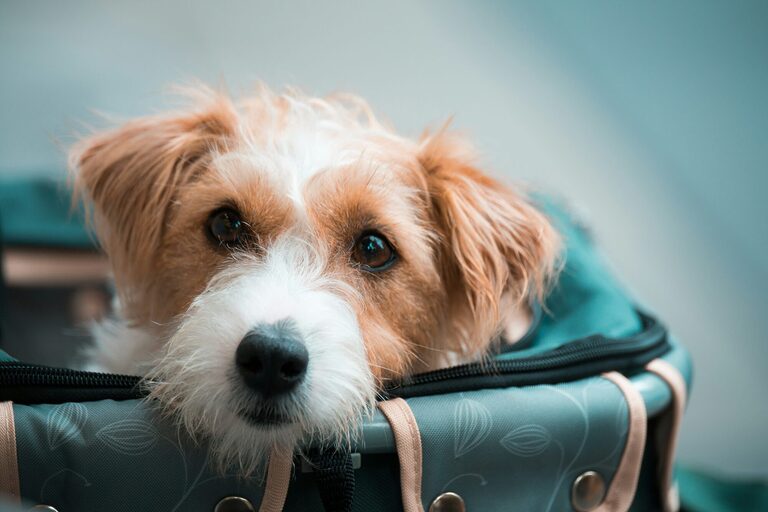
Not every carrier that looks the correct size will be accepted at the gate. Look for models labelled airline-approved and designed to compress slightly beneath different seat types.
Good features include mesh panels for ventilation, a sturdy yet flexible frame, secure zips and a washable base. Many experienced pet travellers also keep spare absorbent pads and a small towel in the side pocket just in case.
Travel hack: Check your airline’s aircraft type before purchasing a carrier. Under-seat dimensions can vary significantly between airlines and aircraft models.
How to Keep Dogs Calm During Flights?
Cabin pressure changes, engine noise and unfamiliar smells can unsettle even a well-prepared dog. These flying-with-dogs tips can make a real difference.
- Cover most of the carrier with a light, breathable cloth to reduce visual stimulation
- Speak in a low, steady voice occasionally rather than checking on your dog constantly
- Bring a small chew toy your dog already associates with calm, quiet time at home
- Keep your own body language relaxed, as dogs often mirror their owner’s emotions
- Avoid opening the carrier during the flight unless instructed by cabin crew
Another useful tip is to avoid introducing new treats or calming products on travel day. Test them at home first to ensure your dog responds well.
Food, Water and Toilet Breaks
Managing food and water is an important part of any pet travel checklist.
- Offer a little water before boarding, then use ice cubes or small amounts of water during longer flights
- Skip a full meal immediately before departure and offer a light meal several hours beforehand
- For flights longer than four hours, ask your vet for guidance on feeding schedules
- Take your dog for a proper toilet break as close to boarding time as possible
- Pack puppy pads in the carrier as a precaution, as travel stress can sometimes affect bladder control
- Bring a collapsible travel bowl in your carry-on bag for use after landing
Common Mistakes to Avoid
- Booking a flight without confirming pet availability and later discovering the quota is full
- Buying a carrier based on your dog’s size without checking airline requirements
- Forgetting health certificates or packing them in checked luggage
- Assuming every fare class follows identical pet policies
- Sedating a dog without veterinary advice
- Skipping carrier practice sessions before travel day
- Booking very tight flight connections when travelling internationally
- Forgetting to check destination-specific pet entry requirements, vaccinations or microchip rules
Frequently Asked Questions
Not always. Some routes, aircraft types and cabin classes may not allow pets, so always check your airline’s policy before booking.
International flights almost always require one and some domestic flights do too. Obtain it from your vet close to your travel date, as many certificates have limited validity periods.
Most airlines require carriers no larger than approximately 18 x 11 x 11 inches (45 x 28 x 28 cm) that fit beneath the seat, though exact dimensions vary by airline.
Vets generally advise against sedation unless specifically recommended for your dog’s circumstances, as it can affect breathing and balance at altitude. Speak to your vet about safer alternatives if your dog is anxious.
Many countries require microchipping for entry, particularly for international travel. Even when it is not mandatory, a microchip provides an additional layer of security if your dog becomes separated from you during the journey.