Few experiences reveal more about a relationship than travelling together. Sharing flights, navigating unfamiliar places, making decisions on the go and spending extended time side by side can bring you closer in ways that everyday life rarely does. At the same time, a first trip together can uncover differences in habits, budgets and travel styles that neither of you saw coming. Learning how to travel as a new couple is not about avoiding every disagreement. It is about communicating well, managing expectations and finding a balance that works for both of you. With a little preparation and the right mindset, your first holiday together can become one of your favourite shared memories rather than a source of stress.
Overview: Quick Tips for New Couples Travelling Together
- Talk about your travel expectations before booking anything
- Agree on a shared budget and how you will split costs
- Compromise between planners and spontaneous travellers
- Set aside quiet, no-phone time each day to check in with each other
- Build in at least one romantic activity per trip
- Avoid overpacking your itinerary with back-to-back activities
- Have a backup plan for disagreements or bad days
- Choose accommodation that suits both of your comfort levels rather than prioritising price alone
- Leave space in the itinerary for spontaneous moments and downtime
- Download offline maps and travel information to reduce stress when navigating somewhere new
Setting Travel Expectations Together
Every couple trip advice list should start here, because most arguments on a first holiday as a couple come from unspoken assumptions. One partner might imagine a relaxed beach week while the other pictures a packed sightseeing schedule. Neither is wrong, but different expectations can quickly create frustration if they are not discussed early.
Before booking flights, sit down together and talk through what each of you wants from the trip. Ask questions like:
- Do we want a relaxing holiday or an active one
- How much free time do we each need
- Are we happy sharing every activity or do we want some independence
- What does an ideal travel day look like to each of us
A couple who met through hiking might assume their partner wants an outdoor adventure trip, only to find out their partner prefers museums and slow mornings. Talking this through in advance means you can build an itinerary that blends both preferences instead of one person quietly going along with the other’s plan.
Travel hack: Create a simple list of your top three priorities for the trip before booking. If one person values food experiences and the other prioritises sightseeing, you can build the itinerary around both rather than guessing what matters most.
Budgeting as a Couple
Money is one of the most common causes of tension when travelling with your partner, especially early in a relationship where financial habits are still unknown to each other. Some travellers are comfortable splurging on nice dinners while others prefer to save on food and spend more on experiences.
Practical budgeting tips for new couples:
- Set a shared daily budget before the trip so there are no surprises
- Decide early whether you will split costs equally or based on income
- Use a shared expense-tracking app such as Splitwise so nobody has to keep mental tallies
- Agree on a small “just in case” fund for emergencies like a missed flight or lost luggage
- Discuss splurges in advance, such as a fancy dinner or a spa day, so it does not feel like a surprise expense
- Check foreign transaction fees before travelling, as different bank cards can add unexpected costs
- Decide whether souvenirs and personal shopping come from the shared budget or individual spending money
A useful travel hack is to create a shared digital wallet or dedicated travel account before departure. This makes it easier to track shared expenses and reduces the need for constant repayments throughout the trip.
Managing Different Travel Styles
Not every couple shares the same travel style and that is completely normal. One partner might be a meticulous planner who books everything three months ahead while the other prefers to wing it and decide each morning. Neither approach is better, they simply suit different personalities.
Here are ways to bridge the gap:
- Split planning duties so each person handles what they enjoy, for example one books accommodation while the other researches food spots
- Build in flexible blocks of unplanned time so spontaneous travellers do not feel boxed in
- Set a rough daily plan rather than an hour-by-hour schedule
- Try alternating who chooses the day’s main activity
- Accept that compromise, not control, is the goal
- Schedule one “choose your own activity” period during longer trips, allowing each partner to explore their own interests before meeting up later
Communication Tips While Travelling
Long days of sightseeing, jet lag and unfamiliar surroundings can shorten tempers even in the happiest relationships. Good communication is what keeps small frustrations from turning into full arguments.
Try these habits:
- Check in briefly each morning about energy levels and mood
- Use simple, honest phrases like “I need a short break” instead of silently sulking
- Avoid discussing serious issues when either of you is hungry, tired or jet-lagged
- Give each other short breaks apart if you are both feeling overwhelmed, even just twenty minutes to walk alone
- Say thank you for small things, like carrying the bags or finding a good café
- Check practical needs before making plans, such as hunger, tiredness or whether someone needs a break
- Use humour when appropriate, since small travel mishaps often become funny memories later
- Avoid making important decisions while rushing for transport or dealing with travel delays
Couples who travel well together often develop a simple rule such as pausing any tense conversation until after a meal or a rest, since exhaustion tends to make small issues feel bigger than they are.
Planning Romantic Experiences
Amid the logistics, do not forget that this is also meant to be a romantic experience together. Building in intentional couple moments keeps the trip from feeling like a checklist of tourist stops.
Ideas to add romance to your trip:
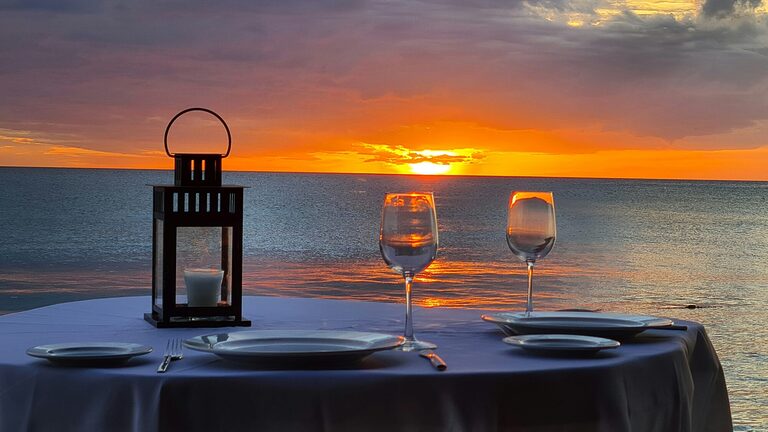
- Book one sunset dinner or scenic viewpoint activity per trip
- Take a slow walk with no destination and no phones
- Try a shared activity neither of you has done before, such as a cooking class or a couples massage
- Write a short note or leave a small surprise gift during the trip
- Take a break from photos for one activity and simply enjoy being present together
- Take one photo together each day rather than spending the whole trip chasing pictures
- Choose one meal where phones stay completely out of sight
- Watch a sunrise together at least once during the trip, especially if sunsets tend to be crowded
A couple visiting Santorini, for example, might skip the crowded photo spots one evening and instead find a quiet local taverna to watch the sunset without a queue of other tourists, turning an ordinary evening into a memorable one.
Common Mistakes New Couples Make While Travelling
Learning from other couples’ mistakes can save you from repeating them. Common pitfalls include:
- Overpacking the itinerary and leaving no room to rest
- Assuming your partner wants the same things you do without asking
- Avoiding money conversations until a problem comes up
- Not discussing personal space needs, since some people need more alone time than others
- Letting small annoyances build up instead of addressing them early
- Comparing the trip to a “perfect” version seen on social media
- Trying to spend every minute together without any personal downtime
- Focusing so much on photos and social media that they stop enjoying the experience itself
- Not building flexibility into the itinerary for weather, delays or changing moods
Travel Hacks for First-Time Couple Trips
A few simple habits can make travelling together noticeably smoother:
- Pack one change of clothes and basic toiletries in your hand luggage in case checked luggage is delayed
- Share important booking confirmations with each other instead of relying on one person’s phone
- Save your accommodation address offline before arrival
- Carry a small power bank so navigation and communication remain available throughout the day
- Agree on a meeting point whenever visiting busy attractions or markets
- Take screenshots of tickets, booking references and directions in case mobile data fails
Comparison: Planner vs Spontaneous Travel Styles
| Travel Style | Strengths | Challenges | Best For |
| Planner | Clear schedule, fewer missed bookings, less stress about logistics | Can feel rigid, less room for surprises | Couples who prefer structure and predictability |
| Spontaneous | More flexibility, room for unexpected discoveries | Risk of fully booked hotels or attractions, harder to budget | Couples who enjoy going with the flow |
| Balanced (mix of both) | Combines structure with flexibility | Requires ongoing compromise and communication | Most new couples travelling together for the first time |
FAQ: Travelling as a New Couple
Talk through expectations, budget and daily pace before you travel. Most arguments come from assumptions rather than genuine disagreements, so early conversation solves most of it.
Many couples split costs equally, though some prefer splitting based on income. Agree on the method before the trip and use a shared expense app to track spending.
This varies by person, but even twenty to thirty minutes apart each day can help each partner recharge, especially on longer trips.
Pack according to your itinerary and discuss shared items beforehand. Chargers, adapters, toiletries and travel documents are often duplicated unnecessarily when couples do not coordinate before departure.
Yes, disagreements are completely normal and do not mean the relationship is failing. What matters is how calmly and kindly you resolve them.
Not necessarily. Many couples find that occasional independent activities or short periods of personal time help them recharge and enjoy the trip more.
Plan a flexible itinerary that includes downtime. One partner may enjoy an early morning activity while the other prefers a slower start and there is nothing wrong with accommodating both styles. Travelling as a new couple is often the first real test of how you solve problems, make decisions and support each other outside your normal routine.
The couples who travel well together are rarely the ones who never disagree. They are the ones who communicate openly, compromise when needed and remember that the goal is not a perfect trip, but a meaningful experience shared together. With a little preparation, flexibility and a sense of humour, your first holiday can become the beginning of many adventures to come.