The difference between a smooth, stress-free trip and a travel nightmare often comes down to what you packed before leaving home. Whether you are heading off on your first solo adventure, backpacking across Europe with friends or planning a budget weekend getaway, having the right travel essentials can save you money, keep you safe and make every day on the road easier. Gen Z travellers are travelling more independently than ever, which means being responsible for everything from passports and payments to phone chargers and emergency backups. The good news is that you do not need to pack more, you just need to pack smarter. This guide covers the travel essentials every Gen Z traveller needs, along with practical packing hacks that make life on the road much easier.
Overview: Quick Answer for Readers
If you only have a minute, here is what matters most:
- Documents first: passport, ID, printed and digital copies of bookings
- Money split across two sources: a travel card plus a small cash backup
- A portable charger and universal adaptor for your devices
- A basic first-aid pouch with any personal medication
- A cross-body bag or anti-theft daypack to keep valuables close
- Offline maps and one emergency contact card in your wallet
- Comfortable, weather-appropriate clothing that can be mixed and matched
- A reusable water bottle to save money and reduce plastic waste
- A lightweight rain jacket or packable waterproof layer, even if the forecast looks good
- A secure cloud backup of important documents and travel information
Now let us go through each area in more detail so you know exactly why these matter and how to use them well.
Essential Travel Accessories for Teens
Think of accessories as the small items that make daily travel smoother. They are not glamorous but they solve real problems.
- Packing cubes: these keep your backpack organised and make it easier to find things without unpacking everything at once
- A microfibre towel: quick-drying and lightweight, useful for hostels or budget accommodation that does not provide towels
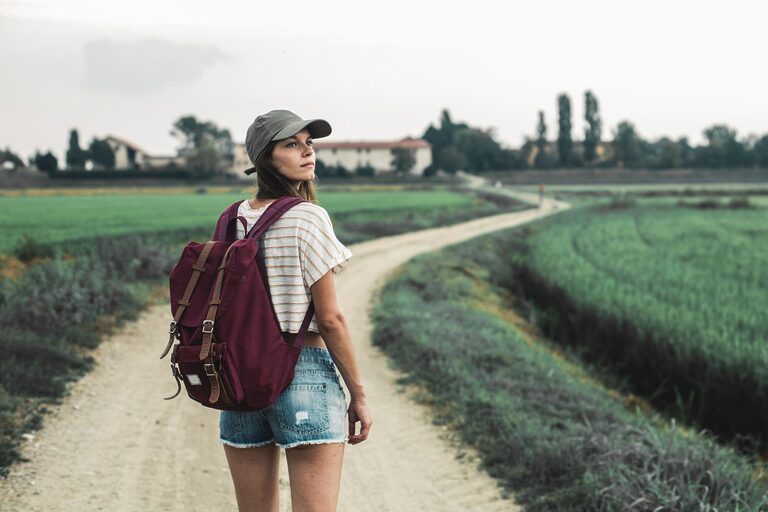
- A daypack that locks or zips securely: great for keeping your phone and wallet safe in crowded places like train stations or markets
- Earplugs and an eye mask: helpful for long flights, shared dorms or noisy city hostels
- A small padlock: many hostels have lockers but do not provide locks, so bringing your own saves you from buying an overpriced one on arrival
- A reusable tote bag: useful for groceries, beach days, laundry or unexpected shopping without needing plastic bags
- A collapsible laundry bag: keeps dirty clothes separate from clean ones during longer trips
Packing Hack: Choose packing cubes in different colours so you can separate clothing, electronics and toiletries without digging through your entire bag.
How to Prepare for Independent Travel?
This is where a proper checklist for independent teen travel planning becomes your best friend. Preparation is not about overpacking, it is about knowing what you actually need before you leave home.
Start with these steps:
- Research your destination’s basics: currency, common scams, local transport options and cultural norms around dress or behaviour
- Share your itinerary with a trusted adult or friend, including accommodation addresses and flight numbers
- Save offline maps of the city so you are never lost even without data
- Learn a few key phrases in the local language, even simple ones like hello, thank you and where is the toilet
- Set a daily budget so spending does not spiral in the first few days
- Check baggage allowances before packing to avoid surprise airline fees
- Download airline, train or bus apps before departure to access tickets quickly when travelling
Many first-time travellers find that writing everything into a simple first-time travel checklist in their phone’s notes app helps them feel more organised before the trip even begins. It also reduces the last-minute panic of wondering whether something important has been forgotten.
Travel Hack: Take photos of your luggage and its contents before travelling. This can be extremely useful if you need to make a lost baggage claim.
Safety Items Every Teen Should Carry
Safety should never feel like an afterthought when travelling alone or with friends.
- A photocopy or photo of your passport stored separately from the original, plus a digital copy saved in secure cloud storage
- A small first-aid pouch with plasters, pain relief and any prescribed medication, along with a copy of the prescription if needed
- A portable door alarm or door wedge, useful for solo travellers staying in budget accommodation
- A whistle or personal alarm, small but reassuring in unfamiliar areas at night
- Emergency contact details written on paper, since phones can run out of battery or get lost
- A spare bank card stored separately from your main wallet for emergencies
It also helps to know your embassy or consulate’s contact information before you travel, particularly if you are heading somewhere unfamiliar for the first time. This is a simple step many travellers overlook until they need it.
Travel Hack: Store a small emergency note in your wallet with your name, emergency contact number and any important medical information.
Tech Gadgets for Young Travellers
Gen Z travellers grew up with technology, so it makes sense to travel smart with the right gadgets.
- A universal power adaptor that works across multiple regions, especially useful if you are visiting more than one country
- A portable power bank, ideally at least 10,000mAh, so your phone lasts through long travel days
- A local SIM card or eSIM for affordable data instead of relying only on hotel Wi-Fi
- Noise-cancelling headphones, even budget-friendly models can make flights and long bus journeys much more comfortable
- A small tripod or phone clip, handy for content creators who want hands-free photos without asking strangers
- A charging cable organiser to stop cords becoming tangled inside your bag
- A USB charging hub if you travel with multiple devices
A practical tip many student travellers use is downloading translation apps, transport apps and offline maps before leaving home rather than trying to do it on unreliable airport Wi-Fi.
Travel Hack: Download entertainment such as music, films, podcasts or e-books before departure. Long delays become much easier when you have offline content available.
Money and Document Organisation Tips
Handling money and documents well is one of the biggest confidence boosters for new travellers.
- Use a travel money card that offers low or no foreign transaction fees
- Keep a small cash reserve in the local currency for places that do not accept cards
- Separate your cash and cards across two different bags or pockets so a lost wallet does not mean losing everything
- Scan or photograph your documents and store them in a secure cloud folder
- Carry a small document wallet for boarding passes, ID and travel insurance details
- Keep a list of emergency card cancellation numbers separate from your wallet
Here is a simple comparison to help you decide how to split your money for the trip:
| Money Method | Best For | Things to Watch |
| Travel debit card | Everyday spending and ATM withdrawals | Check for foreign transaction fees |
| Cash | Markets, tips and small vendors | Carry only a small amount |
| Backup card | Emergencies | Store separately from your main wallet |
This simple approach remains one of the most useful Gen Z packing tips because it protects you financially if something goes wrong.
Money-Saving Travel Hack: Withdraw larger amounts less frequently from reputable ATMs to reduce repeated withdrawal fees.
Clothing Packing Tips for Gen Z Travellers
Many first-time travellers overpack clothing and regret it by day two. Instead, focus on versatility.
- Choose neutral colours that can be mixed and matched easily
- Pack clothing that can be layered instead of bulky outfits
- Follow the “wear it at least twice” rule before adding an item to your bag
- Leave room for souvenirs or items you may buy during your trip
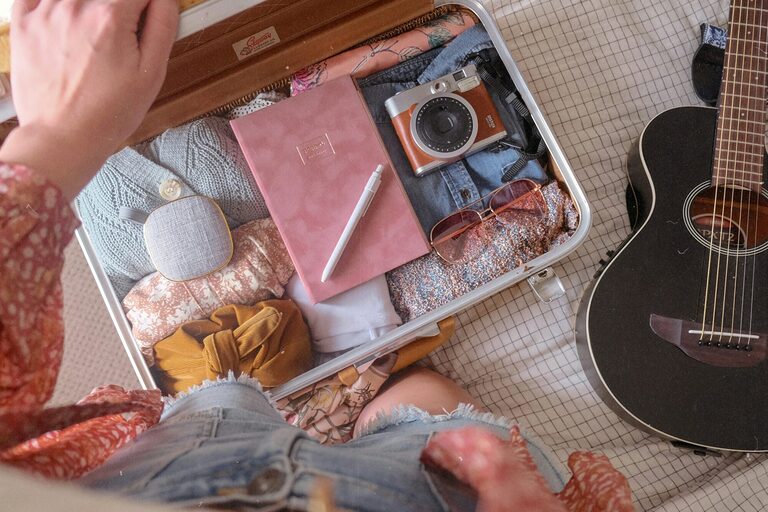
- Roll clothing instead of folding it to save space and reduce wrinkles
Packing Hack: If you are unsure whether to bring something, lay everything out and remove one-third before packing. Most travellers use far less than they expect.
Frequently Asked Questions
Your travel documents are the most important. Without your passport, ID and booking confirmations, the rest of your gear cannot help you.
A small amount for one or two days of spending is usually enough. The majority of your funds should remain on a secure card.
Yes. Phones can lose battery, signal or access to data. Offline maps or a printed map provide a reliable backup.
With proper preparation, clear communication with family and sensible safety habits, independent travel can be a safe and confidence-building experience.
Start with documents, then money and safety essentials, followed by technology, clothing and other accessories. This order reduces the risk of forgetting critical items.
Independent travel is one of the most rewarding experiences a young traveller can have. With the right accessories, a solid preparation plan, sensible safety habits and a few smart travel hacks, your first trip can feel exciting rather than overwhelming. Pack lighter than you think you need, stay organised and remember that the best travel memories rarely come from the things you packed, but having the right essentials makes it much easier to enjoy every moment.