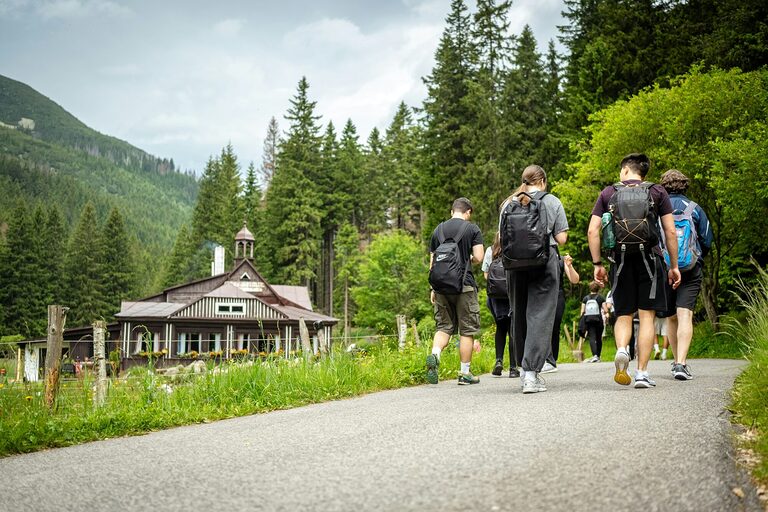
The first time you strap on a backpack and step outside your comfort zone, something shifts. Backpacking for teens is becoming increasingly popular as young travellers aged 15 to 19 seek adventure, independence and real-world experiences before adulthood fully kicks in. It can feel exciting and a little daunting at the same time, especially if you are unsure how to plan a route, pack the right gear or stay safe far from home. The good news is that with the right preparation, a first backpacking trip can be affordable, fun and genuinely life-changing.
Overview: Quick Answers for First-Time Teen Backpackers
- Start with a short trip of three to five days before attempting longer routes
- If you are under 18, check accommodation age restrictions before booking, as many hostels require guests to be at least 18
- Travel with at least one friend or trusted adult for safety and shared costs
- Choose destinations with strong hostel networks and reliable public transport
- Budget around £30 to £70 per day depending on the country and travel style
- Book accommodation with good reviews and 24-hour reception
- Always share your location and travel plans with a parent, guardian or trusted contact
- Pack light using a 40 to 50 litre backpack with a rain cover
- Carry a physical copy of your itinerary and emergency contacts
- Keep an emergency payment card separate from your main wallet
How to Prepare for Your First Backpacking Trip?
Preparation makes the difference between a smooth trip and a stressful one. Before booking anything, sit down with your parents or guardians and talk through the plan openly. Many countries require travellers under 18 to carry parental consent documents when travelling without a parent or legal guardian, so check requirements early.
A few practical steps to take before you leave:
- Research visa rules and entry requirements for your destination
- Get travel insurance that covers medical emergencies, cancellations and lost belongings
- Save digital and printed copies of your passport and identification
- Learn a few basic phrases in the local language
- Download offline maps in case you lose signal
- Set up a shared itinerary with family members so someone always knows where you are
- Check whether your mobile phone plan includes international roaming or purchase an eSIM before departure
For first-time backpacking trips, it helps to build extra buffer time between destinations. Delays happen more often than travel guides suggest, whether it is a missed train, a delayed bus or poor weather affecting plans.
Travel hack: Save accommodation addresses in both English and the local language on your phone. This makes it much easier to ask for directions or show taxi drivers where you need to go.
Best Backpacking Destinations for Teens
Choosing the right destination matters as much as the packing list. Look for places that are welcoming to young travellers, easy to navigate and known for strong safety records.
Some popular backpacking routes for young travellers include:
- Southeast Asia loop (Thailand, Vietnam and Cambodia): Affordable food and transport, plus a large network of hostels and guesthouses catering to backpackers
- Western Europe rail trip (Portugal, Spain and France): Reliable rail systems make it easy to move between cities without needing a car
- New Zealand South Island: Known for outdoor adventure, stunning scenery and excellent backpacker facilities
- Costa Rica coast-to-coast: Compact enough to explore in under two weeks, with beaches, rainforests and budget eco-lodges
- Interrail journeys across Europe: Particularly popular with older teens and young adults thanks to flexible rail passes
A real example worth noting is the popularity of the Banana Pancake Trail through Southeast Asia. It earned its nickname because many backpacker hostels served banana pancakes as a familiar breakfast and it remains one of the most popular routes for first-time independent travellers.
Important: If you are under 18, always check hostel age policies before planning your route. Some backpacker accommodation only accepts adults.
What to Pack for Backpacking?
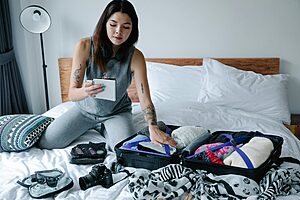
Overpacking is one of the most common mistakes new backpackers make. A heavier bag quickly becomes tiring and makes moving between buses, trains and accommodation more difficult.
Core packing list for a one to two-week trip:
- 40 to 50 litre backpack with a rain cover
- Four to five quick-dry t-shirts and two pairs of trousers or shorts
- A lightweight waterproof jacket
- Comfortable walking shoes and one pair of sandals
- A universal travel adapter and portable power bank
- A small first aid kit with essential medication
- A padlock for hostel lockers
- A reusable water bottle
- A microfibre travel towel, which dries quickly and takes up very little space
- A small laundry bag for dirty clothes
Roll your clothes instead of folding them to save space. Packing cubes are a small investment that make a noticeable difference when staying organised on longer trips.
Travel hack: Follow the “wear one, wash one, spare one” rule. Most backpackers need far fewer clothes than they think.
How to Stay Safe While Travelling?
Teen travel safety should shape every decision you make on the road, from choosing accommodation to deciding who to trust. Most trips go smoothly, but a few habits can significantly reduce risk.
Practical safety hacks worth following:
- Stick to accommodation with verified reviews and secure lockers
- Avoid posting your exact location on social media in real time
- Keep money and bank cards split between different locations
- Learn your accommodation address and save it offline
- Trust your instincts and leave situations that feel uncomfortable
- Agree on a regular check-in time with a parent or guardian
- Keep your phone charged whenever possible and carry a portable charger
- Know local emergency numbers before arriving
Hostel safety matters more than many first-time travellers realise. Ask reception staff which areas are safe to explore and whether there are neighbourhoods best avoided after dark.
Budget Tips for Young Travellers
Budget travel for teenagers is entirely possible with some planning. Costs vary significantly by region, so always research current prices before travelling.
| Region | Average Daily Budget (USD) | Cheapest Accommodation Option |
| Southeast Asia | $25 to $40 | Hostel dorm bed |
| Eastern Europe | $35 to $55 | Hostel dorm bed or guesthouse |
| Western Europe | $60 to $90 | Hostel dorm bed |
| Central America | $30 to $50 | Hostel dorm bed |
Ways to stretch your budget further:
- Cook simple meals in hostel kitchens instead of eating out every day
- Use city transport passes instead of buying individual tickets
- Travel during shoulder season for lower prices and fewer crowds
- Book overnight buses or trains where safe and practical
- Join free walking tours, which usually operate on a tip-based model
- Carry a reusable water bottle to avoid constantly buying drinks
- Use student discounts whenever available, even if travelling during school holidays
- Track spending daily through a budgeting app to avoid surprises
Frequently Asked Questions
It can be safe with proper planning, trusted accommodation and regular communication with family. However, younger travellers should carefully check local laws and accommodation age restrictions before travelling.
This varies by country, airline and accommodation provider. Some hostels only accept guests aged 18 and over, while others allow 16 and 17-year-olds with parental consent.
A sensible starting point is your estimated daily budget multiplied by the length of the trip, plus an emergency fund of at least £150 to £300.
Yes. Travel insurance is highly recommended and may be required for some activities, tours or accommodation providers.
Hostel common rooms, free walking tours, organised day trips and group activities are among the safest and easiest ways to meet fellow travellers.