Lessons from flying from cold climate London (5 Celsius) to the Swedish Arctic (-25 Celsius)
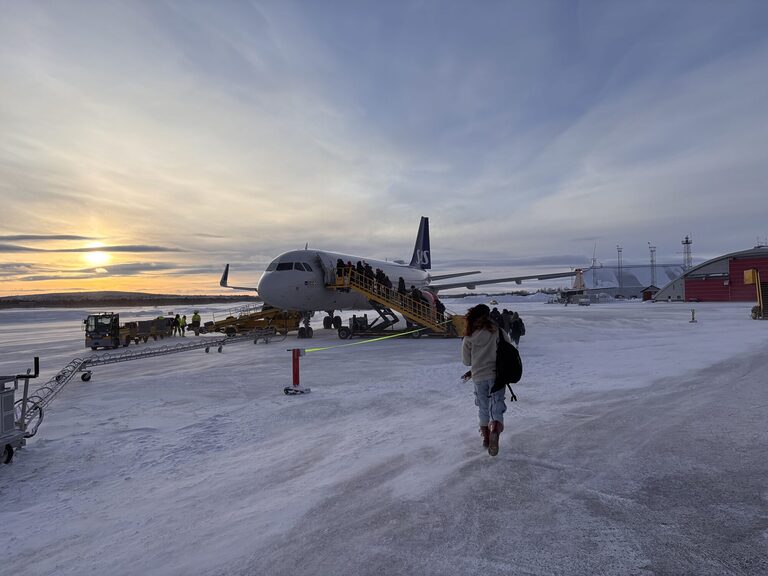
London felt mild and a light jacket was enough. Then, a few hours later, I was in the Swedish Arctic where the air bites and the wind roars. Even when everything goes to plan, Arctic travel can throw curveballs. Delayed bags, sudden disembarkation onto a windy runnway or simply stepping outside for transport can turn “I’ll be fine” into “I’m freezing” in seconds.
On this trip I made one decision that removed a lot of stress: I organised my hand luggage as if I was heading out on an expedition. I packed layers I could put on quickly without opening my suitcase and without doing an awkward rummage at baggage reclaim. While I waited for my hold luggage, I could get properly warm immediately.
This approach links closely with “Why Layer Clothing During a Flight?“, adapting quickly to temperature changes is key to staying comfortable throughout your journey.
Below are the practical habits I used and the upgrades I recommend if you want to be ready for unexpected changes, especially when you might land somewhere far colder than planned.
1) Treat hand luggage like a cold snap kit
If you only do one thing, do this. Keep your essentials together and accessible so you can react in seconds.
What I packed in my hand luggage for the Swedish Arctic:
The key wasn’t just having the gear. It was putting it where I could grab it instantly. I did not want the hassle of opening my suitcase or unpacking half a bag while everyone else is jostling around.
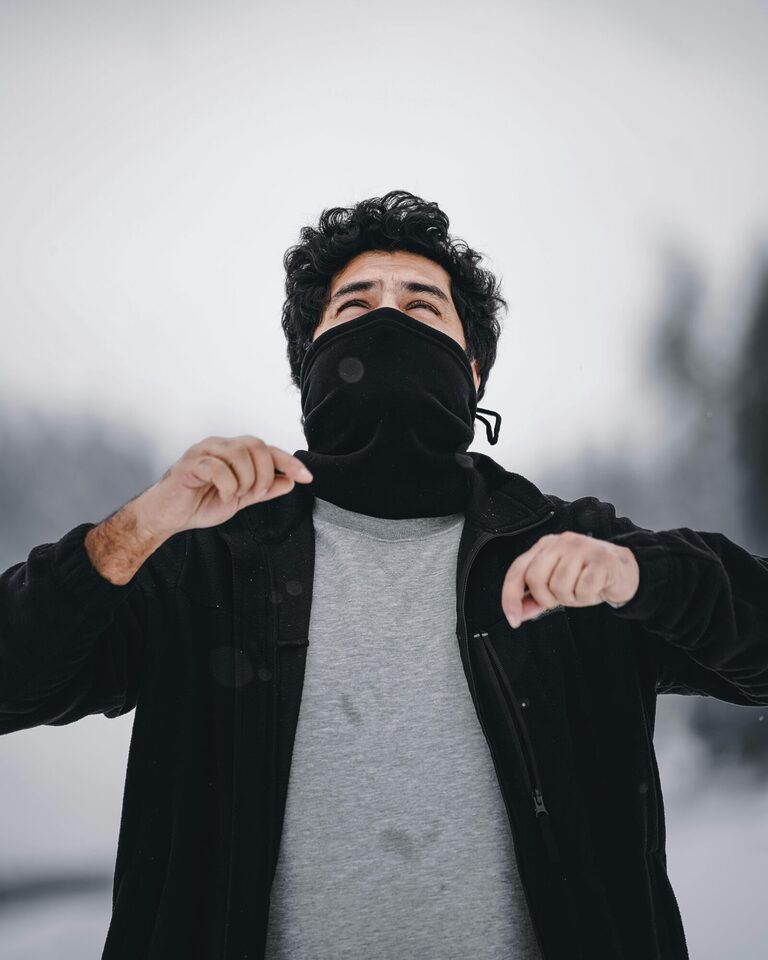
Quick improvement: put the hat, gloves and neck gaiter in jacket pockets before you land. If you need to step outside straight away you are already sorted.
2) Plan for wind and wet, not just cold
Arctic cold is one thing. Wind and snow add a new dimension to the cold climate.
A lightweight shell jacket* for wind and snow flurries
Even if the forecast looks stable, delays and diversions can put you outside longer than expected.
3) Pack for fast access
In cold conditions, the best kit is the kit you can access instantly.
Simple setup:
* Put all cold snap items in one pouch or packing cube
* Keep that pouch at the top of your personal item, not buried
At baggage reclaim I put my woollen socks on while waiting for hold luggage. I had put on all the other gear on before leaving the plane as we had to walk across the runway.
4) Think in time windows: 5 minutes, 60 minutes, 6 hours
Different disruptions need different levels of readiness.
5 minutes outside
For walking across a windy car park, waiting for a shuttle, or stepping onto a tarmac:
* Hat, gloves, down jacket, buff
* Windproof layer if you have it
60 minutes
For a slow baggage belt, transport delays, or a queue for taxis:
* Spare socks
* Hand warmers
* Hot drink plan plus a bottle you can refill
6 hours plus
For a major delay, missed connections, or lost luggage:
* Basic toiletries
* A spare base layer top
* Any essential meds
* Power bank and cable
5) Wear a base layer that works in both climates
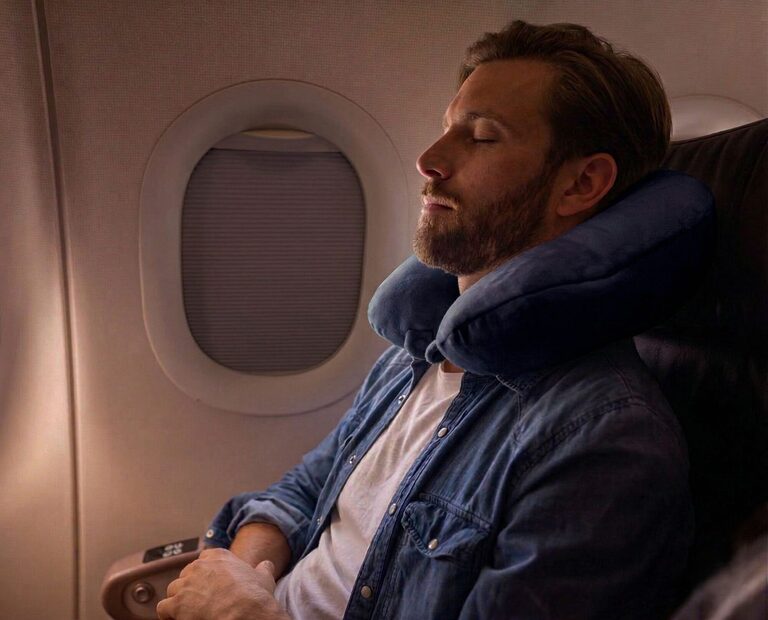
This is the trick when you start in a mild place like London. You want to be comfortable on the journey but also ready to stack warmth when you land.
A good travel choice:
* A light merino or synthetic base layer – I always travel with a merino tee as it doesn’t smell after a flight
* Trousers that still work if it turns into cold climate – preferably not jeans
* One midlayer you can add without changing outfits – a fleece jacket or jumper
You are not dressing for the Arctic at Heathrow. You are dressing so you can become Arctic ready in under two minutes.
For a deeper understanding of how to build this type of system, see “A Quick Starter Guide to the 3-Layer System for Cold Weather“, which breaks down each layer in a simple way.
6) Don’t let your phone be a problem
When plans change, you need your info and power.
Keep accessible:
* A power bank
* A short charging cable
* Offline copies of boarding passes, hotel details, and maps
* One physical bank card that is not stored in your phone case
If you are stranded, low battery turns a minor hassle into a bigger problem. In cold climate weather batteries rundown quicker
7) The lost luggage fallback for cold destinations
If your hold luggage is delayed in the Arctic, you still need to function safely.
Minimum viable kit in hand luggage:
* Base layer top
* Spare socks
* Down jacket
* Gloves
* Shell jacket if possible
* Toiletries mini plus any essentials
This is not about comfort. It is about staying warm enough to wait, move and problem solve without stress. Having had luggage left behind on a couple of occasions, I always make sure that I have the essentials in my luggage. In some more out-of-the-way places, you cannot buy replacements for love or money.
8) The simple rule I use now
Whenever there is even a small chance I could end up somewhere colder than planned, I pack hand luggage for:
* Core warmth
* Extremity warmth
* Wind and wet protection
* Power and documents
It’s a small amount of extra thought that buys you a lot of resilience.
Final thought
The difference between a smooth Arctic trip and a miserable one is often not the quality of your suitcase. It’s whether your critical layers are in reach at the exact moment you need them. Leaving warm London for the Swedish Arctic reminded me that preparedness is not about packing more. It’s about packing smarter so you are prepared.
*This article contains affiliate links. If you make a purchase, we may earn a small commission at no extra cost to you.