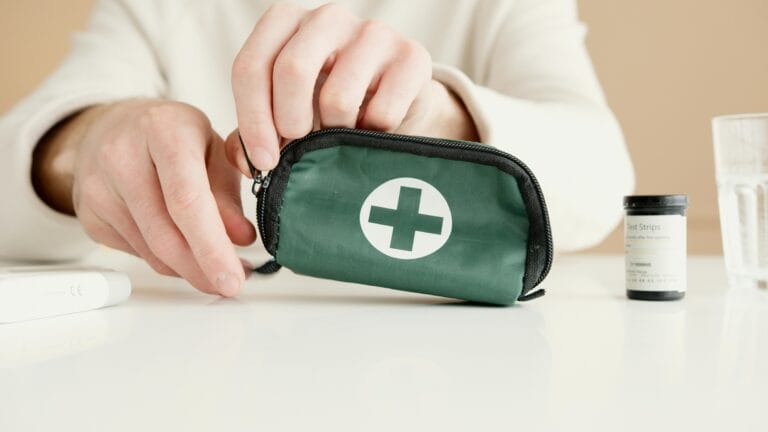
Accidents don’t wait for a convenient time. Whether you are at home, on a road trip or hiking a remote trail, a first aid kit is your first line of defence against infection and further injury. Before packing, review “Travel First Aid Kit Check: Check for Expiry Dates & Documentation” to ensure all medications are within their expiry dates and that documentation such as prescriptions is up to date.
Why Every Household (and Suitcase) Needs One?
Having the right supplies to hand allows you to act fast. It helps you manage minor injuries like cuts, stings or sprains before professional medical help is available. For those on the move, it isn’t just a convenience; it’s a necessity. Consider the guidance in “Tailoring Your Kit to Your Destination” to adapt your kit for the environment you’re travelling to, whether it’s a tropical beach, a mountain trek or a city break.
The Essentials: What to Pack
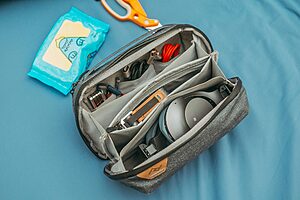
A basic kit should cover the most common mishaps. Ensure you have:
- Wound Care: Plasters (various sizes), sterile dressings and adhesive tape.
- Hygiene: Antiseptic wipes and disposable gloves.
- Tools: Sharp scissors, tweezers and a reliable thermometer.
- Medication: Pain relief (such as paracetamol) and rehydration salts.
Pro Tip: Tailor your kit! Include child-safe dosages for families, while outdoor enthusiasts should add blister pads and compression bandages.
Maintenance and Travel Tips
A kit is only useful if it is ready for use. Organise your supplies by labelling everything clearly and keeping medicines in their original packaging to avoid confusion.
- Check Expiry Dates: Set a calendar reminder every six months to replace used or expired items.
- Know the Rules: If travelling abroad, check local laws for prescription meds and airline restrictions on liquids or “sharps”.
- Skill Up: A kit is only as good as the person using it. Take a few minutes to learn how to apply a compression bandage or clean a wound properly.
Pro Tip: Taking ten minutes today to check your kit could save you a lot of stress tomorrow. Stay safe and stay prepared!
If you want to explore a range of travel first aid kits, I have included a link to Amazon Best Sellers list* to help you find a few great options.
*This article contains affiliate link. If you make a purchase, we may earn a small commission at no extra cost to you.