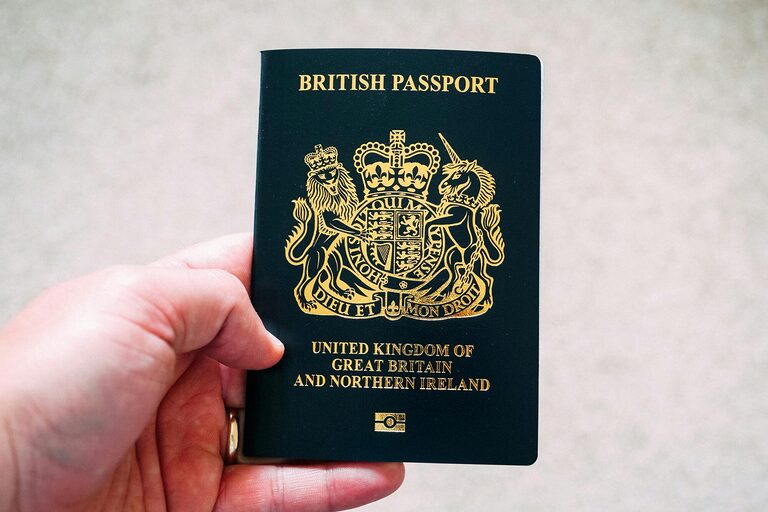
Travelling to Europe has changed for many non EU visitors. The 10 year passport rule now affects entry to European Union countries. For a detailed guide on digital entry checks, see “Digital Passport Validity Rules: What E-Gate Travellers Must Know” and “Passport Regulations: The Six-Month Rule and Condition“.
Quick Overview Of The 10 Year Passport Rule
The 10 year passport rule applies to travellers from outside the European Union.
In simple terms:
- Your passport must have been issued less than 10 years before your date of arrival
- It must usually be valid for at least three months after your planned departure
- Extra validity added in the past no longer helps
- Airlines check this before you board
If your passport is too old, you may not even be allowed onto the plane.
What Is The 10 Year Passport Rule?
The 10 year passport rule means your passport issue date matters, not just the expiry date.
In the past, some countries allowed you to carry over unused validity when renewing early. For example, UK passports once allowed extra months to be added. As a result, some passports were valid for more than 10 years.
However, European Union border rules now focus strictly on the issue date. If your passport was issued more than 10 years before your arrival date, it does not meet entry requirements.
Even if the expiry date appears valid, the issue date can still cause problems.
The key takeaway is simple: always check the issue date, not just the expiry date.
Why The Rule Catches Travellers Out?
Many travellers assume a valid expiry date is enough. Unfortunately, that assumption can lead to denied boarding.
Imagine arriving at the airport for a summer trip to Spain. Your passport expires in six months, so you believe everything is fine. Meanwhile, the passport was issued over 10 years ago because extra months were added when it was renewed.
At check in, airline staff notice the issue date. Because it falls outside the 10 year limit, they refuse boarding.
This situation happens more often than people expect because:
- Expiry dates look reassuring
- Issue dates are easy to overlook
- Rules changed after the UK left the EU
- Airlines strictly enforce entry requirements
Therefore, a quick date check at home can prevent a stressful airport experience.
How To Check If Your Passport Is Compliant?
Checking your passport takes less than a minute.
Open the photo page and look for:
- Date of issue
- Date of expiry
Count 10 years from the issue date. If your planned arrival date in the EU falls after that 10 year mark, your passport does not qualify.
In addition, most EU countries require at least three months of validity beyond your planned departure date.
For example:
- Passport issued: 15 June 2016
- Ten year mark: 15 June 2026
- Travel date: 20 June 2026
In this case, the passport would be too old for entry.
The takeaway is clear: calculate using your arrival date, not your return date.
When Should You Renew Your Passport?
If your passport is approaching the 10 year issue limit, it is usually safer to renew early.
This is especially important if:
- You travel frequently
- You have multiple EU trips planned
- Your passport was issued close to 10 years ago
- You are unsure how to calculate the limit
Renewing before booking flights reduces risk. It also avoids expensive last minute changes.
Most importantly, do not assume you can rely on extra months added in the past. That flexibility no longer applies for EU travel.
Final Thoughts On The 10 Year Passport Rule
The 10 year passport rule is straightforward once you understand it. Your passport must be less than 10 years old on the day you enter the European Union.
Check the issue date, confirm sufficient remaining validity and renew early if needed. A simple check today can prevent serious disruption tomorrow.
Understanding this rule helps you travel with confidence and avoid unnecessary airport stress.