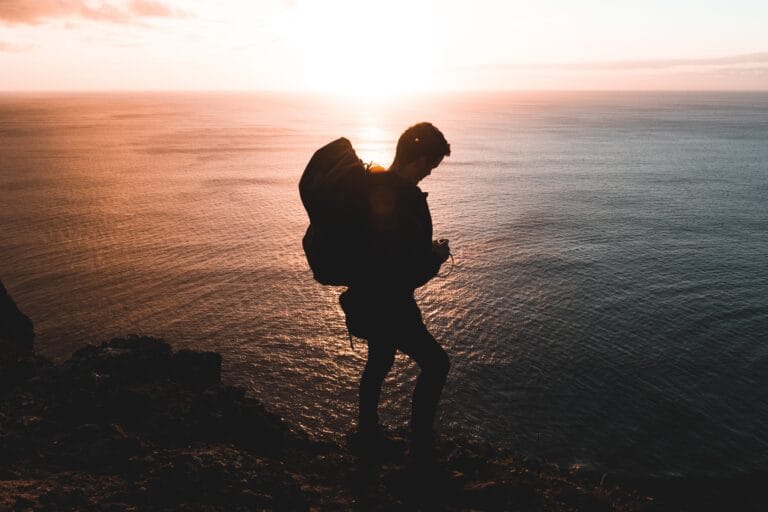
Following essential solo hiking safety tips can protect you from avoidable danger when exploring alone. One of the most important solo hiking safety tips is to tell someone exactly where you are going before you set off. It may feel like a small step, but in an emergency it can save your life.
Why Solo Hiking Safety Tips Matter?
Heading out on a solo hike can be deeply rewarding. You enjoy the trail at your own pace and connect with nature without distractions. However, hiking alone also means you carry full responsibility for your safety.
If you suffer an injury, lose your way or face sudden extreme weather, help may not be immediately available. By applying practical solo hiking safety tips, you reduce risk and improve your chances of receiving assistance quickly if something goes wrong.
Remember to adjust your kit according to the environment. “Tailoring Your Kit to Your Destination” helps you avoid overpacking and ensures you have the necessary gear for the conditions you will encounter.
Share Your Route and Timeline
One of the simplest solo hiking safety tips is to inform a trusted friend or family member about your plans. Tell them:
• Your exact hiking route
• Your starting point
• Your expected finish time
• How they can contact you
Agree on check in times during your hike. If you fail to check in, your contact can act promptly and alert authorities if necessary.
If you change your route, extend your hike or decide to explore a different trail, update your emergency contact as soon as possible. Clear communication prevents confusion and helps rescuers focus on the correct search area.
For guidance on what to include when sharing your plans, see “Share Your Itinerary – Safer Solo Travel Tips“, which explains how to safely communicate your route, accommodations and timings with trusted contacts.
Prepare for the Unexpected
Responsible hikers go beyond sharing plans. Carry a fully charged phone, a portable power bank*, adequate water, basic first aid supplies* and survival kit*. Check the weather forecast before leaving and understand the terrain difficulty.
Many parks and hiking areas recommend leaving trip details with someone at home. In some regions, local authorities actively encourage this practice as part of standard outdoor guidance.
Solo hiking does not mean disappearing completely. By following reliable solo hiking tips and sharing your plans, you combine independence with smart preparation. That simple act of communication could make all the difference in a critical situation.
*This article contains affiliate links. If you make a purchase, we may earn a small commission at no extra cost to you.