Staying safe with water and ice abroad is essential for protecting your health while travelling. Water quality varies across destinations and even something as simple as ice in a drink can expose you to harmful bacteria. By understanding the risks and taking sensible precautions, you can reduce the chances of illness and enjoy a smoother journey.
For guidance on maintaining hydration safely in the air, see our article “Stay Hydrated on Flights: Be Smart Where Water Comes From“, which explains how to manage water intake during flights and the importance of safe water sources.
When travelling, it is important to remain mindful of water safety. Ice is often made from tap water, which in some regions may not be properly treated. If contaminated, it can cause illnesses such as traveller’s diarrhoea. Hygiene standards also differ worldwide, so ice handling and storage may not always meet the same standards you are used to at home.
Practical Tips for Staying Safe with Water and Ice Abroad
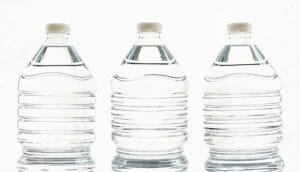
To reduce risk, choose bottled or properly purified water and always check that the seal is intact before opening. Avoid ice unless you are certain it has been made from filtered or treated water. It is also wise to be cautious with raw fruit and vegetables that may have been washed in tap water.
For extreme situations or survival guidance, review “Survival Without Water or Food: How Long Can Your Body Endure?” to understand your body’s limits and the importance of staying hydrated.
Use bottled or boiled water when brushing your teeth in higher risk destinations. Keep your mouth closed in the shower to avoid accidental ingestion. These small habits make staying safe with water and ice abroad much easier.
Water Safety Considerations by Region
Water quality differs worldwide and some areas require extra caution:
Africa: Water treatment varies, especially in rural areas.
South & Southeast Asia: Bottled or purified water is recommended in some parts of India, Bangladesh, Nepal, Myanmar, Cambodia and Indonesia.
Latin America: Water safety varies; some areas in Mexico, Guatemala, Peru and Bolivia may require precautions.
Middle East: Major cities have good sanitation, but rural areas may pose risks.
Regions with Reliable Water Treatment
Tap water is generally safe to drink in South Korea, Japan, Singapore, Western Europe, North America. However, in Australia and New Zealand, tap water is usually safe in urban areas, but travellers should double-check in more remote regions.
WHO Guidelines on Water Safety
The World Health Organization (WHO) provides global water safety guidelines, including advice for travellers. Their Guidelines for Drinking-water Quality help ensure safe water access worldwide. Check the WHO’s International Travel and Health resources before your trip for the latest recommendations.
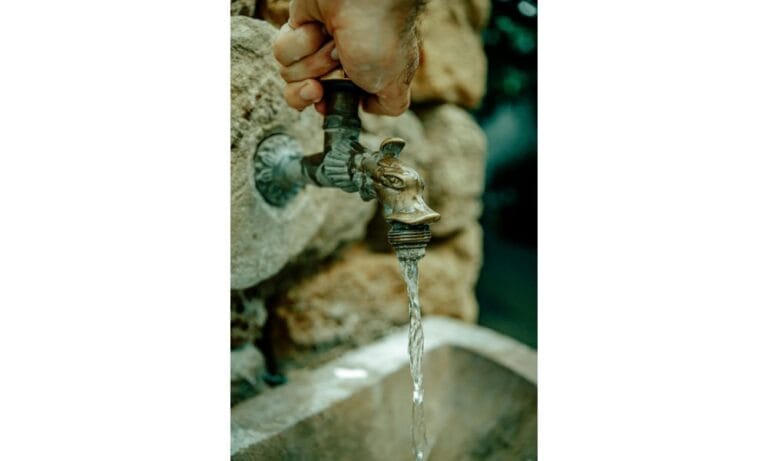
Top Tip: In some European countries like Italy the cities have old water fountains dotted all around which is a life-saver in the summer heat and a money-saver!