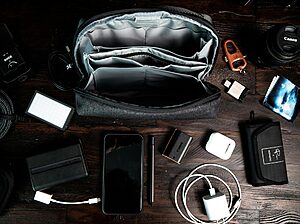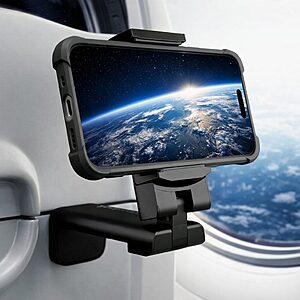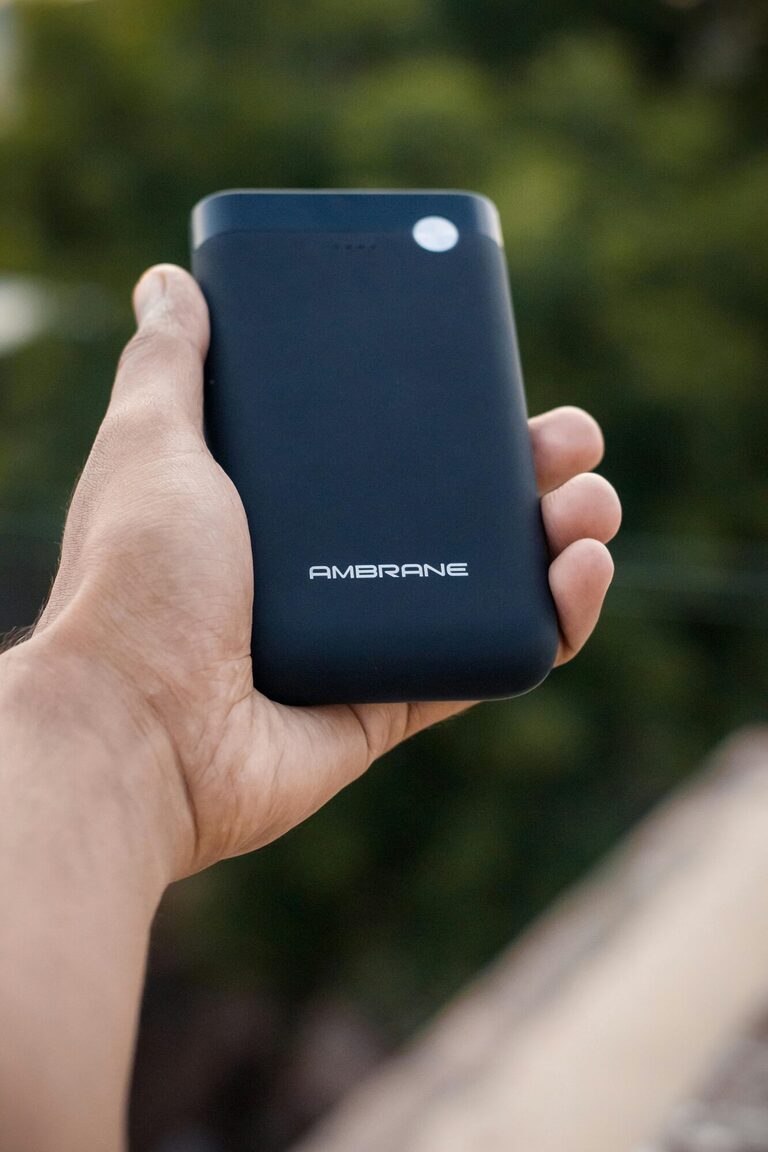
Keeping your devices charged is essential when travelling long distances, especially on long-haul flights where seat power may be limited or unreliable. From smartphones and smartwatches to tablets and headphones, most travellers now carry multiple devices that need regular charging. Having a reliable power setup ensures you can stay entertained, productive and connected throughout your journey. For a broader setup, see “Best Digital Travel Accessories for Long Flights” to build a complete tech kit.
Why a Good Charging Setup Matters?
Airline seats do not always provide consistent power and some older aircraft may only offer USB ports with slow charging speeds. Bringing your own charging solution removes uncertainty and gives you control over how and when your devices recharge.
Core charging accessories include:
- Power banks for backup energy
- Compact multi-port chargers for efficient charging
- Universal travel adapters for international connections
Don’t overlook basics like portable batteries—“Never Forget to Carry a Power Bank” explains why they are essential.
Understanding Battery Size and Weight
Power banks come in different capacities, usually measured in milliamp-hours (mAh) and the size you choose affects both weight and performance.
- Small power banks (5,000–10,000 mAh): Lightweight and pocket-friendly, ideal for topping up a phone once or twice.
- Medium power banks (10,000–20,000 mAh): A popular balance between weight and capacity, often enough to charge several devices during a flight.
- Large power banks (20,000 mAh+): Heavier but capable of charging phones, tablets and accessories multiple times — useful for very long trips.
If you travel light, a smaller battery reduces carry-on weight. For longer journeys or multiple devices, a larger power bank may be more practical despite the extra bulk.
Airline Capacity Limits: What You Need to Know?
There are limits on lithium battery capacity when flying, but these rarely affect everyday travellers. Most airlines allow power banks under 100Wh in carry-on luggage without special approval, which covers the vast majority of consumer devices. Larger batteries may require airline permission, but typical phone chargers, earbuds and tablets fall well within accepted limits. The main rule to remember is that power banks should travel in your cabin bag rather than checked luggage.
How Many Devices Can You Charge?
The number of devices a power bank can recharge depends on both battery size and charging efficiency. As a general guide:
- A medium power bank can usually recharge a smartphone two to four times.
- Larger models may handle a phone, wireless earbuds and a smartwatch several times before needing a recharge themselves.
Using a multi-port charger also allows you to power several devices simultaneously from one wall socket during layovers or at your destination.
Helpful Features to Look For
Modern power banks often include a digital display showing the remaining battery percentage. This small feature can make a big difference when travelling, helping you decide when to recharge and avoid running out of power mid-flight.
Other useful features include:
- Fast-charging support
- USB-C ports for newer devices
- Slim designs that fit easily into a seat pocket
Travelling in China: CCC Certification Considerations
If your journey includes domestic flights within China, you may notice that some electronic accessories, including power banks, are expected to carry a CCC (China Compulsory Certification) marking. This requirement is generally aimed at products sold or used within the Chinese market and is more relevant for internal flights rather than international arrivals or departures. For most travellers flying into or out of China on international routes, everyday charging accessories are unlikely to be an issue, but it is still wise to check local airline guidance before travelling internally.
Practical Charging Tips for Flights
- Charge your power bank fully before leaving for the airport.
- Keep short charging cables in a small organiser for easy access during the flight.
- Bring a universal travel adapter so you can recharge everything quickly once you land.
- Avoid storing large batteries in checked luggage, as airlines typically require them to stay in carry-on bags.
With a well-planned charging setup, you can reduce stress and make long flights far more comfortable. Choosing the right battery size, understanding airline limits and selecting practical features like percentage displays can help you build a reliable and efficient digital travel kit.
If you want to explore a range of popular power banks, I have included a link to Amazon Best Sellers list* to help you find a few great options.
*This article contains affiliate link. If you make a purchase, we may earn a small commission at no extra cost to you.