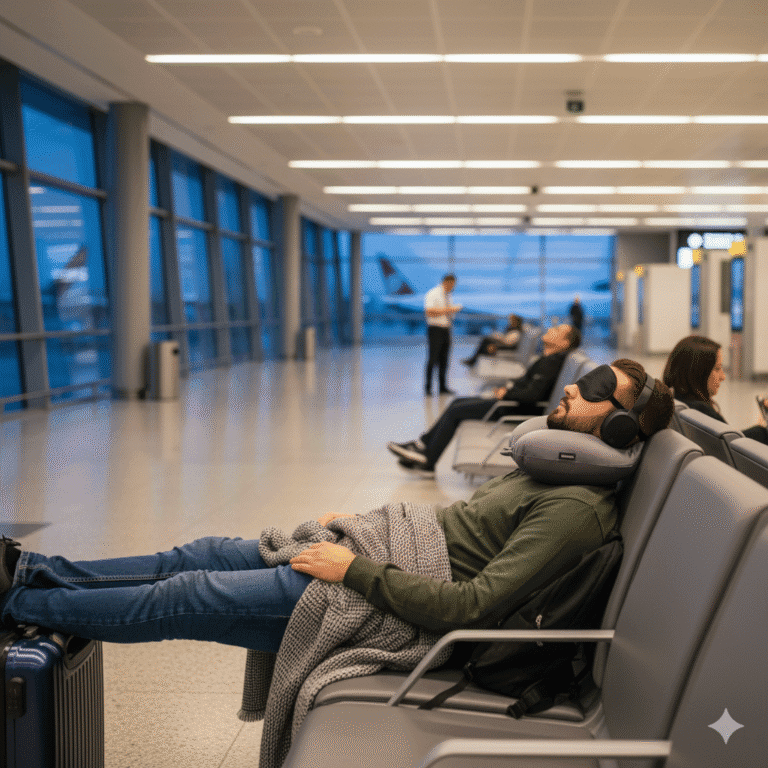
How to sleep at the airport is an essential skill for travellers facing long layovers or unexpected delays. Airport environments can be noisy and bright, but with the right approach you can rest comfortably and safely. By identifying suitable areas, using simple travel accessories and planning ahead, you can turn waiting time into restorative sleep.
Find the best place to sleep at the airport
When learning how to sleep at the airport, location matters. Look for quiet zones, designated rest areas or sections away from busy departure gates. Some airports provide sleeping pods or rest benches without armrests, which make lying down easier.
Airports often publish terminal maps online. Reviewing these before arrival helps you locate potential rest areas quickly. Corners near business lounges or less crowded gates can also offer relative calm during off peak hours.
If you are considering upgrading your waiting experience, you may also find helpful insights in our guide “The Savvy Traveller’s Guide to Airport Lounges.”
Essential items for airport sleep
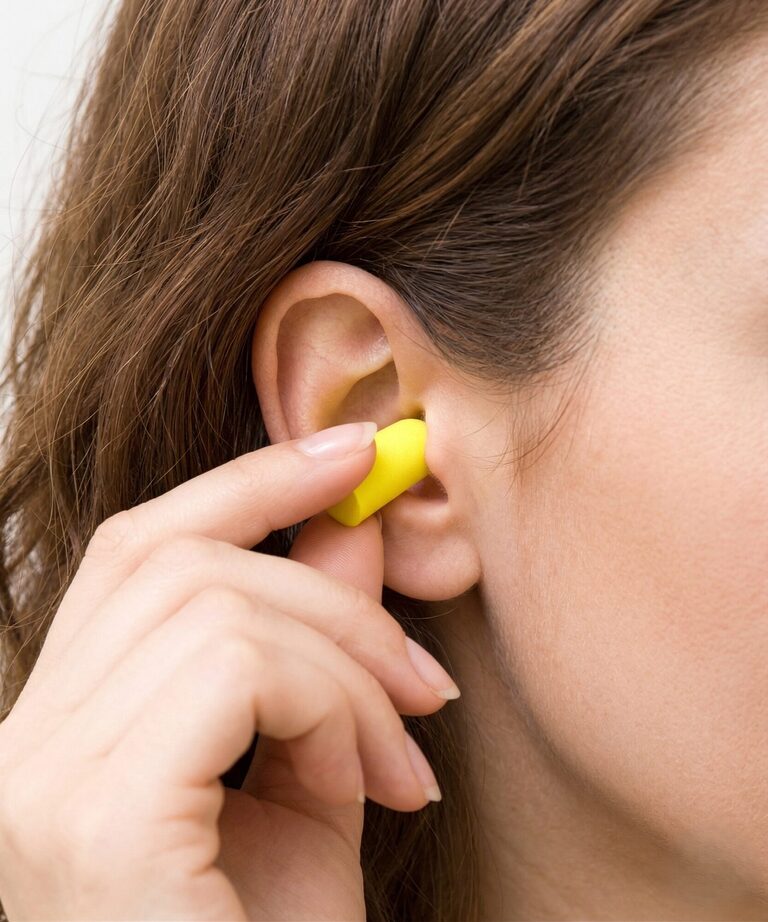
Comfort improves significantly when you prepare properly. Noise cancelling headphones* or earplugs reduce background sounds such as announcements and conversations. An eye mask* blocks harsh lighting, which is common in terminals operating around the clock.
A travel pillow* supports your neck and makes upright sleeping more comfortable. Lightweight blankets* or large scarves* provide warmth in air conditioned spaces. These items make a noticeable difference when practising how to sleep at the airport effectively.
Prioritise safety while sleeping
Safety is as important as comfort when considering how to sleep at the airport. Choose well lit areas near other travellers rather than isolated corners. Keep your belongings secure by placing straps around your arm or using your carry on as a pillow or footrest.
Avoid displaying valuables and keep essential documents close to your body. Remaining aware of your surroundings helps reduce risk while you rest.
Consider lounges and short stay options
If you know in advance that you will need to sleep, research lounge access or airport hotels. Many lounges offer quiet seating and shower facilities. Some terminals have connected hotels where you can book short stays between flights.
Although these options may involve a fee, they can provide meaningful rest before a long haul journey. Planning ahead improves comfort and reduces travel fatigue.
Practical tips for airport rest
- Arrive early to choose the best available spot
- Set an alarm to avoid missing boarding calls
- Stay hydrated but limit caffeine
- Stretch before resting to ease muscle tension
To avoid sleeping through important announcements, you may also want to read our guide “Set an Alarm for Boarding Time and Avoid Missing Your Flight.”
Understanding how to sleep at the airport helps you manage delays and long connections with greater ease. With preparation and awareness, airport sleep becomes a manageable and sometimes even refreshing part of travel.
*This article contains affiliate links. If you make a purchase, we may earn a small commission at no extra cost to you.