EU new travel rules 2025 are transforming how visitors enter and leave the European Union. Planning a holiday or business trip to Europe means adapting to new digital border systems designed to improve security and efficiency. The Entry/Exit System (EES) and the European Travel Information and Authorisation System (ETIAS) will replace traditional passport stamps with electronic records and pre travel authorisation. These changes may feel different, but they aim to streamline border crossings and enhance safety.
Digital border systems under the EU new travel rules 2025
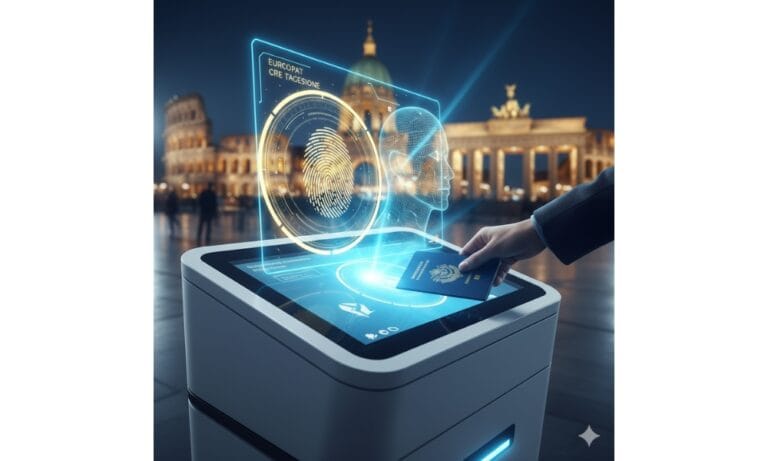
The Entry/Exit System (EES) launches in phases from October 12, 2025. Under the EU new travel rules 2025, border crossings will be registered electronically instead of relying on physical passport stamps. Travellers will provide biometric data, including fingerprints and a facial scan, on their first visit. This information helps authorities track stays within the Schengen Area and reduces the risk of overstays.
The Schengen Area comprises 29 European countries that have abolished internal border controls. Electronic registration through the EES aims to make crossings more efficient while maintaining strong security standards. Although the process differs from traditional stamping, it replaces manual checks and helps modernise border management.
What the changes mean for travellers
The shift to digital records does not prevent travel to Europe. Instead, it introduces new procedures that visitors must follow. Preparing for biometric registration and understanding how stays are tracked will help travellers avoid complications. Border officers will still verify identity, but much of the process will be automated.
ETIAS and pre travel authorisation
Following the EES, the European Travel Information and Authorisation System (ETIAS) will launch. This system requires visa exempt visitors to obtain online authorisation before travelling. ETIAS is not a visa but a security screening process similar to America’s ESTA.
Applications will incur a small fee of €20, though travellers under 18 or over 70 will be exempt. Once approved, ETIAS authorisation remains valid for three years and links electronically to your passport. Multiple trips within that period will be permitted, making travel more convenient while maintaining security.
Preparing for the EU new travel rules 2025
Travellers should familiarise themselves with these requirements well in advance. Check passport validity and ensure biometric procedures can be completed at border control. Applying for ETIAS early once it becomes available will help avoid last minute delays.
The EU new travel rules 2025 represent a move towards digital border management and enhanced security. With proper preparation, visiting Europe will remain straightforward and enjoyable.