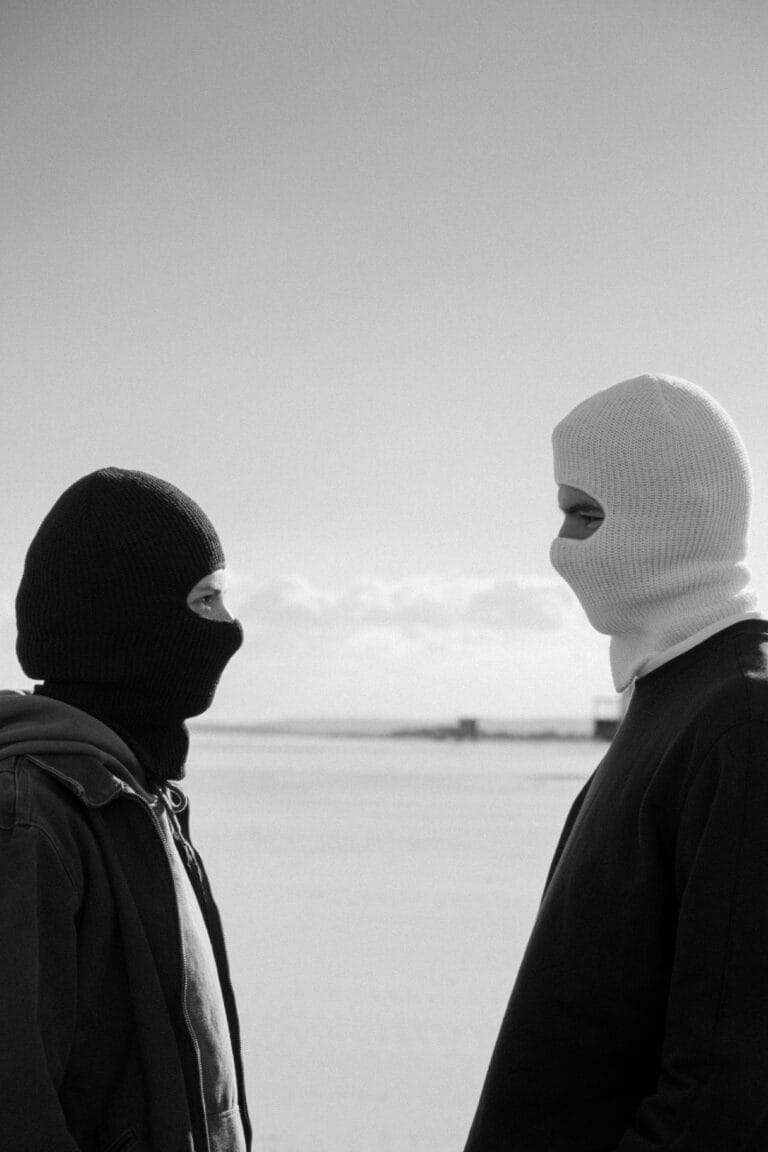
Cold weather can be harsh on your face and neck. A balaclava keeps you warm, protects your skin from wind and makes winter hikes, snowy trails or Arctic trips far more comfortable. But which material is best, silk or merino?
For guidance on staying fully prepared for cold destinations, you may also find it helpful to review “Tips for staying prepared when disembarking in a much colder climate” and “Smart Layering for Cold Weather“. These resources provide context on how to layer clothing and accessories to maintain comfort and warmth in extreme conditions.
Silk Balaclavas*
Silk is lightweight, soft and comfortable against the skin. It works well as a base layer under helmets or heavier hoods.
Benefits include:
- Thin and breathable, perfect for mild winter conditions
- Moisture-wicking, keeping skin dry during light activity
- Packable and lightweight, easy to stow in a backpack
Silk balaclavas are ideal if you want a soft, smooth feel and something light for layering. It integrate well with layering systems, as shown in cold weather layering guides, helping maintain comfort without bulk.
Merino Wool Balaclavas*
Merino wool is warmer and more insulating while still soft and breathable.
Key features:
- Excellent warmth-to-weight ratio, keeping your face cosy
- Moisture-wicking and odour-resistant, perfect for multi-day trips
- Durable, ideal for harsh winter conditions
Merino is best for cold, windy or snowy conditions when warmth is essential. It works especially well when combined with outer layers or shells recommended in smart layering guides, ensuring protection from wind and cold while maintaining breathability.
Choosing the Right Material
- Silk is great for mild weather or under helmets
- Merino is better for extreme cold or windy conditions
Some travellers combine both, using a silk liner under a merino balaclava for maximum comfort and insulation
This combination reflects layering principles from cold weather guides, providing both moisture management and thermal protection.
Practical Tips
- Pick a full-face or neck-cover design depending on your activity
- Ensure it fits comfortably under jackets or helmets
- Consider packability if you are travelling light
A good balaclava does more than keep you warm. It protects your skin, prevents windburn and keeps you comfortable on long outdoor days.
Final Takeaway
Silk and merino both have strengths. Silk is light and soft, merino is warm and insulating. Choose based on climate, activity and comfort. For serious cold-weather adventures, a silk liner under merino is a winning combination.
Integrating your balaclava choice with smart layering strategies ensures your head, face and neck stay insulated while your body layers manage core warmth effectively.
If you would like to explore a range of popular balaclavas, I have included a link to Amazon Best Sellers list* to help you find a few great options.
*This article contains affiliate links. If you make a purchase, we may earn a small commission at no extra cost to you.