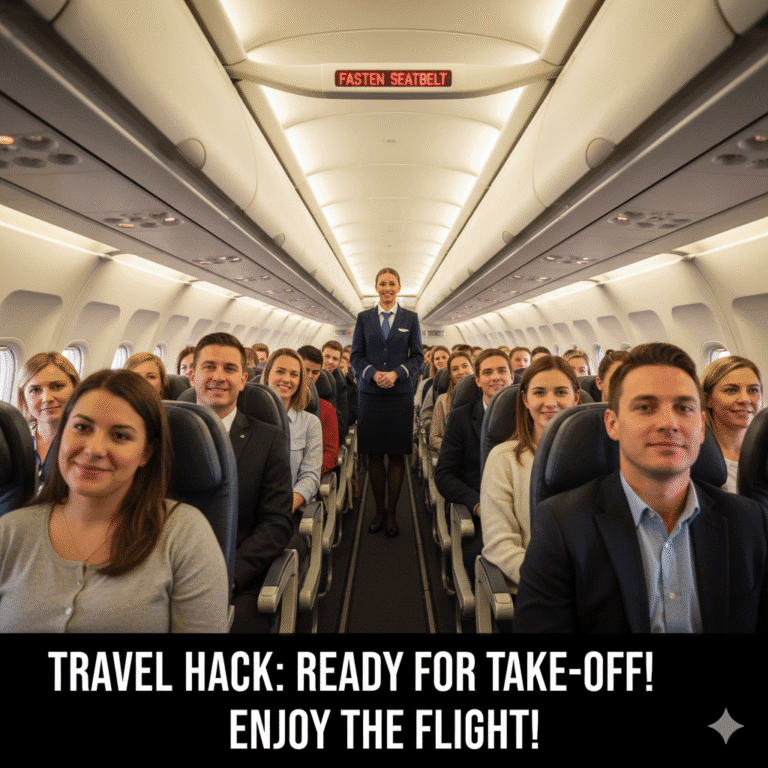
Airplane armrest safety is an important but often overlooked aspect of in-flight security. Many passengers view the armrest simply as a comfort feature or a boundary between seats, yet during turbulence it plays a vital role in reducing the risk of injury. Following basic guidance on airplane armrest helps travellers remain secure when unexpected movement occurs in the cabin.
Why Airplane Armrest Safety Matters?
For many seasoned flyers, the armrest is a personal space marker, a barrier against an encroaching seatmate. Yet, during periods of unexpected turbulence, cabin crew often issue a polite but firm instruction to lower your armrests. This might seem like an odd request – surely your seatbelt is enough? However, this seemingly minor action is a critical safety measure designed to prevent serious injury during sudden, violent shifts in aircraft movement.
When a plane hits significant turbulence, passengers can be violently jolted. While your seatbelt prevents you from being thrown out of your seat entirely, an unlowered armrest creates a dangerous gap. During a sudden drop or sideways lurch, your body can slide beneath a raised armrest, potentially hitting the seat structure or other passengers. Injuries in such scenarios can range from bruising to broken bones.
For tips on managing seat jolts caused by fellow passengers, you may also want to check our guide on “Stop Airplane Seat Shaking: How to Handle Seat Jolts on Flights“, which complements armrest safety during turbulence.
Understanding airplane armrest safety helps passengers appreciate why crew instructions are issued during turbulent conditions.
How Lowered Armrests Improve Safety?
By simply lowering both armrests, you create a more secure, enclosed space around your body. This adjustment helps brace you against the forces of turbulence and reduces the likelihood of sliding sideways or forward. A lowered armrest acts as a small but effective barrier, keeping you in a more stable position within your seat.
Airline safety procedures are designed with real-world risks in mind. Airplane armrest safety is one of many measures that contribute to passenger protection during flight.
For managing conflicts over shared space, our guide on “The Armrest Tug-of-War” offers practical tips for negotiating armrest use with fellow passengers while maintaining comfort and courtesy.
Practical Tips for Passengers
To enhance airplane armrest safety, always follow cabin crew instructions during turbulence. Lower armrests when requested and remain seated with your seatbelt fastened. These simple actions help create a safer environment for all passengers.
If you are travelling with children or seated next to a vulnerable passenger, ensure that armrests are in the correct position and that everyone understands the importance of staying secure during turbulent periods.
Final Thoughts
Airplane armrest safety is a quick and straightforward measure that can significantly reduce the risk of injury during turbulence. While armrests may seem like minor features of the cabin, they contribute to overall passenger stability when unexpected movement occurs.
By lowering armrests and following safety instructions, travellers help create a more secure flight environment. Small actions often make the greatest difference in aviation safety.
Travel responsibly and remember the importance of airplane armrest safety during your journey.