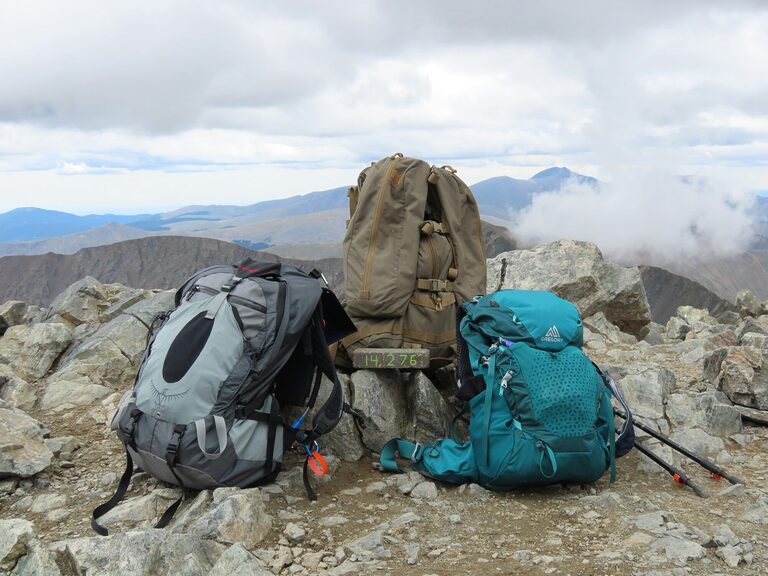
Whether you are planning your first trail walk or gearing up for a multi-day adventure, choosing the right hiking bag makes an enormous difference to your comfort, safety and overall enjoyment. Hiking bags come in many different styles, sizes and features. It is easy to feel overwhelmed when browsing a gear shop or scrolling through endless online options. The good news is that choosing becomes much easier once you understand what each type of bag is designed for.
This guide explains the different types of hiking bags and the key features to look for. It will help you head out on the trail feeling confident and well prepared.
Quick Overview: Which Hiking Bag Is Right for You?
- Day hikers and casual walkers: A small to medium hiking backpack (20–35 litres) or a sling bag works well for short trails
- Women travellers: Look for hiking bag womens-specific fits with narrower shoulder straps and a shorter torso length for better weight distribution
- Men with heavier loads: Hiking bags for men tend to offer wider hip belts and longer torso lengths to carry weight more comfortably
- Minimalist or fast hikers: A hiking sling bag or crossbody hiking bag is ideal for light, quick movement
- Urban hikers and festival-goers: A hiking bum bag is a brilliant choice for hands-free convenience
- Multi-day trekkers: A 50–70 litre backpack with a frame is the most practical option
- Hot-weather hikers: Always prioritise a water bag for hiking (hydration bladder system) to stay hydrated on the go
If you are still building your hiking kit, this guide on must-have hiking accessories for beginners helps you understand the essential items you should always carry.
Types of Hiking Bags: Understanding Your Options
Not all hiking bags are created equal and the right choice depends entirely on the kind of trip you are doing. Here is a breakdown of the most common types.
Traditional Hiking Backpack
This is the classic option most people picture when they think of hitting the trails. A standard hiking backpack* sits on your back, distributes weight across your shoulders and hips and comes in sizes ranging from compact 20-litre daypacks to large 70-litre expedition packs.
For most day hikers, a 25–35 litre pack is the sweet spot. It is large enough to carry a packed lunch, spare layers, a first aid kit, water and other essentials without feeling like you are hauling a house on your back. If you are heading out for a weekend or longer, you will want to move up to a 50-litre pack or above.
One thing worth noting from personal experience, many beginners make the mistake of buying the biggest pack they can find, thinking more space is always better. It rarely is. A larger bag encourages overpacking, which quickly leads to sore shoulders and knees by the end of the trail.
Hiking Sling Bag
A hiking sling bag* is a single-strap bag worn diagonally across the chest or back. It is a fantastic option for shorter hikes where you do not need to carry much gear. The main appeal is accessibility. You can swing the bag around to the front without taking it off, making it easy to grab your phone, snacks or a map on the move.
Sling bags with water bottle holder pockets have become increasingly popular, which adds practical functionality without needing a full-sized backpack. If you are going for a casual trail walk, a nature walk in a national park or even just exploring a new city on foot, a sling bag is a wonderfully versatile companion.
Crossbody Hiking Bag
Closely related to the sling bag, a crossbody hiking bag* sits slightly lower and distributes its weight more evenly across the torso. It works well for lighter urban hikes or for travellers who want something compact and theft-resistant. Many crossbody hiking bags feature multiple zip compartments, making it easier to organise your belongings without digging through one big pouch.
Crossbody bags are not ideal for long or strenuous hikes because the uneven weight distribution can cause discomfort over time, but for half-day outings they are both practical and stylish.
Hiking Bum Bag (Waist Pack)
The hiking bum bag*, also known as a waist pack or fanny pack, has had a well-deserved comeback in recent years. Worn around the hips, it keeps your hands completely free while giving you quick access to your essentials: a phone, keys, snacks, sunscreen and a small first aid kit.
Trail runners and fast hikers particularly love the bum bag because it adds virtually no resistance to your movement. For anyone doing short, sporty hikes or participating in trail running events, this is a genuinely excellent option. It also works brilliantly as a supplement to a larger pack, acting as a front pouch for the items you need most frequently.
Shoulder Bag for Hiking
A shoulder bag hiking* style is more of a casual option, suited to light nature walks or gentle countryside strolls rather than technical trails. It sits on one shoulder, which means it is not ideal for carrying anything heavy, but for a quick walk along a coastal path or through a botanical garden, it gets the job done.
Small vs Large Hiking Bags: What Size Do You Actually Need?
Size matters more than most people realise and getting this wrong is one of the most common mistakes first-time hikers make. Here is a simple breakdown to help you decide.
| Trip Type | Recommended Capacity | What You Can Fit |
| Short trail walk (1–3 hrs) | 10–20 litres | Water, snacks, phone, light layer |
| Half-day hike (3–5 hrs) | 20–30 litres | All of the above plus extra food, first aid kit, rain jacket |
| Full-day hike (5–8 hrs) | 30–40 litres | Full day kit, extra clothing, lunch, water bladder |
| Overnight trip | 40–55 litres | Sleeping bag, change of clothes, full cooking kit |
| Multi-day backpacking | 55–75 litres | Everything including tent, stove and food supplies |
Hiking bags small in capacity (under 20 litres) are ideal for beginners or anyone heading out on a short, well-signposted trail. They are lighter, less cumbersome and easier to wear for extended periods. The trade-off is obviously less storage, so you need to be disciplined about what you pack.
Choosing the Right Fit and Size for Your Body
A bag that fits poorly will make even the shortest hike feel miserable. Here is what to pay attention to when fitting a hiking backpack.
Torso length, not height, determines fit. Many people assume bag size is related to their overall height, but it is actually your torso length (from the base of your neck to the top of your hip bone) that matters. Most hiking backpack brands label their packs as small, medium or large based on torso length.
Hiking bag womens-specific designs exist for good reason. Women generally have shorter torsos, narrower shoulders and wider hips than men. Bags designed specifically for women adjust for these proportions, placing the hip belt in a more comfortable position and angling the shoulder straps accordingly. If you are a woman buying a hiking bag, it is worth trying a womens-specific model before defaulting to a unisex option.
For men, hip belt width is crucial. Hiking bags for men often come with wider, more padded hip belts to support heavier loads. The hip belt should sit snugly on your hip bones, not your waist and should carry about 70–80% of the pack’s total weight. If the hip belt is sitting too high or too low, the bag is not the right fit. Understanding proper load balance is key when selecting a pack. This hip belt weight distribution guide explains why a well fitted hip belt can dramatically improve comfort on longer hikes.
Always try before you buy. Load some weight into the bag in the shop (most decent outdoor retailers will let you do this) and walk around for a few minutes. Your shoulders should feel supported but not pinched and the bag should not sway or bounce as you walk.
Key Features to Look For in a Hiking Bag
Once you have settled on the type and size, here are the features that genuinely make a difference in the field.
Hydration compatibility
A built-in sleeve for a water bag for hiking (hydration bladder) with a hose port at the top of the bag means you can drink without stopping or reaching for a bottle. This is particularly valuable on long hikes or in hot climates. Some sling bags with water bottle holder pockets on the side are a simpler alternative if you prefer a traditional bottle.
Multiple compartments
Bags with separate sections for your main kit, a top lid pocket for quick-access items and side mesh pockets for water bottles make it far easier to stay organised on the trail. Digging through a single cavern of a bag to find your sunscreen is nobody’s idea of a good time.
Hip belt pockets
Small zip pockets on the hip belt are one of those features that seem trivial until you have them and then you cannot live without them. Perfect for your phone, energy gels, lip balm or a snack that you want on hand without stopping.
Rain cover
Many bags come with a built-in rain cover stored in a small pocket at the base. This is worth its weight in gold on a wet day, especially if you are carrying electronics or spare clothing.
Ventilated back panel
On warmer hikes, the patch of sweat between your back and your bag can become genuinely unpleasant. Bags with a mesh back panel or a tensioned frame that holds the bag slightly away from your back allow air to circulate and keep you considerably cooler.
Attachment points and loops
Useful for clipping trekking poles, a helmet or hiking bag accessories like a dry bag or external stuff sack when you need to carry bulky items that will not fit inside.
Tips for Comfort and Weight Balance
Even the best bag becomes a burden if it is packed incorrectly. Here are some practical tips from seasoned hikers that make a real difference.
Pack heavy items close to your back and near the middle of the bag. This keeps the weight centre close to your body and reduces strain on your lower back. Lighter items like a sleeping bag or extra clothing go at the bottom and things you need frequent access to go in the top or outer pockets.
Do not overload the top of the bag. A top-heavy pack pulls you backwards and forces you to lean forward to compensate, which is exhausting over distance.
Use the sternum strap. Many hikers clip it on and immediately forget it exists, but it genuinely helps stabilise the load and stops the shoulder straps from sliding outward.
Adjust your straps at the trailhead, not just in the shop. Temperature and movement change how clothing layers sit under the bag, so take a few minutes to re-adjust before you set off.
Frequently Asked Questions
Hiking bags are specifically designed for outdoor use with features like padded hip belts, hydration compatibility, ventilated back panels and durable weather-resistant fabrics. A regular backpack lacks most of these and will be far less comfortable over long distances.
A sling bag works well for short hikes, but for anything over three to four hours, a proper two-shoulder backpack is a much better choice. Sling bags place all the weight on one shoulder, which causes fatigue and discomfort on longer outings.
For most day hikes, a 20–30 litre pack is ideal. It gives you enough room for water, food, a first aid kit, a rain jacket and spare layers without being excessively heavy.
Yes. Hiking bag womens-specific designs feature a shorter torso length, narrower shoulder straps and a curved hip belt to better match female body proportions. They are worth choosing if you plan to hike regularly.
Keep it simple. A 25–30 litre daypack with a padded back panel, a hip belt, side water bottle pockets and a rain cover covers almost everything a beginner needs. Avoid overspending on features you are unlikely to use until you know what kind of hiking you enjoy most.
Final Thoughts
Choosing the right hiking bag does not need to be complicated. The key is matching the bag to the type of hiking you actually plan to do, making sure it fits your body correctly and looking for the practical features that make life on the trail easier. Whether you end up with a compact sling bag for quick weekend walks or a 60-litre pack for a multi-week adventure, a well-chosen bag will quickly become one of your most valued pieces of kit.
Start with what suits your current plans, get out on the trail and refine your kit from there. The best hiking bag is ultimately the one that makes you want to go back out again.
*This article contains affiliate link. If you make a purchase, we may earn a small commission at no extra cost to you.