If you have ever set off on a walk feeling underprepared, you are not alone. Whether it is a blister forming by the second mile or a sudden downpour with no waterproof in sight, the wrong (or missing) outdoor walking accessories can turn a pleasant outing into a miserable experience. The good news is that sorting out the right kit does not need to be complicated or expensive. With a bit of guidance, you can be properly equipped for everything from a gentle morning stroll to a full day out on the hills.
This article walks you through everything you actually need, why each item matters and how to choose wisely without overloading your bag.
Overview: Essential Walking Accessories at a Glance
For readers who want a quick snapshot before diving into the detail:
- Footwear support: Quality walking socks and supportive insoles are just as important as the boots themselves
- Carrying your kit: A well-fitted daypack keeps your essentials accessible and your back comfortable
- Safety items: A personal safety whistle, a fully charged mobile phone and a head torch are non-negotiable on longer or more remote walks
- Weather protection: A packable waterproof jacket, a sun hat or warm hat (depending on the season) and UV-protective sunglasses cover most British weather scenarios
- Navigation: A map and compass (and the knowledge to use them) remain the most reliable tools, especially in areas with poor signal
- Hydration and fuel: A reusable water bottle and some high-energy snacks are easy to forget and easy to regret leaving behind
- Visibility aids: Reflective gear and a head torch matter for early morning, evening or low-visibility walks
Why Outdoor Walking Matters for Travellers?
Walking is one of the oldest and most accessible forms of travel. Unlike cycling or driving, it puts you directly in contact with your surroundings at a pace that actually allows you to take things in. You notice the details, the change in terrain underfoot, the smell of pine after rain, a viewpoint that no road would ever reach.
Beyond the scenery, there are practical reasons why walking appeals to so many. It is low cost, requires no special permit or vehicle and can be scaled from a gentle hour-long amble to a multi-week trek. It is also one of the most effective forms of exercise available, improving cardiovascular health, strengthening joints and supporting mental wellbeing. Research consistently shows that time spent walking outdoors reduces stress and improves mood, which is part of why so many people return to it again and again.
Footwear: Start With Your Feet
Before you think about what goes in your bag, get your feet sorted. Blisters and aching arches are among the most common complaints from walkers of all abilities and the majority are entirely preventable.
Walking Socks
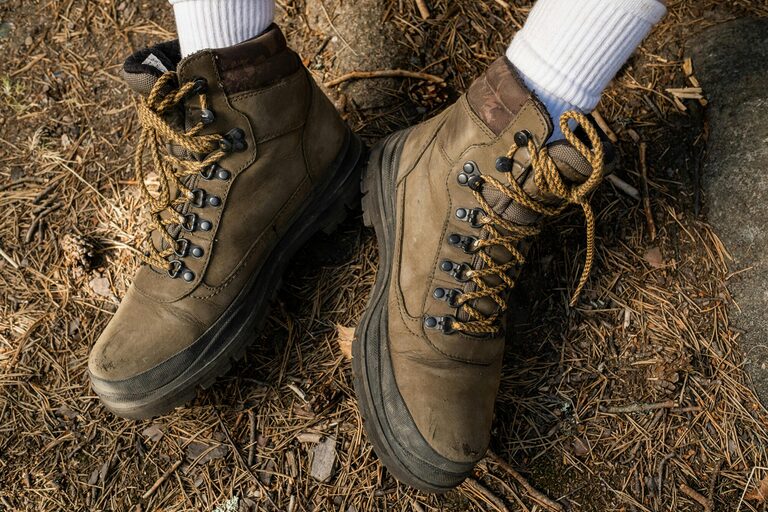
A good pair of walking socks* is one of the most impactful purchases you can make. Cheap cotton socks hold moisture against your skin, which causes friction and blisters. Wool-blend socks, particularly merino wool, manage moisture, regulate temperature and resist odour far more effectively.
Look for cushioning in the heel and ball of the foot, a snug arch fit and a reinforced toe box. Brands like Darn Tough, Bridgedale and Smartwool are consistently well-reviewed. For women’s walking accessories specifically, options designed around a narrower heel and higher arch make a real difference in comfort. Always carry at least one spare pair on any walk over two hours.
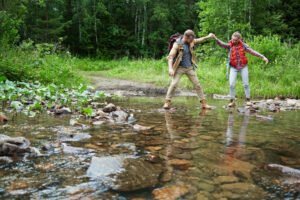
For walkers dealing with frequent wet conditions or stream crossings, exploring a complete guide to waterproof socks can help you decide whether they are a practical addition to your walking gear for keeping feet dry and comfortable over longer distances.
Insoles
Most walking boots come with basic insoles* that offer minimal support. Aftermarket insoles from brands like Superfeet or Sidas can significantly improve comfort, particularly if you experience knee or ankle discomfort on longer routes. A gait assessment at a specialist outdoor retailer is worth doing if problems persist.
Bags and Packs: Carry Smart
For most day walks, a 20 to 30 litre daypack is the sweet spot. It is large enough for a waterproof jacket, water, snacks and a first aid kit, but compact enough not to weigh you down.
Fit matters enormously. The hip belt should sit on your hip bones and take around 70 to 80 percent of the weight off your shoulders. For hill walking accessories, look for a pack with external attachment points for trekking poles, a rain cover and easy-access side pockets. Osprey, Deuter and Lowe Alpine offer reliable options at various price points.
For men’s walking accessories, a slightly longer torso length and wider shoulder straps improve carrying comfort significantly. Many brands now offer gender-specific fits, which is worth seeking out.
Safety Accessories: Do Not Leave These Behind
Safety accessories are frequently left at home because people assume they will not need them. That logic tends to unravel at the worst possible moment.
Whistle
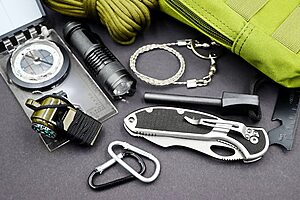
A whistle carries far further than shouting, especially in wind or rain. Six blasts repeated at intervals is the universal distress signal in the UK. A Fox 40 or Acme Thunderer weighs almost nothing. Clip it to your pack strap and forget about it until you need it.
Head Torch
Conditions change faster than you expect. A twisted ankle an hour from the trailhead could mean walking back in the dark. For essential hill walking equipment, carry a torch with at least 100 lumens and a red light mode. Petzl and Black Diamond are reliable choices. Keep spare batteries in a small ziplock bag.
Mobile Phone and First Aid Kit
Download offline maps using OS Maps or ViewRanger before you set off. Many rural areas in the UK have poor or no signal and this is especially relevant on hill walks. In an emergency, dialling 999 and asking for Mountain Rescue is the correct procedure.
A basic first aid kit should include blister plasters, wound closure strips, a small bandage, antiseptic wipes, pain relief and an emergency foil blanket. Lifesystems and Adventure Medical Kits both produce compact, well-assembled options.
Weather Protection: Dress for All Conditions
Anyone who has walked in the UK and Europe knows the weather rarely does what it promises.
Waterproof Jacket
A packable waterproof jacket with taped seams and a hood is arguably the most essential item on this list. Gore-Tex and eVent are premium waterproof membranes worth the investment for regular walkers. Budget options from Decathlon’s Forclaz range perform well for casual use. For walking hiking accessories, look for a jacket that also functions as a windproof on dry but breezy days.
Hats, Gloves and Gaiters
In summer, a wide-brimmed hat protects against sun and heat. On exposed ridges, temperatures can be far lower than in the valley even in warm months, so a lightweight beanie takes up almost no space and earns its place. Lightweight liner gloves are worth carrying from autumn through to late spring.
Gaiters are often overlooked but keep mud and water out of your boots on boggy ground and in light snow. Lightweight trail gaiters from Outdoor Research or Sealskinz are worth considering if you walk regularly in wet conditions.
If you are unsure whether they are worth adding to your kit, reading a complete guide to hiking gaiters can help you understand how they protect your boots from mud, water and debris on longer or more challenging trails.
Navigation: Know Where You Are Going
Map and Compass
Technology is useful until the battery dies or the signal drops. Ordnance Survey 1 out of 25,000 Explorer maps are the gold standard for walking in the UK, giving detailed information about paths, contours and land access. A Silva Expedition or Suunto A-10 compass is perfectly adequate for most walkers. For essential hill walking equipment, a waterproof map case is a simple but important addition.
Trekking Poles
Trekking poles reduce strain on your knees on downhill sections and improve balance on uneven terrain. Collapsible poles stow neatly on your pack when not needed. Leki, Black Diamond and Komperdell offer well-regarded options. Rubber tips for hard paths and carbide tips for rocky ground are both worth having.
Hydration and Nutrition: Do Not Underestimate Either
Dehydration is a common cause of fatigue and poor decision-making on walks. Carry at least one litre of water for walks under two hours and closer to two litres for longer routes. Hydration bladders from Platypus or CamelBak make it easy to drink without stopping. Water purification tablets are worth packing on multi-day routes.
For snacks, high-energy options like nuts, dried fruit, oat bars and dark chocolate are compact and do not require refrigeration. Eating little and often is more effective than waiting for one large meal on the trail.
Essential Walking Gear Checklist
Always carry:
- Wool-blend walking socks and spare pair
- Supportive insoles
- Daypack with hip belt
- Packable waterproof jacket
- Water (minimum one litre)
- Snacks or food
- Mobile phone with charge and offline maps
- Safety whistle
- Head torch with spare batteries
- Basic first aid kit
- Appropriate hat for the season
For hill and moorland walks (essential walking kit):
- OS Explorer map in a waterproof case
- Compass
- Trekking poles
- Gaiters
- Spare mid-layer or fleece
- Emergency foil blanket
- Water purification tablets
Comparison Table: Accessories by Walk Type
| Accessory | Short Stroll | Half-Day Walk | Full Day Walk | Hill Walking |
| Walking socks | Recommended | Essential | Essential | Essential |
| Daypack | Optional | Recommended | Essential | Essential |
| Waterproof jacket | Optional | Recommended | Essential | Essential |
| Head torch | No | Optional | Recommended | Essential |
| Safety whistle | No | Optional | Recommended | Essential |
| Map and compass | No | Optional | Recommended | Essential |
| Trekking poles | No | Optional | Optional | Recommended |
| Gaiters | No | No | Optional | Recommended |
| First aid kit | No | Recommended | Essential | Essential |
Frequently Asked Questions
For short walks on dry days, any comfortable sock will do. For anything over an hour or in wet conditions, wool-blend socks make a real difference. They reduce moisture against the skin and significantly lower the risk of blisters.
It is difficult to name just one. A whistle, a head torch and a fully charged phone with offline maps are collectively the minimum for any hill walk. Of these, a whistle costs almost nothing and is consistently underrated.
Yes, particularly on descents. Beginners often find their knees ache on downhill sections and poles reduce the impact noticeably. They also improve confidence on rocky paths and river crossings.
A jacket in the £50 to £100 range from a reputable brand will keep you dry in most rain. If you plan to walk regularly in harsh conditions or at altitude, a Gore-Tex jacket is worth the higher investment.
Beyond the standard kit, essential hill walking equipment includes a paper OS map, compass, gaiters, a warm mid-layer, an emergency foil blanket, a head torch and a whistle. In winter, add microspikes or crampons if conditions are icy.
Final Thoughts
Getting your outdoor walking accessories right is one of the most practical things you can do to enjoy walking more. Start with the basics: good socks, a reliable waterproof and a safety whistle. Build from there as your walks become longer and more ambitious. The best kit is not the most expensive kit. It is the kit you have tested, trust and actually carry with you.
*This article contains affiliate links. If you make a purchase, we may earn a small commission at no extra cost to you.