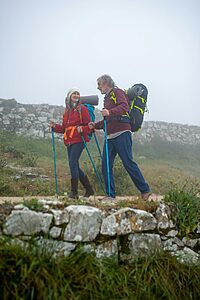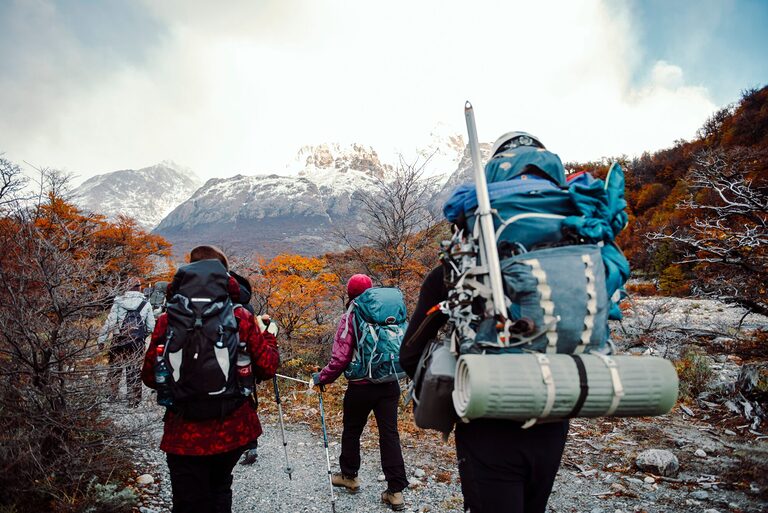
If you are planning your first trail walk and feel completely overwhelmed by gear lists, you are not alone. The must-have hiking accessories for beginners are actually far simpler than most outdoor retailers would have you believe and knowing exactly what to bring (and what to leave at home) will save you money, back pain and a fair bit of panic on the trail.
Overview: The Must-Have Hiking Accessories for Beginners at a Glance
Here is a quick snapshot of what every beginner hiker should have before hitting the trail:
- Safety gear: Compact first aid kit, emergency whistle and a head torch — non-negotiable on any route
- Navigation: Offline maps downloaded to your phone plus a paper map as backup
- Clothing: A moisture-wicking base layer, warm mid-layer and a genuinely waterproof outer shell — mountain weather can change drastically within hours
- Footwear: Broken-in trail shoes or hiking boots with merino wool socks — poor footwear is the top reason beginners struggle
- Food and water: At least 2 litres of water and plenty of high-energy snacks — hiking burns more energy than most people expect
- Pack: A well-fitted 25-litre daypack with a spare set of clothes stored in a dry bag
- Terrain aids: Walking poles for steep or uneven ground
Read on for a full breakdown of each category, a complete day hiking checklist and the most common beginner mistakes to avoid.
Essential vs Non-Essential: Know the Difference Before You Pack
One of the biggest mental hurdles for new hikers is distinguishing between what you genuinely need and what is simply nice to have. Gear marketing is excellent at blurring this line.
Think of your kit in three tiers:
Tier 1 — True Essentials: Items that keep you safe oriented and alive if something goes wrong. No negotiation here.
Tier 2 — Strong Recommendations: Items that will make your hike significantly more comfortable and are worth carrying on most day walks.
Tier 3 — Nice-to-Haves: Fun additions that suit specific trails, personal preferences or longer adventures. These are the last things you pack, not the first.
A common mistake I see with beginners is buying everything in a “top 50 hiking gear” roundup before they have even completed their first walk. Start with Tier 1, complete a few hikes and then add Tier 2 items based on what you actually missed. You will build a genuinely useful kit this way rather than a collection of dusty gadgets.
For beginners who want to understand how essentials translate into real outdoor safety, this survival camping equipment guide for beginners offers a clear breakdown of what truly matters when conditions become unpredictable in the wild.
Basic Safety Gear: The Non-Negotiables
Regardless of how short or easy your planned route is, these safety items should always be in your pack. Trails change, weather turns and ankles roll even on beginner-friendly paths.
First Aid Kit
A compact hiking first aid kit* is non-negotiable. You do not need a full hospital bag. A well-stocked small kit should include plasters in multiple sizes, blister treatments (more on this shortly), antiseptic wipes, a bandage, pain relief tablets, any personal medication you take regularly and a small pair of tweezers for splinters and thorns.
The blister treatment is worth emphasising. Blisters are the single most common reason beginners cut a hike short. Compeed or similar hydrocolloid plasters are far more effective than standard plasters and are worth every penny.
A Whistle
This sounds old-fashioned until the moment you need it. A small, lightweight emergency whistle* costs almost nothing and clips to your pack or jacket zip. If you are injured, lost or need to signal for help, three short blasts is the universal distress signal. A voice carries perhaps 100 metres in dense woodland; a whistle carries much further. The Fox 40 Classic is a popular and affordable choice used by many outdoor instructors.
A Torch or Head Torch
Even on a day hike, carry a head torch. Trails take longer than expected, sunset comes earlier in autumn and winter and a short detour can easily add an hour to your return journey. A head torch* keeps your hands free and a decent one weighs under 100 grams. For beginners, the Black Diamond Spot or similar entry-level models are brilliant starting points.
Navigation: Map and Compass (or a Reliable App)
Do not rely solely on your phone for navigation. Batteries die, signals drop and touchscreens become useless in the rain. Download offline maps before you leave using apps like OS Maps, Komoot or AllTrails. Carry a physical map of the area as backup. Learning the basics of compass use is genuinely one of the best investments a new hiker can make, many local outdoor clubs run free or cheap navigation workshops.
Sun Protection
UV exposure increases with altitude. Even on overcast days at higher elevations, sunburn happens faster than you expect. SPF 30 or higher, sunglasses with UV protection and a lightweight cap or buff are straightforward mountain hiking accessories that beginners frequently forget.
Clothing and Footwear: Getting the Basics Right
Ask any experienced hiker what the most important piece of gear is and most will say their boots. They are right. Poor footwear ruins hikes, causes injury and is the fastest route to quitting hiking altogether.
Footwear
For beginner day hikes, you have two sensible options: trail running shoes or low-cut hiking boots. Trail running shoes are lighter, dry faster and work brilliantly on dry, well-maintained paths. Hiking boots offer more ankle support and are better for uneven, wet or rocky terrain.
What you should not wear: fashion trainers, flat-soled shoes, sandals on rocky trails or brand-new boots you have not yet broken in. This last point is critical. New hiking boots should be worn around the house, then on short walks, before you take them on a full day out. A half-day hike in unworn boots is a recipe for blisters.
For women’s hiking accessories, it is worth noting that many mainstream boot brands now offer women-specific lasts (the internal shape of the boot), which account for the typically narrower heel and wider forefoot of a female foot. Brands like Salomon, Merrell and Keen all produce excellent women-specific options.
Similarly, for men’s hiking accessories, Salomon, Lowa and Scarpa consistently receive high marks for durability and comfort across a wide range of widths and foot shapes.
Socks
Merino wool hiking socks are worth every extra pound. They regulate temperature in both hot and cold conditions, wick moisture and resist odour far better than cotton. Brands like Darn Tough and Smartwool are beloved in the hiking community for good reason. Cotton socks, by contrast, hold moisture against your skin and dramatically increase blister risk. Consider this a firm recommendation rather than a suggestion.
Clothing Layers
British weather is notoriously changeable, but even in warmer climates, temperature drops as you gain altitude. The layering system is your best friend:
Base layer: Moisture-wicking material (merino wool or synthetic). Keeps sweat away from your skin.
Mid layer: Insulation when it is cold. A lightweight fleece or down jacket that packs small.
Outer layer: A waterproof and windproof shell. This does not need to be expensive, but it does need to actually be waterproof — a “water-resistant” jacket will be soaked through after 20 minutes of proper rain.
Avoid jeans entirely. Denim holds water, chafes badly and becomes dangerously heavy and cold when wet. Lightweight hiking trousers or leggings with a bit of stretch are far more practical.
The Day Hiking Checklist: What Actually Goes in Your Pack?
Here is a practical day hiking accessories checklist you can print off and keep in your kit bag:
Safety and Navigation
- Compact first aid kit with blister treatment
- Emergency whistle
- Head torch with spare batteries
- Paper map of the area
- Offline navigation app downloaded on your phone
- Fully charged portable phone battery (power bank)
Food and Water
- At least 2 litres of water per person (more in summer or at altitude)
- Water filter or purification tablets for longer hikes
- High-energy snacks: trail mix, cereal bars, dried fruit, nuts and do not underestimate how much you will need. Hiking burns significantly more energy than walking on flat ground and on hilly terrain with a loaded pack, you can be burning upwards of 400 to 600 calories per hour. Running low on fuel leads to fatigue, poor decision-making and a miserable last few kilometres. Eat a small snack every 60 to 90 minutes rather than waiting until you are starving.
- A proper lunch if hiking more than 3 hours
Clothing
- Base layer suitable for the temperature
- Mid-layer insulation (even on warm days — pack it anyway)
- Waterproof outer shell
- Waterproof hiking trousers or leggings
- Merino wool socks (carry a spare pair on longer days)
- Sun hat or warm hat depending on season
- Lightweight gloves in autumn/winter
Footwear
- Broken-in trail shoes or hiking boots
- Gaiters (optional but useful in wet or muddy conditions)
Pack and Accessories
- Daypack with good back support (20 to 30 litres for a day hike)
- Walking poles (optional but excellent for joint support on descents)
- Sunscreen and lip balm
- Insect repellent (seasonal)
- A small dry bag or pack liner to keep contents waterproof
Personal Items
- Any prescription medication
- Personal ID and emergency contact details
- A small amount of cash for emergencies
A hiking pack accessories note worth making here: a lightweight pack liner or a simple bin bag inside your rucksack costs almost nothing and keeps everything dry in persistent rain. Waterproof packs and rain covers are not always as reliable as they claim to be. On that note, it is well worth packing a spare set of clothes, at minimum a dry base layer and fresh socks inside a dedicated dry bag. If you get caught in a proper downpour, having something dry to change into at the end of the walk is both a comfort and a safety measure. Wet clothing against the skin accelerates heat loss, which matters more than most beginners realise.
Comparing Beginner-Friendly Hiking Packs
Your daypack is essentially the foundation everything else sits in. Here is a quick comparison of the most popular styles for beginners:
| Pack Type | Volume | Best For | Pros | Cons |
| Hydration pack | 10–15L | Short day hikes, trail runs | Lightweight, hands-free water | Limited storage space |
| Daypack | 20–30L | Full day hikes | Comfortable, versatile, room for layers | Heavier when fully loaded |
| Multi-day pack | 40–65L | Overnight trips | Lots of storage | Overkill and heavy for day hikes |
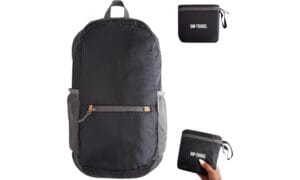
For most beginners doing day hikes, a 25-litre daypack is the sweet spot. It has enough room for all your essentials and a few layers without encouraging you to overpack. Osprey, Deuter and Gregory all make outstanding entry-level daypacks with solid back support systems.
If you are still unsure which style suits your trips best, learning about the best type of hiking bag for your needs can help you match pack size and design to your hiking distance, terrain and comfort preferences.
Common Mistakes Beginners Make (And How to Avoid Them)
Learning from other people’s mistakes is far less painful than learning from your own. Here are the ones that come up time and again:
Overpacking
This is the number one beginner mistake. There is a rule of thumb in the hiking world: if your pack is heavier than 10% of your body weight on a day hike, you are probably carrying too much. Extra weight compounds fatigue, increases injury risk and simply makes the whole experience less enjoyable. Every item you add should earn its place.
Underpacking Water
The flip side of overpacking gear is underpacking water. Dehydration sneaks up on you faster than you expect, particularly at altitude or in summer. Thirst is actually a late sign of dehydration — by the time you feel thirsty, you are already mildly dehydrated. As a rule, drink small amounts regularly throughout the hike rather than waiting until you are parched.
Wearing the Wrong Footwear
Already covered above, but worth repeating: this causes more misery for beginners than any other factor. Foot pain turns a beautiful hike into an ordeal. Invest in decent footwear before anything else.
Ignoring the Weather Forecast
New hikers often underestimate how quickly conditions change, particularly in mountain environments. Check the forecast the morning of your hike, not just the day before. In the UK, the Mountain Weather Information Service (MWIS) provides excellent area-specific forecasts for hill walking. Never set out in deteriorating conditions without a solid plan to turn back. One thing worth understanding early in the mountains, you can genuinely experience four seasons in a single day. A clear, dry morning can turn into driving rain and near-zero visibility by early afternoon. Just because you set off in sunshine does not mean you will finish in it. Always pack for the worst conditions possible on that mountain, not just the conditions you see at the trailhead.
Starting Too Ambitiously
The first hike does not need to be a mountain. Starting with well-marked, shorter trails builds confidence, gives you a chance to test your gear in a low-stakes environment and establishes the habit of hiking before the difficulty level adds pressure. Many experienced hikers recommend beginning with routes of 8 to 12 kilometres on moderate terrain before progressing to anything more demanding.
Not Telling Anyone Your Plans
This is a safety habit that should become automatic. Before every hike, tell someone where you are going, which route you are taking and when you expect to be back. Leave this information with someone who will raise the alarm if they do not hear from you. A quick text message takes ten seconds and could save your life.
What About Fun Hiking Accessories?
Once you have the essentials sorted, there is a whole world of fun hiking accessories that add enjoyment to the trail. These are firmly in Tier 3 territory but worth knowing about:
Trekking poles or walking sticks are borderline between Tier 2 and Tier 3 for most beginners. On steep descents, they significantly reduce knee strain. On flat terrain, they improve balance and give your upper body a gentle workout. Collapsible carbon fibre poles are lightweight and pack away easily.
A lightweight camera or action cam — many hikers start discovering real photography skills once they spend time in beautiful landscapes. The Sony RX100 series or even an iPhone does a remarkable job.
A pocket field guide for local flora, fauna or geology adds a completely different dimension to walking. Knowing what you are looking at transforms a hike from exercise into exploration.
A sit pad — a small, insulated foam pad that clips to your pack and gives you somewhere dry to sit on a wet rock during lunch. Weighs almost nothing, disproportionately improves the experience.
A lightweight camp mug — if you carry a small flask of hot coffee or tea, having a proper mug to drink it from is a small luxury with an outsized effect on morale.
Camping Hiking Accessories: When You Are Ready to Go Further
If day hiking eventually leads you toward overnight trips — as it does for many people — the camping hiking accessories list expands considerably. The fundamentals remain the same, but you will add a shelter, sleeping system, cooking equipment and additional food and water capacity.
For now, the most important thing to know is that you do not need to buy camping gear before you have established a day hiking habit. Rent or borrow equipment for your first overnight if possible or join an organised group hike where the heavier gear is shared. This lets you figure out what you actually want before committing to expensive purchases.
Frequently Asked Questions
Not necessarily, but they are genuinely useful on steep descents and help prevent knee strain. If you have any existing knee issues, they are worth investing in early. Many people find them unnecessary on flat trails but invaluable on anything with significant elevation change.
Salomon, Merrell and Keen consistently receive strong reviews for beginner-friendly hiking footwear. Salomon’s X Ultra range is particularly popular for its lightweight design and reliable grip. Merrell’s Moab range is a classic that has been trusted by beginners for decades.
You can put together a solid beginner kit like decent boots, a good daypack, base layer, waterproof jacket and the safety essentials. This is not cheap, but quality hiking footwear and a waterproof jacket will last years with proper care. Avoid the cheapest options on boots and waterproofs specifically; these are the two categories where quality genuinely makes a noticeable difference.
Yes, absolutely, for many day hikes and well-maintained paths, trail running shoes are excellent. They are lighter than boots, dry faster and feel more natural underfoot. They offer less ankle support, so for rocky, uneven or heavily loaded situations, boots are preferable. Many experienced hikers use trail runners for summer day hikes and switch to boots for winter or technical terrain.
For a 3-hour hike on a well-marked trail: at least 1.5 litres of water, snacks, a compact first aid kit, a waterproof layer, your phone with offline maps, a whistle and ideally a small head torch. Keep the pack light and focus on safety essentials.
Beyond footwear fit (women’s boots typically have a narrower heel and wider toe box), many hiking accessories are unisex. Clothing does differ — women’s hiking trousers and base layers are cut differently for comfort and mobility. Women’s-specific daypacks also often have shorter back lengths and torso-adjusted shoulder straps. Osprey and Deuter both offer excellent women-specific packs.
Final Thoughts
Getting started with hiking does not require a dramatic gear overhaul or a significant financial investment. The best hiking accessories for beginners are the ones that keep you safe, comfortable and confident enough to keep going back to the trail. Start simple, build gradually and let your experience tell you what you actually need.
The best piece of gear you can bring on any hike is the awareness to turn back when conditions change, the preparation to have thought through your route and the common sense to tell someone where you are going. Everything else is just detail.
*This article contains affiliate links. If you make a purchase, we may earn a small commission at no extra cost to you.