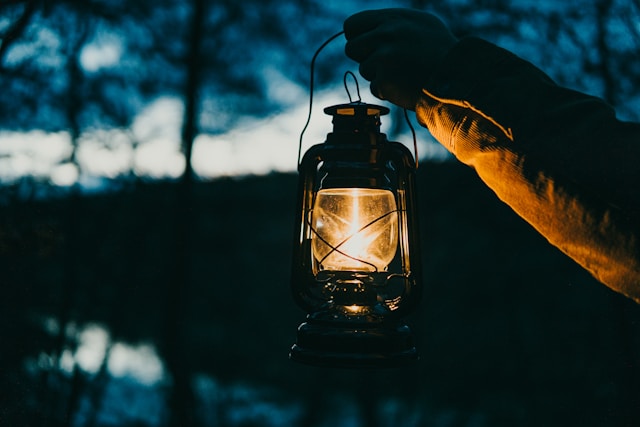
Outdoor camping lights can make or break your experience once the sun goes down. Whether you’re setting up a tent, cooking dinner or just trying to find your way back from the toilets at a festival, the right lighting keeps things safe, comfortable and stress-free. If you’ve ever struggled with dim torches, dead batteries or harsh glare, this guide will help you choose lighting that actually works when you need it most.
Let’s walk through everything you need to know so you can pick confidently and avoid common mistakes.
Types of Camping Lights and Lanterns
Not all camping lights are created equal. Each type serves a different purpose and knowing when to use each one makes a big difference.
1. Lanterns (Your main campsite light)
Camp lanterns* are designed to light up a wide area. They’re ideal for group settings like family camping or festivals.
- Best for: Cooking, socialising, lighting up tents
- Options: LED lanterns, gas lanterns, electric camping light models
- Tip: Choose LED camping lights for safer and more efficient use
2. Headlamps (Hands-free convenience)
Headlamps* are worn on your head, making them perfect when you need both hands free.
- Best for: Setting up tents, night walks, cooking
- Tip: Look for adjustable brightness and red light mode to preserve night vision
If you often find yourself moving around camp at night or handling gear in low light conditions, learning why a head torch is a must have travel light can help you understand how much easier and safer hands free lighting can make your outdoor experience.
3. Flashlights (Focused beam)
A reliable backup or personal light source*.
- Best for: Short walks, emergencies
- Tip: Keep one in your bag at all times
4. String Lights (Ambience and visibility)
These are great for adding soft lighting* around your campsite.
- Best for: Decorating tents, creating a cosy vibe
- Tip: Look for usb light camping options for easy charging
5. Camping Table Light (Task lighting)
A smaller light* focused on a specific area like a table.
- Best for: Eating, card games, prepping food
- Tip: Choose dimmable models for flexibility
Rechargeable vs Battery Powered Options
One of the biggest decisions is choosing between rechargeable camping lights and a battery camping light.
Rechargeable Camping Lights
Pros:
- Cost-effective over time
- Eco-friendly
- Often support USB charging
Cons:
- Need access to power banks or solar chargers
- Can run out if not pre-charged
Battery Camping Light
Pros:
- Easy to swap batteries instantly
- Reliable for longer trips without charging access
Cons:
- Ongoing cost of batteries
- Less eco-friendly
Quick Advice:
If you’re camping for a weekend or going to a festival, rechargeable camping lights are usually enough. For longer remote trips, bring a battery camping light as backup.
Brightness and Battery Life (What Really Matters)
Brightness is measured in lumens and choosing the right level helps you avoid lights that are too dim or unnecessarily harsh.
| Use Case | Recommended Lumens |
| Reading inside tent | 20 to 50 lumens |
| General campsite lighting | 100 to 300 lumens |
| Large area or group camping | 300 to 700+ lumens |
| Walking or hiking | 100 to 200 lumens |
Battery Life Tips:
- Always check runtime at different brightness levels
- Lower brightness settings extend battery life
- Bring a power bank for portable camping lights
Pro tip: A dimmable camping light is more useful than a super bright one stuck on a single setting.
Safety Tips for Night Lighting
Lighting isn’t just about convenience, it’s also about safety.
- Avoid open flame lanterns inside tents
- Use LED camping lights to reduce fire risk
- Keep pathways lit to prevent trips and falls
- Use red light mode at night to protect your vision
- Always carry a backup light source
If you’re camping with kids or in crowded festival areas, soft lighting is better than harsh beams that can blind others.
Best Uses for Each Type of Camping Light
Here’s a quick guide to help you match the right light to your activity:
- Camp lanterns: Central lighting for your campsite
- Headlamps: Cooking, setting up gear, walking
- Flashlights: Emergency use or quick trips
- Camping table light: Focused tasks like eating or prepping food
- String lights or portable camping lights: Atmosphere and visibility around tents
Practical Tips You’ll Be Glad You Knew
- Always test your camping light before your trip
- Pack extra charging cables or batteries
- Clip lights to tent ceilings for better light spread
- Choose waterproof or water-resistant models
- Look for foldable or compact designs for easy packing
Once your lighting setup is sorted, it is worth looking into the best camping accessories for outdoor travel so you can complete your kit with other practical gear that improves comfort, organisation and overall campsite efficiency.
FAQ: Outdoor Camping Lights
A rechargeable LED lantern is usually the easiest and most versatile option. It provides enough brightness for most activities and is simple to use.
For general use, 100 to 300 lumens is enough. If you’re lighting a larger area or camping with a group, go higher.
Yes, especially when paired with a power bank or solar charger. Many modern models last for hours on a single charge.
Absolutely. It’s a great backup option in case your rechargeable light runs out.
Yes, as long as you’re using LED or electric camping light options. Avoid anything with an open flame.
Final Thoughts
Choosing the right outdoor camping lights doesn’t have to be complicated. Focus on how you’ll use them, how long you’ll be outdoors and how much light you actually need. A mix of lanterns, headlamps and portable camping lights will cover almost every situation.
With the right setup, you’ll spend less time fumbling in the dark and more time enjoying your trip.
*This article contains affiliate links. If you make a purchase, we may earn a small commission at no extra cost to you.