Bulgaria is one of Europe’s most underrated destinations, a country where ancient Thracian tombs sit beside Black Sea beaches, medieval fortresses tower over cobblestone towns and world-class ski slopes are a fraction of the price you’d pay in the Alps. Whether you’re a history enthusiast, a beach lover or an adventure seeker, Bulgaria delivers an experience that is genuinely difficult to find elsewhere on the continent.
To help you make the most of your visit, here is a curated guide to the ten most rewarding cities in Bulgaria, complete with practical tips, local insights and everything you need to plan a seamless trip.
1. Plovdiv: Culture Capital of Europe 2019
Plovdiv holds the remarkable distinction of being one of the oldest continuously inhabited cities in Europe and walking its streets feels like moving through layers of civilisation. At the heart of the city, a beautifully preserved Roman stadium is embedded directly beneath the modern pedestrian shopping street. You can peer down through glass panels at the ancient stone as shoppers pass overhead.
Travel tip: Spend the evening in Kapana district where cobbled streets are filled with artisan cafes, craft beer bars and independent galleries. Avoid visiting during July and August as temperatures can become extremely high.
Best for: Culture seekers, architecture lovers, evening atmosphere
2. Sofia: The Capital of Bulgaria
Sofia is the dynamic heartbeat of Bulgaria, dramatically framed by the snow-capped Vitosha Mountain on its southern edge. What makes the capital genuinely fascinating is its layered history. Roman ruins sit beneath Byzantine churches, which stand just metres away from grand Soviet-era monuments and gleaming modern buildings.
Travel tip: The metro system is efficient and budget friendly. Visit the free mineral springs near Central Mineral Baths where locals collect drinking water. For safety, avoid Fakulteta and Filipovci districts.
Best for: First-time visitors, history lovers, city explorers
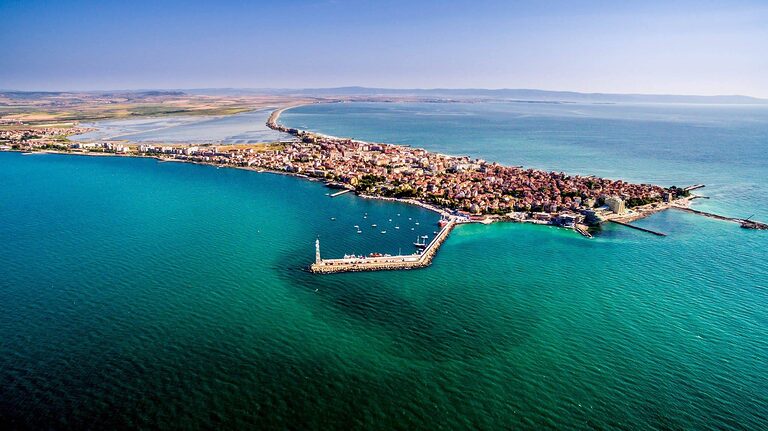
3. Pomorie: Authentic Black Sea Coastal Town
While its larger neighbours attract the package holiday crowds, Pomorie offers something rarer on the Bulgarian coast: genuine authenticity. This charming town on a narrow peninsula between the Black Sea and Lake Pomorie is renowned for three things: its extraordinary healing mud, its ancient Thracian dome tomb and its exceptional local wine, produced from vineyards that have been cultivated here since antiquity.
Travel tip: Visit the Pomorie salt lake for a traditional open-air mud bath used by locals for generations. Avoid prolonged exposure if you have heart or blood pressure conditions and consult a doctor if unsure.
Best for: Relaxation, wellness, authentic local culture
4. Veliko Tarnovo: City of Kings
If Bulgaria has one city that feels truly cinematic, it is Veliko Tarnovo. Built across steep hills that wind dramatically around the Yantra River, the former capital of the Second Bulgarian Empire is crowned by the imposing Tsarevets Fortress, a sprawling medieval stronghold that dominates the skyline and the imagination in equal measure.
Travel tip: Watch the Sound and Light show at Tsarevets Fortress. It runs mainly on special holidays and selected paid group bookings so check schedules in advance.
Best for: History enthusiasts, dramatic scenery, photography
5. Varna: Sea Capital of Bulgaria
Varna is the largest city on the Bulgarian Black Sea coast and arguably its most complete destination, a place where golden beaches, a thriving restaurant scene and world-class history coexist effortlessly. The city is home to the oldest processed gold treasure in the world, housed in the impressive Archaeological Museum and dating back over 6,000 years.
Travel tip: Walk through Sea Garden where you will find the dolphinarium and astronomical observatory. It is ideal for families and evening strolls.
Best for: Beach holidays, history, family travel
6. Nesebar: Ancient City of 40 Churches
Perched on a narrow rocky peninsula jutting into the Black Sea, Nesebar is a UNESCO World Heritage Site unlike any other. Its compact old town is an extraordinary concentration of Byzantine-era church ruins, traditional wooden revival houses and winding cobblestone lanes, all within a short walk of one another.
Travel tip: Visit early morning to avoid crowds. It becomes especially lively in the evening due to nearby Sunny Beach.
Best for: Day trips, history, romantic atmosphere
7. Bansko: Mountain Escape All Year Round
Bansko has built a well-deserved reputation as one of Europe’s most affordable ski resorts, offering a genuinely premium winter sports experience at a fraction of what you would pay in the Alps or the Dolomites. Situated at the foot of the Pirin Mountains, a UNESCO-listed national park, the resort features well-maintained slopes suitable for everyone from complete beginners to advanced skiers.
Travel tip: Arrive early at the gondola station during ski season. In August, the town hosts the Bansko International Jazz Festival.
Best for: Skiing, hiking, jazz lovers, year-round adventure
8. Burgas: Lakes and Coastal Culture
Burgas is a relaxed, highly walkable coastal city with a character quite distinct from the resort towns nearby. The city centre is defined by two broad pedestrian streets, Aleksandrovska and Bogoridi, both lined with excellent cafés, local restaurants and independent boutiques, leading directly into the expansive, tree-lined Sea Garden.
Travel tip: Cycle through Sea Garden to the salt pans with naturally pink water. Take a boat trip to St Anastasia Island for history and sea views.
Best for: City breaks, cycling, festivals, families
9. Ruse: Little Vienna on the Danube
Ruse is Bulgaria’s most elegant surprise, a city of grand Neo-Baroque and Neo-Rococo facades that earned it the affectionate nickname Little Vienna. Situated on the banks of the Danube River, Ruse was historically Bulgaria’s most prosperous trading city and its architecture reflects that wealthy past in remarkable detail.
Travel tip: Walk through Freedom Square then continue to the riverbank for panoramic cross border views.
Best for: Architecture, history, off-the-beaten-path travel
10. Kazanlak: Valley of Roses and Thracian Kings
Kazanlak sits in the geographical heart of Bulgaria, at the centre of two of the country’s most extraordinary landscapes. To the north lies the Valley of the Thracian Kings, a broad plain dotted with hundreds of ancient burial mounds containing some of the most significant archaeological discoveries in Europe. Among them are the UNESCO-listed Thracian Tomb of Kazanlak and the remarkable Tomb of Golyama Kosmatka, burial place of a Thracian king.
Travel tip: Visit in late May or early June during the Rose Festival to witness traditional rose picking and cultural celebrations.
Best for: History, culture, seasonal festivals, archaeology
Sample Travel Scenario: 10 Day Bulgaria Itinerary
If you are planning your first trip, a balanced route could look like this:
Start in Sofia for history and city life before heading to Plovdiv for culture and nightlife. Travel east to Veliko Tarnovo for fortress views then continue to Varna for a coastal break. From there, explore Nesebar and Burgas for beaches and island trips.
Finish your journey in Bansko for mountain air and relaxation or Kazanlak if travelling during rose season. This route gives a full experience of Bulgaria’s cities, coast and mountains without rushing.
Additional Travel Tips for Bulgaria
- Transport is affordable with trains, buses and domestic transfers widely available.
- Cash is still useful in smaller towns although cards are accepted in cities.
- English is spoken in most tourist areas but learning basic Bulgarian phrases helps.
- Summer can be very hot in inland cities so plan accordingly.
- Winter is ideal for skiing in Bansko and mountain regions.
FAQ: Bulgaria Travel Guide
Is Bulgaria worth visiting?
Yes, it offers a mix of history, beaches, mountains and low travel costs compared to Western Europe.
What is the best time to visit Bulgaria?
May to June and September to October are ideal for city travel. December to March is best for skiing.
Is Bulgaria safe for tourists?
Yes, it is generally safe. Like any destination, avoid poorly lit areas at night and stay aware in crowded places.
How many days do you need in Bulgaria?
Seven to ten days is ideal for covering major cities and coastal areas.
What food should I try in Bulgaria?
Try shopska salad, banitsa, grilled meats and local yoghurt dishes.
Bulgaria offers a rare blend of history, nature and authentic culture that continues to surprise travellers who venture beyond the usual European routes. From ancient cities like Plovdiv and Veliko Tarnovo to coastal escapes such as Varna and Pomorie and mountain retreats like Bansko, each destination adds depth to the journey. With its affordability, diverse landscapes and rich traditions, it is a country that rewards those who travel thoughtfully and explore at a slower pace, making it an ideal choice for anyone seeking a more meaningful and memorable European experience.