Introduction
Snoods are versatile fabric tubes worn around the neck or head to provide warmth, protection and comfort during travel. They are popular with travellers who need a compact and adaptable accessory for changing climates and conditions. For more guidance on preparing for sudden temperature changes, see tips when disembarking in a much colder climate.
Quick answers
What is a snood?
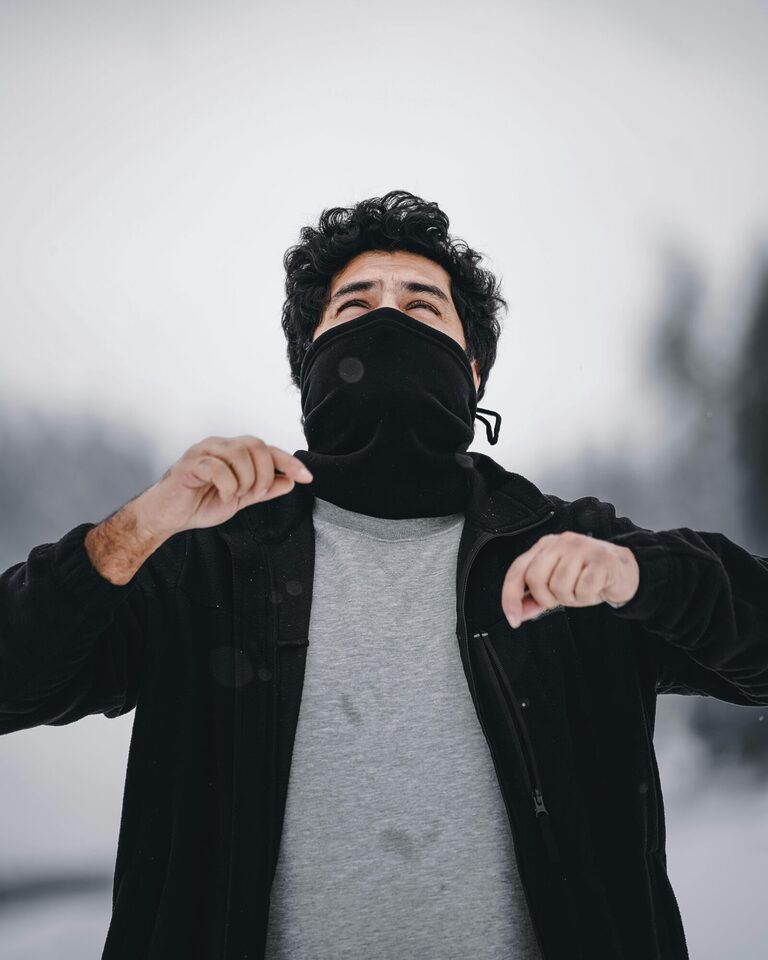
A snood is a circular piece of fabric worn around the neck, face or head for warmth and protection.
Do snoods work?
Yes, snoods help retain heat, shield against wind and can be adjusted for different uses.
When should you use a snood?
Use a snood in cold weather, windy environments or during outdoor travel activities. For additional face and cold weather protection options, see balaclavas for winter.
What is a snood?
A snood is a continuous loop of fabric designed to be worn in multiple ways, including as a neck warmer, face covering or head covering. Unlike scarves, snoods do not have loose ends, making them easier to wear and manage during travel.
Why travellers use snoods?
- Provide warmth in cold climates
- Protect against wind, dust and sun
- Easy to pack due to compact size
- Multi functional for different wearing styles
- Comfortable for long journeys
- No loose ends to adjust or secure
Types of snoods
Lightweight snoods*
Designed for mild weather and breathability.
- Thin fabric construction
- Moisture wicking properties
- Suitable for layering
Thermal snoods*
Built for colder conditions and insulation.
- Fleece or insulated lining
- Retains body heat effectively
- Soft inner texture for comfort
Multi use snoods*
Adaptable for various travel scenarios.
- Stretchable fabric
- Can be worn as headband, mask or scarf
- Often seamless for comfort
Comparison table
| Type | Security or function | Visibility or convenience | Best use |
| Lightweight snoods | Breathable coverage | Easy to carry and layer | Warm climates or active travel |
| Thermal snoods | High insulation | Bulkier but very warm | Cold weather destinations |
| Multi use snoods | Flexible wear styles | Highly versatile | Mixed climates and activities |
Typical specifications
| Specification | Typical range |
| Length or size | 45 to 70 cm circumference |
| Width | 20 to 30 cm |
| Material | Polyester, fleece, merino wool |
| Closure mechanism | Continuous loop, no fastenings |
| Weight | 30 to 120 grams |
Materials used
Polyester
A common synthetic fabric used in travel accessories.
- Lightweight and quick drying
- Durable and resistant to wear
- Often moisture wicking
Merino wool
A natural fibre known for comfort and insulation.
- Temperature regulating
- Soft and non itchy
- Odour resistant
How to choose a snood?
- Consider the climate of your destination
- Choose breathable materials for active use
- Look for stretch and flexibility for multiple wearing styles
- Check fabric thickness for warmth level
- Ensure it is easy to pack and lightweight
- Consider ease of washing and drying while travelling
Popular brands
Buff
Sealskinz
The North Face
Columbia
Patagonia
Helly Hansen
Smartwool
Icebreaker
Berghaus
Rab
Regatta
Frequently asked questions
Yes, they provide effective warmth and protection depending on the material and thickness.
They are not essential but are highly practical for comfort and protection during travel.
They are useful in cold, windy or dusty conditions and during outdoor activities.
Example travel solution
Some travellers choose thermal snoods designed to provide warmth in cold environments and suitable for winter travel and outdoor excursions.
Summary
Snoods are practical and adaptable travel accessories that offer warmth, protection and convenience. Their compact design and multiple uses make them a useful addition to packing lists for a wide range of destinations.
If you want to explore a range of snoods, I have included a link to Amazon* to help you find a few great options.
*This article contains affiliate links. If you make a purchase, we may earn a small commission at no extra cost to you.