In extreme cold weather conditions like the heart of an Arctic winter, where temperatures can hit -40°C, the “normal” way of urinating becomes a high-risk activity. For men, the primary dangers are genital frostbite and mid-stream freezing. Both can occur in less than thirty seconds when facing a polar wind. Mastering a field-tested system is essential for any traveller heading into the extreme cold of places.
For a complete perspective on this topic, you may also want to read women’s essential guide to extreme cold toilet breaks, which covers similar challenges and solutions from a different practical viewpoint.
Best & safest ways to urinate in extreme cold
1. Use a pee bottle (strongly recommended)
This is what polar travellers, winter mountaineers and Arctic guides actually do.
How it works:
- Carry a dedicated wide-mouth bottle
- Step out of wind if possible.
- Open only what’s necessary.
- Urinate directly into the bottle.
- Close it immediately and store it upright (many people keep it in an outside pocket after, because it will freeze).
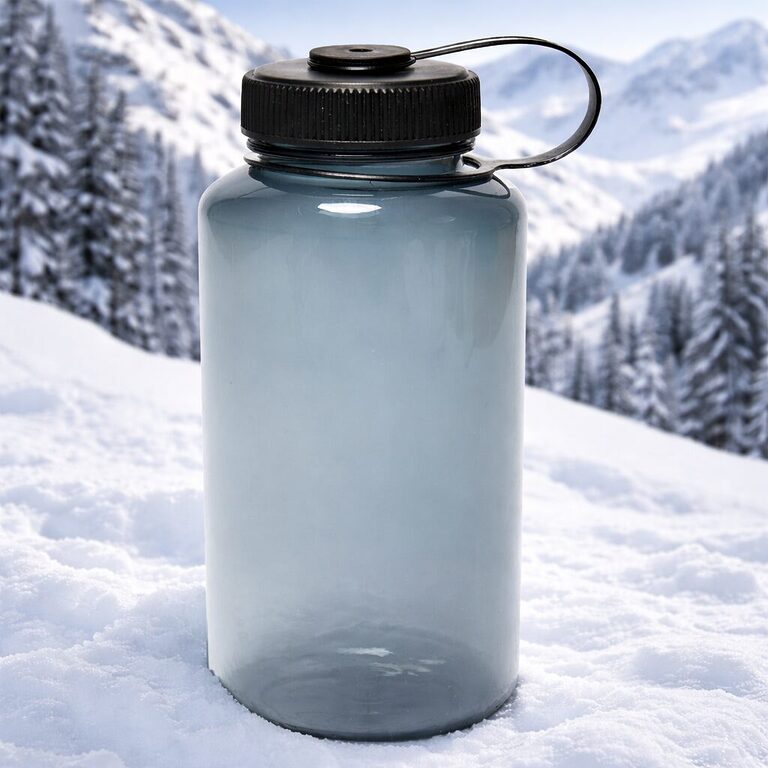
What bottle:
- Wide opening (very important)
- Clearly marked (never confused with drinking bottles)
- Example: Nalgene wide-mouth, or purpose-made “pee bottles”.
Why this is best:
- Minimal skin exposure
- Fast
- Can be done in a tent or behind a sled
- Much lower frostbite risk
At –40°C, exposed skin can freeze in seconds.
2. Layering technique (if not using a bottle)
If you must pee directly onto the ground:
- Turn your back to the wind and or use a natural feature that blocks the wind
- Open only the minimum clothing gap.
- Pull nothing down fully.
- Be fast, then immediately cover up.
- Have mittens loosened in advance (don’t remove them fully if possible).
This is the highest frostbite risk method at –40°C and not ideal.
This approach becomes much easier when you are dressed correctly, so it is worth reviewing smart layering for cold weather to understand how to manage clothing quickly and efficiently in freezing conditions.
Critical cold-weather details people don’t think about
🔹 Urine can freeze mid-stream
Which can cause splashback → severe discomfort or freezing to fabric/skin. Bottles/funnels reduce this risk.
🔹 Frostbite risk to genitals is real
At –40°C with wind, exposed skin can freeze in 10–30 seconds.
🔹 Dehydration is common in the cold
People avoid peeing and stop drinking. That increases hypothermia risk. Pee systems make you more likely to stay hydrated.
If you are camping
- Keep your pee bottle inside the tent vestibule or sleeping bag.
- Use a glow-in-the-dark or taped bottle so you never confuse it.
- Never use your cooking pot (yes, people do).
What I would strongly suggest you bring
- 1 wide-mouth pee bottle
- A small microfiber cloth
- Hand sanitiser
- Spare base layer
Bottom line
At –40°C, the normal wilderness approach to peeing becomes dangerous. A pee bottle + minimal exposure is what Arctic adventurers actually rely on.
Even if you are not venturing out into the extreme cold, the lessons learnt from peeing in extreme conditions are an invaluable lesson.
If you’re looking for pee bottles, I’ve added a handy Amazon link* to help you find a few great options.
*This article contains affiliate link. If you make a purchase, we may earn a small commission at no extra cost to you.