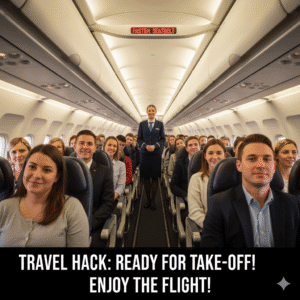
Going barefoot on a plane may feel comfortable, especially on long haul flights, but it is not a safe habit. Many travellers remove their shoes to relax. However, aircraft cabins are not as clean as they appear.
Aeroplane floors collect dirt throughout the day. Passengers walk through airports, toilets and outdoor areas before boarding. Spills from drinks and food often end up on the floor. Cabin crew clean between flights, but they cannot deep clean every surface each time. When you walk barefoot, your skin touches germs, moisture and debris directly.
For a practical travel tip, see our guide “Why You Should Always Pack a Pair of Slippers When Travelling“, which explains how lightweight slippers can keep your feet clean and comfortable during flights.
Hygiene is only part of the concern. Safety is the main reason to avoid going barefoot on a plane. During an emergency, you may need to move quickly. Sharp objects can scatter across the cabin. Broken glass, torn metal or loose luggage can injure unprotected feet. Even a small cut can slow you down.
Aviation data shows that most accidents happen during take off and landing. These stages are critical because the aircraft is close to the ground. Many incidents are survivable. Quick evacuation often makes the difference. Wearing sturdy shoes helps you move fast and protects your feet from harm.
You should also consider unexpected turbulence. Sudden movement can cause hot drinks or sharp items to fall. If you stand up without shoes, you increase your risk of slipping or stepping on something dangerous.
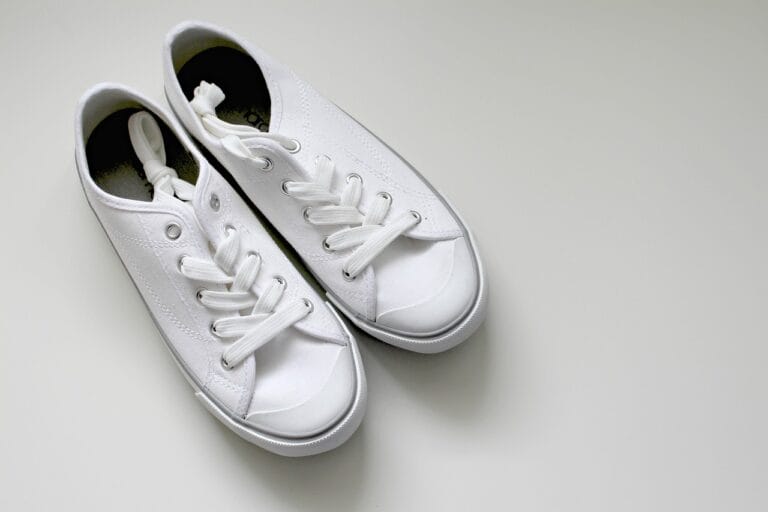
Comfort still matters on long journeys. Instead of going barefoot on a plane, wear breathable socks* or pack lightweight travel slippers*. Keep your proper shoes under the seat in front of you. Put them back on 15 minutes before landing. This simple habit keeps you prepared without sacrificing comfort.
For advice on dealing with common in-flight shoe issues, check our article “The Shoe-Removal Dilemma and Strong Odours“, which covers etiquette and hygiene considerations for passengers.
Choosing not to go barefoot on a plane protects your health and improves your safety. It is a small decision that can make a big difference when it matters most. Travel safe!
*This article contains affiliate links. If you make a purchase, we may earn a small commission at no extra cost to you.