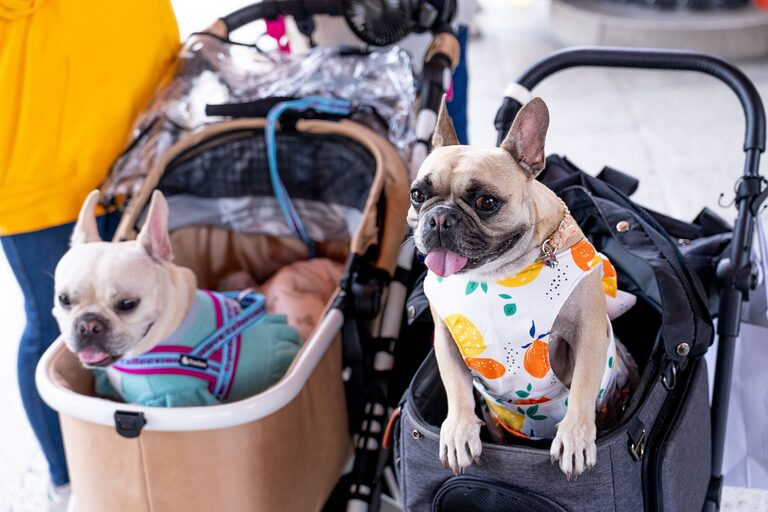
Finding the best travel carriers for small dogs can feel overwhelming when dozens of options online all claim to be airline-approved, comfortable and durable. Whether you’re planning your dog’s first flight, heading off on a road trip or exploring a new city by train, choosing the right carrier can make the difference between a relaxed adventure and a stressful journey. A well-designed carrier keeps your dog secure, comfortable and calm while giving you peace of mind throughout the trip. This guide covers carrier types, sizing, safety features and practical travel tips to help you choose the perfect carrier and travel confidently with your four-legged companion.
Overview: Quick Answer
If you are short on time, here is what matters most when choosing a travel carrier for a small dog:
- Soft-sided carriers are usually best for air travel since they compress slightly to fit under the seat
- Pet and carrier combined often need to weigh less than around 8 to 10 kilograms, though this varies by airline
- A typical accepted carrier size is close to 18 x 11 x 11 inches, but always confirm with your airline first
- Your dog should be able to stand up, turn around and lie down comfortably inside
- Mesh panels on two or three sides keep airflow steady and reduce anxiety
- Hard-sided crates suit car travel or checked cargo, not in-cabin flights
- Practice sessions at home, starting weeks before travel, help the carrier feel familiar
- Choose a carrier with storage pockets for travel documents, treats and waste bags
- Book your dog’s cabin space as soon as you book your own ticket, as pet spots are often limited
Different Types of Dog Travel Carriers
Soft-sided carriers are made from fabric with a supportive frame. They are lightweight, fold flat for storage and sit comfortably on your shoulder during long airport walks. Many lightweight pet travel bags also expand slightly at the sides once you are seated, giving your dog more room to stretch out.
Hard-sided carriers are built from tough plastic and offer more structural protection. These suit car journeys or double as a pet travel bed at home, though they are bulkier and rarely fit under an aircraft seat.
Backpack carriers let you carry your dog hands-free, making them useful for airports, hiking trips, busy train stations and crowded city streets. Look for a sturdy base and good ventilation so your dog does not overheat.
Sling and front carriers suit very small or elderly dogs who need to stay close to your body, though they are not designed for long journeys.
Foldable pet travel crates work well if you need a carrier for both the journey and your destination, since many fold flat for the return trip and double as a resting spot once you arrive.
Travel Hack: If you travel frequently, look for carriers with luggage sleeve straps that slide over a suitcase handle. This makes navigating airports much easier.
Airline Approved Carrier Requirements
The phrase “airline approved” is often used loosely by manufacturers. It does not mean a single official certification exists across every airline. Instead, it usually means the carrier is designed to meet common size and safety requirements used by many airlines.
A few points to keep in mind:
- The carrier must fit completely under the seat, since this space differs between aircraft types
- Combined weight of your dog and carrier is often capped around 8 to 10 kilograms, though some airlines allow more
- Ventilation openings should cover a decent portion of the carrier and ideally be located on multiple sides
- Zips should have locking mechanisms to prevent accidental openings during travel
- A leak-proof, washable base keeps things hygienic during longer journeys
- Some airlines require your dog to remain fully inside the carrier throughout the entire flight, including taxiing, take-off and landing
Rules vary between airlines and can change without notice, so always check the latest policy before booking.
Best Soft-Sided Versus Hard-Sided Carriers
| Feature | Soft-Sided Carrier | Hard-Sided Carrier |
| Best for | Air travel, cabin trips | Car travel, cargo hold |
| Weight | Lightweight, easy to carry | Heavier, bulkier to store |
| Storage | Folds flat when not in use | Does not fold |
| Comfort | Flexes and gives slightly | Rigid, more protective |
| Ventilation | Mesh panels on multiple sides | Vent holes, fixed shape |
| Under-seat fit | Usually compresses to fit | Rarely fits under a seat |
| Durability | Moderate, wears over time | Very durable, chew resistant |
For most small dog owners flying with their pet, a soft-sided pet travel carrier for car and cabin use covers both scenarios well, since it can slide under the seat on a flight and still sit securely on the back seat during a road trip. Hard-sided crates suit dogs that need extra protection or owners who mostly travel by car.
Features That Improve Pet Comfort
A carrier that ticks the size box is not automatically comfortable. Look for these extras that genuinely help:
- A padded, washable base that cushions joints on longer trips
- Mesh windows on two or three sides for steady airflow and visibility
- A top opening as well as a side entrance, making it easier to load a nervous dog
- An interior safety clip that attaches to your dog’s harness
- Removable, machine-washable liners for quick clean-up after accidents
- A padded shoulder strap, since a plain strap can become uncomfortable during long walks
- Expandable side panels that create additional resting space during layovers or train journeys
- Water-resistant outer fabric to protect against rain and spills
Travel Safety Tips for Small Dogs
- Introduce the carrier at home several weeks before departure so it feels familiar rather than stressful
- Line the base with an absorbent pad in case of accidents during a long flight or drive
- Freeze a small water dish or provide ice cubes to minimise spills during travel
- Avoid feeding a full meal right before departure to reduce the risk of motion sickness
- Attach an ID tag and keep copies of vaccination records easily accessible
- Keep the carrier zipped at all times in busy transit areas
- Choose direct flights whenever possible to reduce overall travel time
- Take photos of your dog and carrier before departure in case you become separated during travel
- Add an Apple AirTag or GPS pet tracker to the carrier for additional peace of mind
How to Choose the Right Carrier Size?
Measuring your dog properly avoids the single biggest mistake pet owners make when buying a carrier. Follow these steps:
- Measure your dog’s length from the tip of the nose to the base of the tail, then add around 2 inches
- Measure the height from the floor to the top of the head or ears while standing, then add around 2 inches
- Measure the width across the shoulders at the widest point and add a couple of inches for comfortable movement
- Compare these numbers against the internal dimensions of the carrier, not just the outer measurements listed on the product page
Your dog needs enough room to stand up fully, turn around comfortably and lie down naturally. A carrier that is too small can cause stress and discomfort, while one that is too large may slide around during travel and make your dog feel insecure.
Cleaning and Maintenance Advice
- Wash removable liners after every trip using a gentle, pet-safe detergent
- Wipe mesh panels with a damp cloth to remove dust and pet hair
- Air-dry the carrier completely before storing it to prevent mildew
- Check zips, clips and seams regularly for signs of wear
- Store the carrier in a dry place away from direct sunlight
- Keep a spare absorbent liner on hand so the carrier is always ready for last-minute trips
Common Buying Mistakes to Avoid
- Buying based on price alone rather than checking airline size requirements first
- Assuming “airline approved” guarantees acceptance when every airline has its own rules
- Choosing a carrier that is too small to maximise cabin space
- Skipping carrier training before travel day
- Prioritising appearance over ventilation and comfort
- Forgetting to check whether the carrier doubles as a travel crate or resting space at your destination
- Buying a carrier without checking its empty weight, which can significantly reduce your pet’s allowed weight allowance on some airlines
Frequently Asked Questions
Most airlines accept carriers close to 18 x 11 x 11 inches, although exact dimensions vary. Always check your airline’s current requirements before travelling.
Yes, many airline-approved carriers are suitable for both cats and small dogs, provided your pet can stand, turn around and lie down comfortably.
Soft-sided carriers are generally preferred because they compress slightly to fit under airline seats while still providing adequate comfort and ventilation.
Ideally, begin carrier training at least two to four weeks before departure. Gradual exposure helps reduce anxiety on travel day.
An absorbent pad, a familiar blanket, a favourite chew toy and a small supply of treats can all help keep your dog comfortable and relaxed.
On most airlines, no. Dogs travelling in the cabin must remain inside their carrier and under the seat in front of you for the duration of the flight.
The best travel carrier for a small dog is one that balances safety, comfort and practicality for the type of journeys you take most often. Whether you are flying overseas, taking a weekend road trip or hopping between cities by rail, investing in a high-quality carrier can make travelling smoother for both you and your dog. Start carrier training early, check transport requirements carefully and focus on your dog’s comfort and you’ll be well prepared for many adventures together.